


A pterygium is a fleshy, wedge-shaped growth that develops on the surface of the eye, typically starting on the white (sclera) and extending towards the cornea. It’s common in Australia, particularly in sunny areas like Sydney’s Eastern Suburbs, due to our high levels of UV exposure. While a pterygium isn’t cancerous, it can cause persistent irritation, redness, and blurred vision if it grows large enough to distort the cornea. When drops and conservative measures no longer control symptoms, what is pterygium eye surgery and how does it actually work become pressing questions.
Pterygium surgery removes the growth and restores a smoother, more comfortable eye surface. Modern techniques, especially those that use a conjunctival autograft, have significantly reduced the risk of recurrence compared to older methods, making the procedure more predictable and reliable than it once was.
At Bright Sight Eye Specialists in Randwick, our ophthalmologists perform pterygium removal using current, evidence-based surgical techniques. This article covers the full picture: what the procedure involves, why it may be recommended, what recovery looks like, and the risks you should know about before making a decision.
What pterygium eye surgery is and when you need it
Pterygium eye surgery is a procedure that surgically removes the abnormal fibrovascular tissue growing on your eye’s surface. The goal is not cosmetic, though many patients do notice an improvement in appearance after the operation. The primary aim is to relieve symptoms and protect your vision before the growth encroaches on your central cornea and causes permanent damage. Understanding what is pterygium eye surgery means recognising it as both a functional and preventive procedure, not an optional cosmetic fix.
A pterygium left untreated can permanently distort your cornea, and that damage may not fully reverse even after the growth is removed.
Signs that conservative treatment is no longer enough
Not every pterygium requires surgery. In the early stages, your ophthalmologist may recommend lubricating eye drops, UV-protective sunglasses, and regular monitoring to manage mild irritation and slow progression. These measures work well while the growth remains small and stable. However, if drops provide only short-term relief and your symptoms keep returning, the tissue has likely grown past the point where non-surgical management is sufficient.
Redness and a gritty or burning sensation that doesn’t settle with treatment are common triggers for a surgical referral. Persistent inflammation that disrupts your daily activities, or a pterygium visibly encroaching toward your pupil, signals that conservative measures have reached their limit. At that point, continuing to delay surgery increases the complexity of the eventual procedure and may reduce the quality of your visual outcome.
When surgeons recommend removal
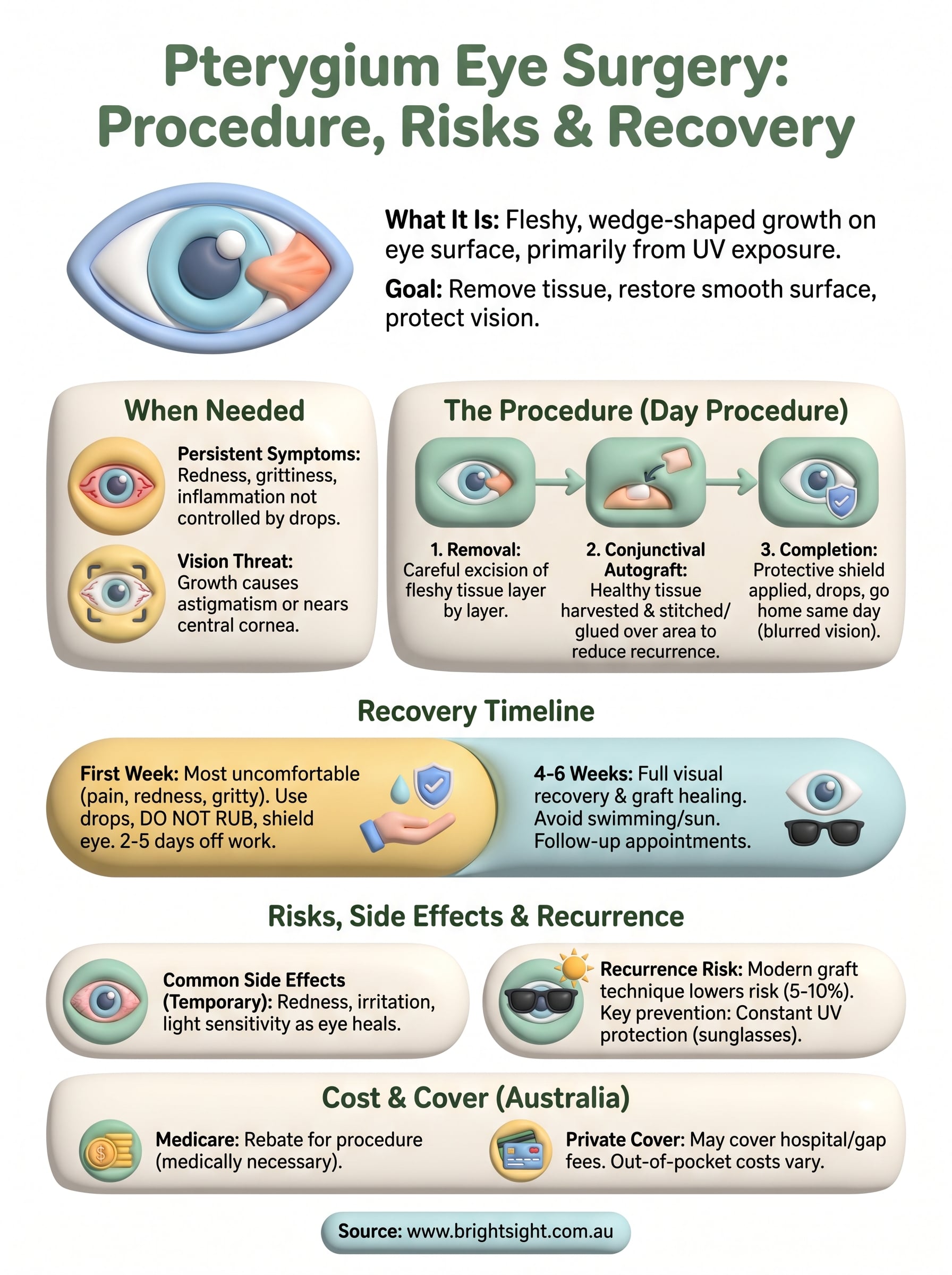
Your ophthalmologist will recommend surgery when the pterygium meets specific clinical criteria. The clearest indication is induced astigmatism, which occurs when the growth pulls on the cornea and distorts its shape, causing blurred or double vision that glasses cannot reliably correct. Another strong reason for surgery is a pterygium that has grown to within two to three millimetres of the corneal centre, where further growth would directly threaten your central sight.
Some patients also choose surgery because the condition affects their work or daily activities. If you spend significant time outdoors, work in a visually demanding role, or find the appearance of the growth distressing, these are valid reasons to discuss removal with your specialist. Timing matters too: operating on a moderately sized, stable pterygium typically produces better outcomes and a lower recurrence rate than waiting until the growth is very advanced, so earlier intervention often leads to a smoother recovery overall.
How the procedure works step by step
Pterygium surgery is performed as a day procedure under local anaesthetic, meaning you go home the same day. Your surgeon numbs the eye with drops or a small injection around the eye, and you stay awake and comfortable throughout. The operation typically takes between 30 and 45 minutes per eye.
Removing the pterygium and repairing the surface
Your surgeon begins by carefully excising the fleshy pterygium tissue from the cornea and sclera, peeling the growth away layer by layer. Leaving any abnormal tissue behind increases the chance of the pterygium returning, so precision at this stage is essential.
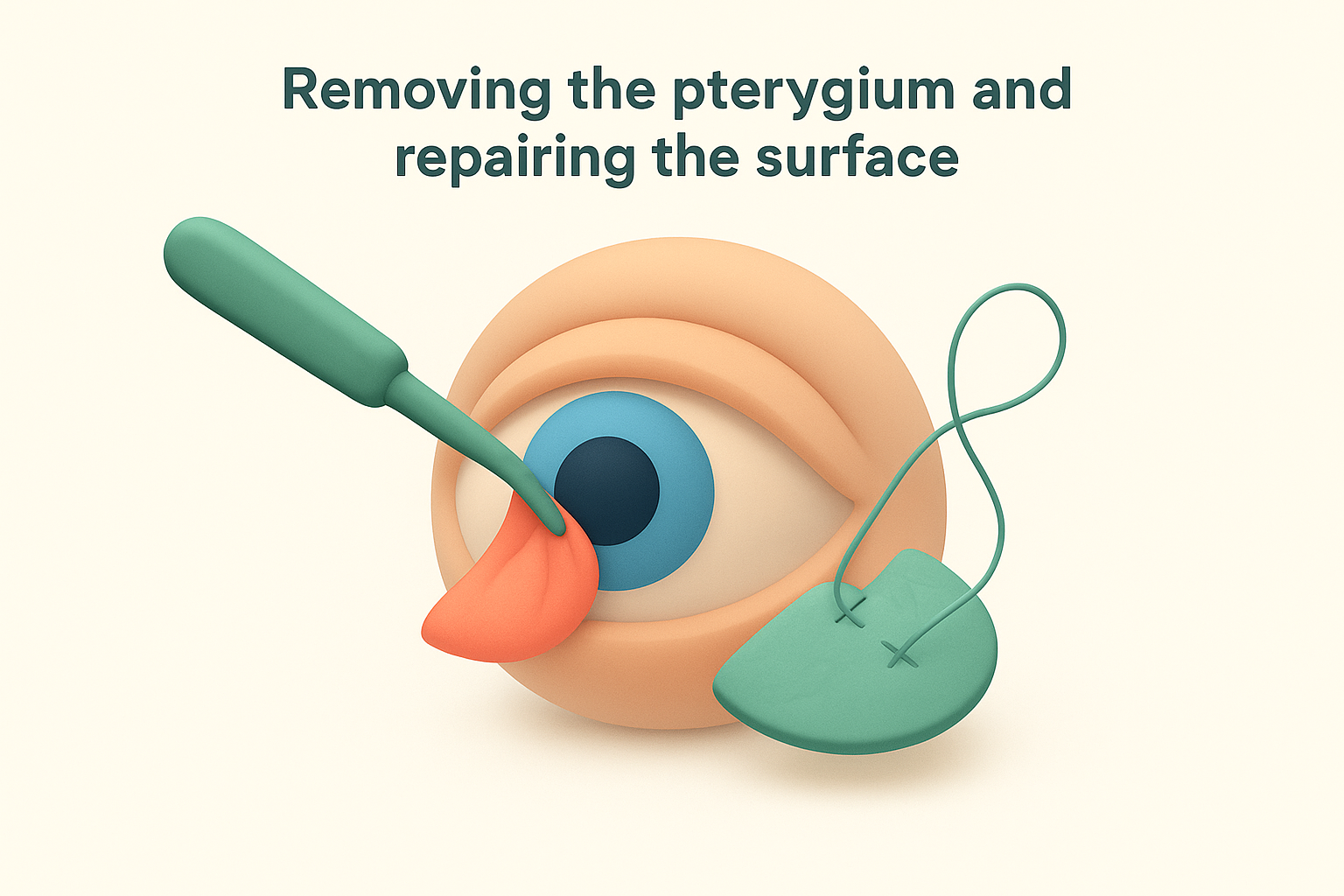
Once the removal is complete, a bare area of sclera remains on the eye’s surface. The current standard method for closing this site is a conjunctival autograft, where your surgeon harvests a small piece of healthy conjunctival tissue from under your upper eyelid and stitches or glues it over the exposed area. This approach reduces recurrence rates to well below 10 per cent, compared to much higher rates with older bare sclera techniques.
Conjunctival autograft surgery consistently outperforms older methods, making it the preferred approach for what is pterygium eye surgery today.
Completing the procedure and going home
After the graft is secured with tissue glue or fine sutures, your surgeon applies antibiotic and anti-inflammatory drops to protect the eye and control post-operative inflammation. A clear shield or pad is then placed over the eye before you leave the operating room.
You will need someone to drive you home, as your vision will be temporarily blurred from the anaesthetic. Most patients leave the clinic within an hour of the operation finishing and can rest at home the same afternoon.
Recovery timeline and aftercare
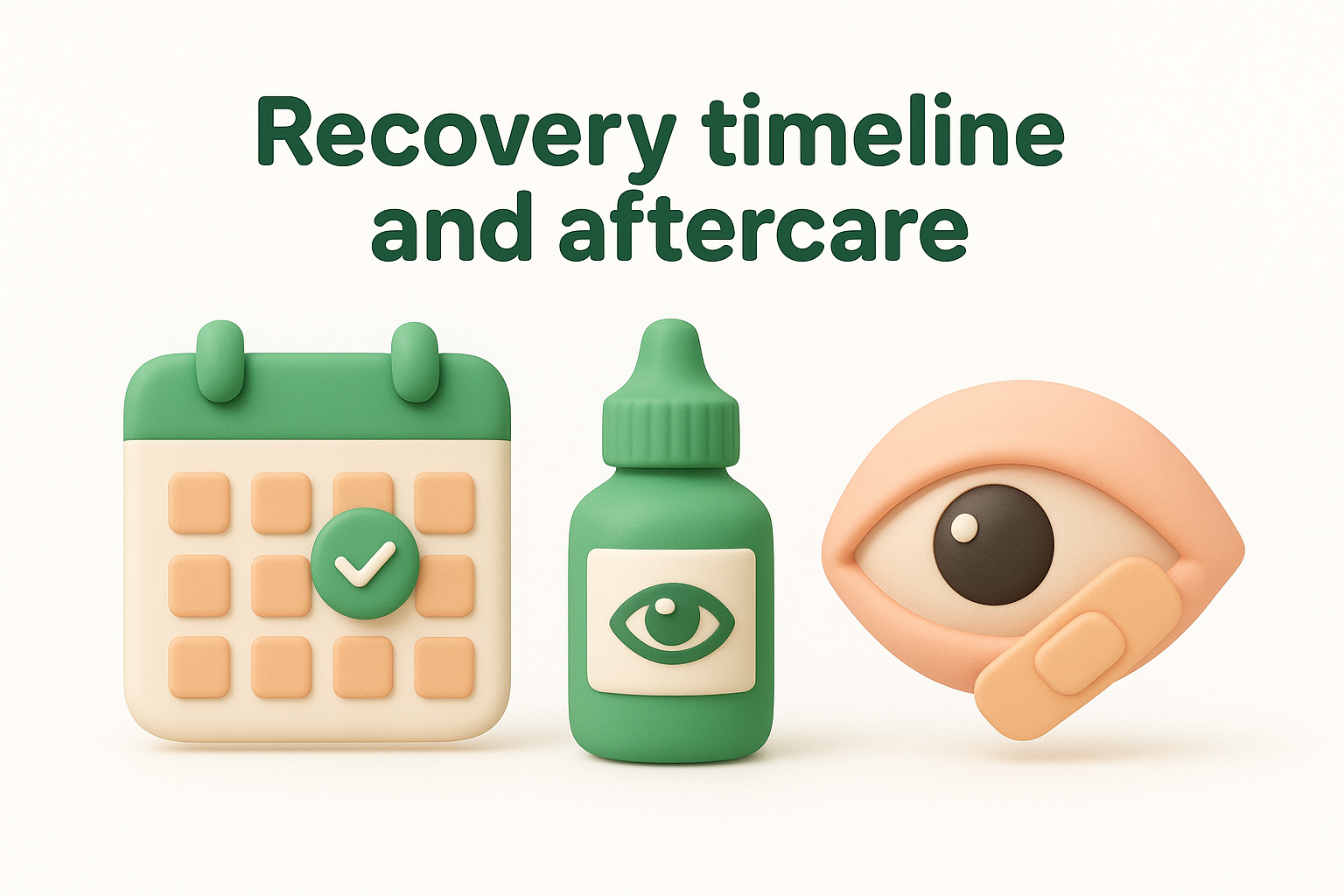
Recovery from pterygium surgery is manageable for most people, but it does require patience and consistent aftercare. The eye needs several weeks to heal fully, and following your surgeon’s instructions closely during this period directly affects your final outcome.
The first week after surgery
The first few days are typically the most uncomfortable. Pain, redness, and a gritty feeling in the eye are normal in the immediate post-operative period, and your ophthalmologist will prescribe antibiotic and anti-inflammatory eye drops to manage these symptoms and prevent infection. You should use the drops exactly as directed and avoid rubbing the eye under any circumstances, as this can dislodge the graft before it has had time to bond securely.
Rubbing your eye in the first week is one of the most common causes of graft displacement, so wearing the protective shield your surgeon provides is worth taking seriously.
Most people take two to five days off work, though this depends on your job. Office-based tasks are usually possible within a few days, while physically demanding or outdoor work may require a longer break before you return.
Longer-term healing and returning to normal
Full visual recovery and complete healing of the conjunctival graft generally takes between four and six weeks. During this time, you will attend follow-up appointments so your ophthalmologist can check the graft is integrating well and adjust your drop regimen as inflammation settles.
Your surgeon will advise you to avoid swimming, contact sports, and prolonged sun exposure until the eye has healed. UV protection remains important long after recovery, as ongoing sun exposure is the main reason pterygiums develop in the first place. Wearing quality wraparound sunglasses outdoors is one of the most effective steps you can take to protect your eyes after what is pterygium eye surgery.
Risks, side effects and recurrence
Like any surgical procedure, pterygium removal carries risks you should weigh up before committing to the operation. Understanding what is pterygium eye surgery means being clear-eyed about the potential complications, not just the benefits. Most side effects are mild and temporary, but knowing what to expect helps you recognise anything unusual early and contact your surgeon promptly.
Common side effects after surgery
Redness, irritation, and light sensitivity are the most frequently reported side effects in the weeks following surgery. Your eye may also produce excess discharge or feel gritty as the graft settles in. These reactions are part of the normal healing response and typically settle with consistent use of your prescribed anti-inflammatory drops.
Less commonly, some patients develop a granuloma, which is a small inflammatory lump at the graft site, or experience delayed healing of the conjunctiva. Both are manageable with the right treatment. If you notice sudden pain, significant vision changes, or discharge that worsens rather than improves, contact your ophthalmologist straight away rather than waiting for your next scheduled review.
Recurrence and how to reduce the risk
Recurrence is the most significant long-term concern after pterygium surgery. With bare sclera excision, older studies showed recurrence rates as high as 80 per cent in some populations. Modern conjunctival autograft techniques have brought that figure down to approximately 5 to 10 per cent, a substantial improvement that reflects how far surgical practice has advanced.
Your behaviour after surgery influences your recurrence risk just as much as the surgical technique itself.
UV exposure and spending extended time outdoors without eye protection remain the strongest drivers of regrowth. Wearing high-quality wraparound sunglasses and a wide-brimmed hat outdoors, starting from your first day out of the house after surgery, gives you the best chance of a permanent result.
Cost and Medicare or private cover in Australia
Understanding the cost of what is pterygium eye surgery helps you plan ahead without surprises. Surgery costs in Australia vary depending on whether you hold private health insurance, whether you’re treated in a public or private facility, and the complexity of your case. Getting a clear breakdown from your specialist before you commit is always the right approach.
What Medicare covers
Medicare covers a portion of pterygium surgery costs through the Medicare Benefits Schedule (MBS), as pterygium removal is classified as a medically necessary procedure rather than a cosmetic one. Your surgeon submits a claim against the relevant MBS item number, and Medicare reimburses a set percentage of the scheduled fee. Anaesthetist and hospital facility fees are billed separately, and Medicare also contributes a rebate toward those costs.
Checking the MBS item number with your surgeon before the procedure gives you a reliable estimate of what Medicare will cover versus what you will pay directly.
Private health insurance benefits
If you hold hospital cover with extras, your insurer may cover the gap between Medicare’s rebate and the total cost, particularly for the hospital and anaesthetist fees. The extent of that cover depends on your level of policy. Contacting your insurer directly to confirm your entitlements before booking surgery is worth doing early, as waiting periods and exclusions vary between policies.
Out-of-pocket costs to expect
Some patients face an out-of-pocket gap, which is the difference between what Medicare and your insurer pay and the total fee charged. At Bright Sight Eye Specialists, transparent pricing and no-gap options are available for eligible insured patients, so ask your surgeon’s team for a personalised cost estimate at your initial consultation.
Next steps if you think you need surgery
If your pterygium is causing persistent discomfort, blurred vision, or regular inflammation, the next step is a consultation with an ophthalmologist who can assess the growth and give you a clear recommendation. Trying to self-manage a symptomatic pterygium with over-the-counter drops for too long risks allowing the tissue to advance further toward your central cornea, where it becomes harder to treat and more likely to affect your vision permanently.
Your ophthalmologist will measure the size and position of the growth, check for induced astigmatism, and discuss whether what is pterygium eye surgery is appropriate for your situation. Knowing your options early gives you time to ask questions, understand the costs, and plan your recovery around your work and lifestyle. At Bright Sight Eye Specialists, both of our surgeons bring extensive experience in pterygium removal and a straightforward approach to patient care. Book a consultation with our team to get a clear picture of your next steps.