


You glance in the mirror and notice a visible blood vessel in eye tissue, a red, spidery line or a bright red patch that wasn’t there yesterday. It’s natural to feel concerned. Is this something serious, or will it simply fade on its own?
Most of the time, a visible blood vessel in the eye is harmless and resolves without treatment. However, certain signs warrant prompt professional attention, particularly if you experience pain, vision changes, or recurring episodes.
At Bright Sight Eye Specialists, Dr Rahul Dubey and our team help patients across Sydney’s Eastern Suburbs understand their eye health and access expert care when needed. This article explains what causes visible blood vessels in the eye, how to care for the condition at home, and when you should book an appointment with a specialist.
Why you might see a blood vessel in your eye
Your eyes contain a complex network of tiny blood vessels that supply oxygen and nutrients to the tissues. The white part of your eye, called the sclera, sits beneath a thin, transparent membrane known as the conjunctiva. This delicate layer houses numerous small vessels, which normally remain invisible or barely noticeable. When one of these vessels breaks or becomes inflamed, it creates the visible red appearance that catches your attention in the mirror.
The delicate network beneath the surface
The conjunctiva contains fragile capillaries that can rupture easily, even from minor strain or pressure. Blood then pools beneath the transparent membrane, creating a visible blood vessel in eye tissue that may appear as a single red line or a larger red patch. Because the conjunctiva is so thin, even a small amount of blood becomes immediately visible against the white sclera. This condition, called subconjunctival haemorrhage, often occurs without any pain or warning.

Most subconjunctival haemorrhages develop spontaneously and heal completely within two weeks without treatment.
When tiny vessels break or dilate
Several everyday actions can trigger blood vessel rupture or dilation in your eyes. Straining during bowel movements, heavy lifting, violent coughing, or intense sneezing creates sudden pressure changes that may burst a small vessel. Eye rubbing, especially when done vigorously, can also damage these delicate structures. In other cases, your blood vessels may simply dilate due to irritation from dust, smoke, chlorine, or dry air, making them appear more prominent without actually breaking. Underlying factors such as high blood pressure, blood thinning medications, or clotting disorders can increase your susceptibility to these episodes, though many people experience them without any identifiable cause.
Common causes and what they look like
Different conditions create distinct visual patterns when blood vessels become visible in your eye. Recognising these patterns helps you understand what’s happening and whether you need professional care. The appearance can range from a single bright red patch to diffuse redness across the entire white of your eye.
Subconjunctival haemorrhage (bright red patch)
This condition produces a vivid red or dark red area on the white part of your eye, similar to a bruise beneath the transparent conjunctiva. The blood remains trapped under the membrane, creating a well-defined patch that may spread across part or all of the sclera. You’ll notice the redness doesn’t fade when you blink or rinse your eye, and the area feels completely normal to touch. Subconjunctival haemorrhage typically causes no pain, no discharge, and no vision changes.
The bright red appearance often looks alarming but usually indicates a minor vessel rupture that will heal naturally within one to two weeks.
Inflamed or irritated vessels (pink or red appearance)
When blood vessels dilate from irritation rather than rupture, your eye develops a pink or red appearance with visible threadlike vessels across the surface. Allergies, dust, smoke, or dry air trigger this response, causing the vessels to expand and become more prominent. Unlike subconjunctival haemorrhage, this type of visible blood vessel in eye tissue often comes with itching, burning, or a gritty sensation. Your eyes may also produce excess tears or develop a slight discharge.
When to worry and seek urgent care
Most instances of a visible blood vessel in eye tissue clear up naturally without intervention. However, certain warning signs indicate a more serious condition that requires immediate professional evaluation. Knowing which symptoms demand urgent attention helps you protect your vision and address potentially serious issues before they worsen.
Signs that require immediate attention
Seek emergency care if you experience sudden vision loss, severe eye pain, or double vision alongside the visible blood vessel. These symptoms may indicate conditions such as acute glaucoma, retinal detachment, or trauma that needs immediate treatment. You should also seek urgent help if the redness follows a direct injury to your eye, particularly from a sharp object or forceful impact. Blood in the anterior chamber (the space between your cornea and iris), known as hyphaema, requires immediate specialist assessment to prevent permanent damage.
Any combination of visible blood vessel with pain and vision changes warrants same-day assessment by an eye specialist.
Situations that warrant a same-day appointment
Contact an eye specialist within 24 hours if your eye develops discharge with the redness, particularly if it’s thick, yellow, or green, as this suggests infection. Recurring episodes of subconjunctival haemorrhage deserve investigation, especially if you haven’t identified an obvious trigger. If you take blood thinning medications or have a bleeding disorder, visible blood vessels may indicate that your clotting function requires monitoring. Light sensitivity, persistent discomfort, or symptoms lasting beyond two weeks also merit professional evaluation to rule out underlying conditions.
How to care for a red eye at home
When you notice a visible blood vessel in eye tissue that doesn’t come with pain or vision changes, you can typically manage the condition at home whilst it heals naturally. Most cases of subconjunctival haemorrhage resolve within one to two weeks without medical intervention. Your primary goal is to support the healing process and avoid actions that might worsen the redness or delay recovery.
Simple measures that support healing
Apply a cool compress to your closed eyelid for 10 to 15 minutes several times daily to reduce inflammation and soothe any discomfort. Use artificial tears or lubricating eye drops to combat dryness and irritation, which can make blood vessels more visible. These over-the-counter drops help keep your eye moist and comfortable without interfering with the natural healing process. Ensure you get adequate sleep, as this allows your body to repair damaged tissues more efficiently.
Cool compresses and artificial tears provide gentle relief without disrupting your eye’s natural healing mechanisms.
What to avoid during recovery
Stop rubbing your eyes, as this friction can damage healing blood vessels and prolong recovery. Avoid heavy lifting, straining, or intense physical activity for a few days, particularly if these actions triggered the initial vessel rupture. If you wear contact lenses, switch to glasses temporarily to reduce irritation and allow your eye to heal without obstruction. Monitor your blood pressure if you have hypertension, as elevated readings can increase the risk of recurring episodes.
What an eye specialist will check
When you visit an eye specialist for a visible blood vessel in eye tissue, the doctor performs a thorough examination to determine the cause and rule out serious conditions. Dr Dubey begins by discussing your symptoms, medical history, and any medications you take, as these details help identify potential triggers. The examination focuses on assessing the health of your blood vessels, checking for signs of underlying disease, and ensuring your vision remains unaffected.
Initial assessment and examination
Your specialist examines the affected eye using a slit lamp, a specialised microscope that provides a detailed view of the conjunctiva, sclera, and blood vessels. This equipment allows precise assessment of the extent of bleeding, vessel damage, and any inflammation in the surrounding tissue. The doctor checks your pupil reactions, eye movements, and intraocular pressure to ensure no complications have developed.
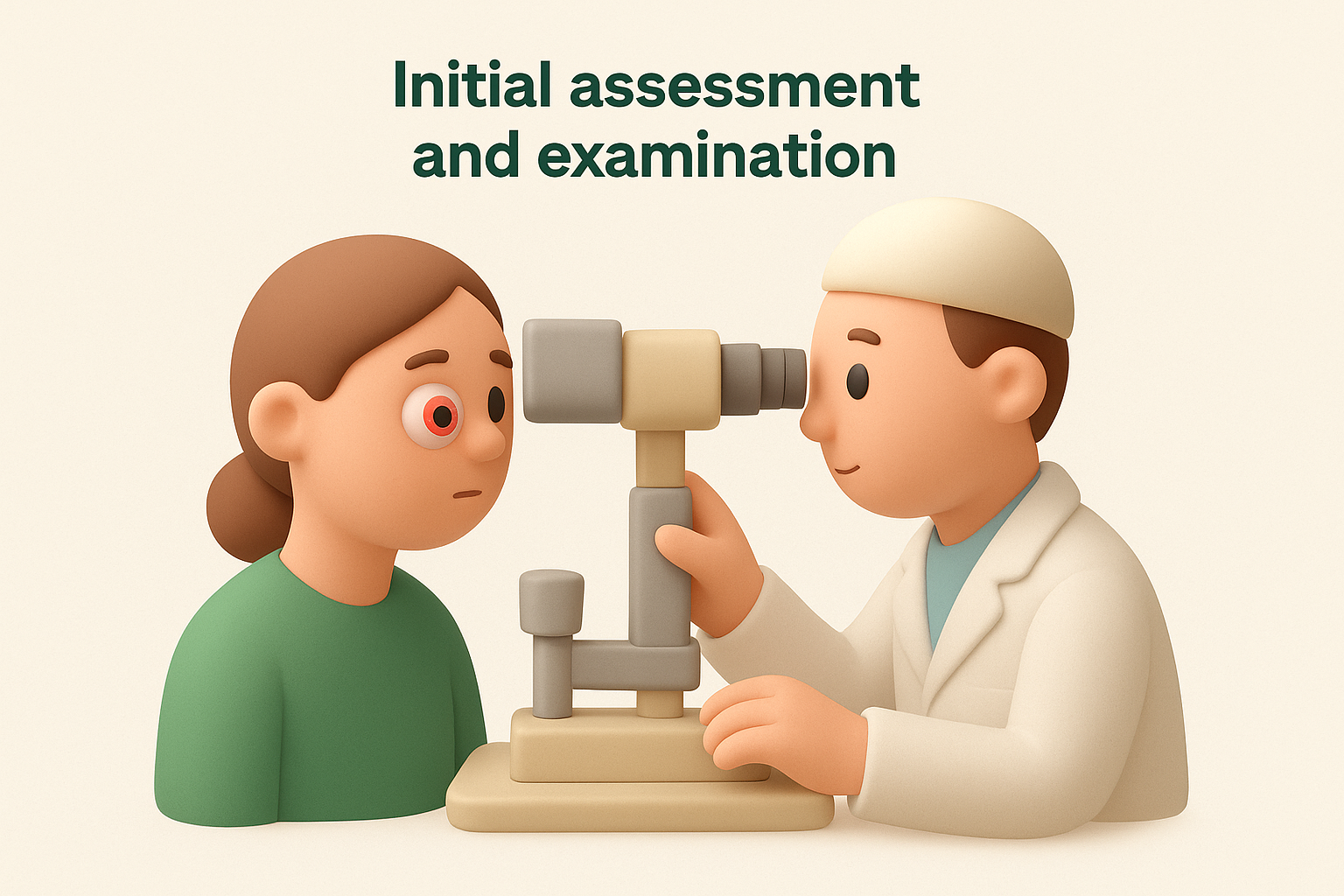
A comprehensive eye examination identifies not just the immediate cause but any underlying conditions that might increase your risk of recurrence.
Tests to identify underlying causes
If your history suggests recurring episodes or risk factors, your specialist may recommend additional tests. Blood pressure measurement helps identify hypertension, which can weaken blood vessels and increase rupture risk. Your doctor may also request blood tests to assess your clotting function, particularly if you take anticoagulants or have a personal or family history of bleeding disorders. These investigations ensure you receive appropriate management for any underlying conditions that contribute to visible blood vessels in your eyes.

If you’re unsure, get checked
A visible blood vessel in eye tissue often resolves naturally within two weeks, requiring no treatment beyond simple home care measures. However, uncertainty about your symptoms deserves professional attention, particularly when you experience discomfort, vision changes, or recurring episodes that disrupt your daily life.
Trust your instincts if something feels wrong. Your eyes are irreplaceable, and early assessment prevents potential complications from developing into serious conditions. Many eye problems progress without obvious warning signs, making timely evaluation crucial for protecting your long-term vision and eye health.
Dr Rahul Dubey and our team at Bright Sight Eye Specialists provide comprehensive eye examinations and specialist care across Sydney’s Eastern Suburbs. We offer transparent pricing and no-gap options for many procedures, along with personalised treatment plans tailored to your specific needs. Whether you need reassurance about a red patch or treatment for an underlying condition, book a consultation at Bright Sight Eye Specialists to safeguard your vision and receive the expert guidance you can trust.