


Waking up to discover a bright red patch spreading across the white of your eye can be understandably alarming. This striking condition, called subconjunctival hemorrhage of the eye, occurs when a tiny blood vessel breaks beneath the conjunctiva, the clear membrane covering the eye’s surface. Despite its dramatic appearance, most cases are completely harmless and heal on their own.
At Bright Sight Eye Specialists in Randwick, Dr Rahul Dubey frequently reassures patients who arrive worried about this common occurrence. While a broken blood vessel rarely signals a serious problem, understanding the underlying causes and knowing when professional evaluation is warranted can provide valuable peace of mind.
This article covers the main causes of subconjunctival haemorrhage, typical symptoms you might notice, expected healing timeframes, and clear guidance on when you should consult an eye specialist for further assessment.
Why it happens and why it often looks worse than it is
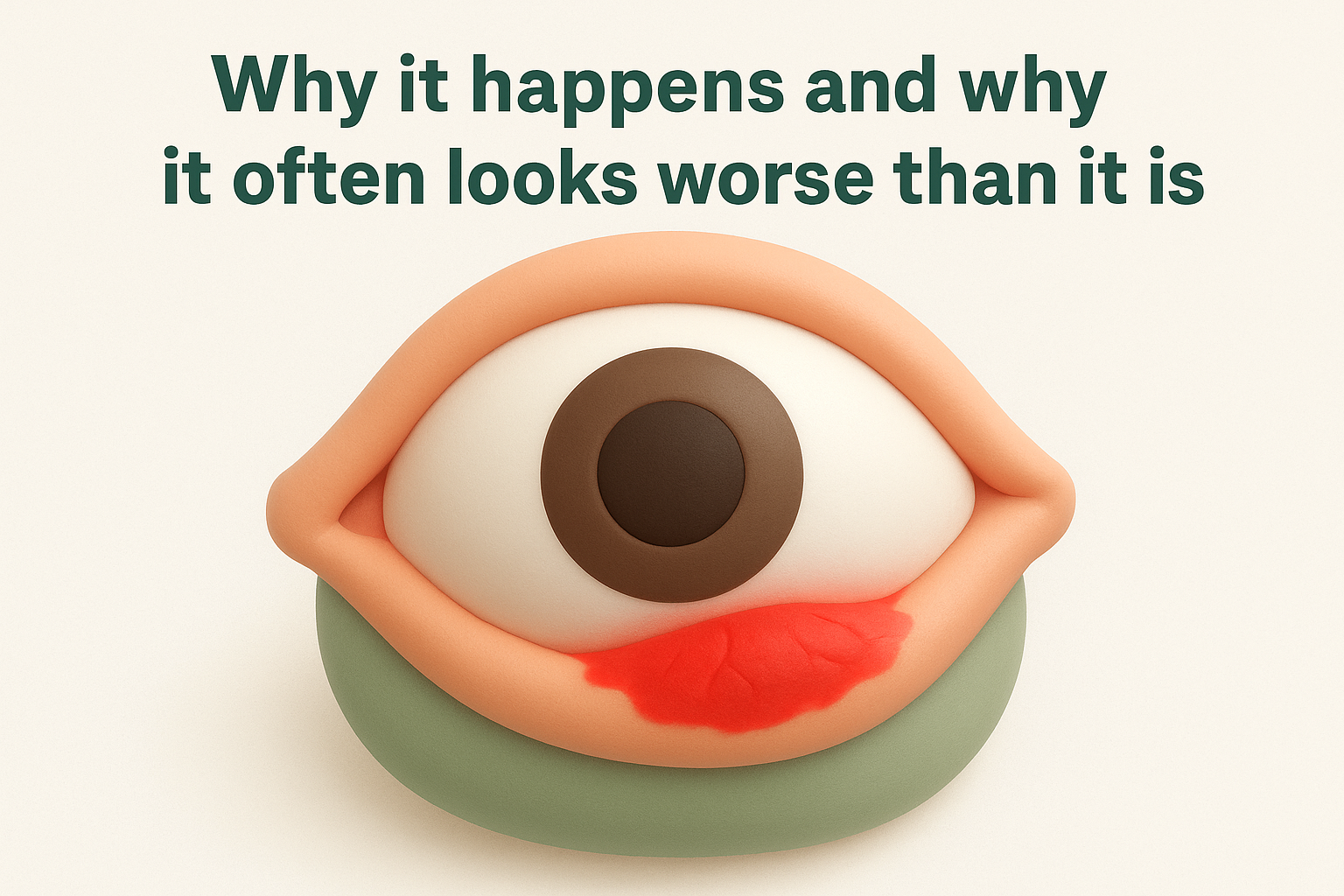
The conjunctiva contains numerous tiny, fragile blood vessels that sit very close to the surface of your eye. When one of these vessels breaks, blood spreads beneath the transparent conjunctiva, creating that characteristic bright red patch. The blood remains trapped between this clear membrane and the underlying white sclera, making it highly visible.
Common triggers that break delicate blood vessels
You might develop a subconjunctival hemorrhage of the eye from seemingly minor everyday actions that temporarily spike your blood pressure. Forceful sneezing, vigorous coughing, heavy lifting, or straining during bowel movements can all cause enough pressure to rupture a vessel. Even rubbing your eyes too vigorously when tired or irritated may trigger bleeding.
Certain underlying factors make you more susceptible to these broken vessels. Taking blood-thinning medications like aspirin or warfarin increases your risk, as does having uncontrolled high blood pressure. Some people experience recurrent episodes without any obvious trigger, which may warrant investigation into blood clotting disorders or vascular fragility.
Minor physical exertion that you barely notice can create enough pressure to break a vessel, yet cause no lasting damage to your vision or eye health.
Why the appearance is so dramatic
The stark contrast between the bright red blood and white sclera naturally draws attention and causes concern. However, the blood is confined to a superficial layer and doesn’t penetrate deeper structures that affect your vision. Your cornea, lens, and retina remain completely unaffected by the bleeding.
The thin conjunctiva acts like a transparent window, magnifying the visual impact of even a small amount of blood. Just a few drops can spread across a large area, creating what appears to be significant bleeding. This explains why subconjunctival haemorrhages often look far more serious than they actually are.
Symptoms and how to tell it from other red eye causes
Subconjunctival haemorrhage typically presents with very few symptoms beyond its striking visual appearance. You’ll notice the bright red patch on your eye’s white surface, but you probably won’t experience any other discomfort or changes to your vision. This lack of accompanying symptoms distinguishes it from most other eye conditions.
What you’ll notice with a subconjunctival hemorrhage
The bleeding creates no pain, itching, or discharge, and your vision remains completely unaffected. You might experience a slightly scratchy sensation or mild fullness in the affected eye, though many people report no discomfort whatsoever. The red patch doesn’t spread to your cornea (the clear front part of your eye), and you’ll have no light sensitivity or tearing.
If you notice a bright red patch but can see perfectly and feel minimal discomfort, you’re likely experiencing a straightforward subconjunctival hemorrhage of the eye rather than a more serious condition.
Signs that point to a different condition
Pain, blurred vision, or light sensitivity indicate something other than a simple broken blood vessel. Conditions like conjunctivitis cause discharge, intense itching, and often affect both eyes. Uveitis creates deep eye pain and significant vision changes. Acute glaucoma produces severe pain with headache and nausea.
If you notice pus, thick discharge, or your entire eye appears uniformly red rather than showing a distinct blood patch, these symptoms suggest infection or inflammation requiring different treatment.
How to care for it at home and what to avoid
Subconjunctival hemorrhage of the eye requires minimal active treatment because your body naturally reabsorbs the trapped blood over time. The best approach involves protecting your eye while allowing the natural healing process to proceed without interference. You can take several straightforward steps to support recovery and prevent complications.
Simple steps that support natural healing
Applying cold compresses during the first 24 hours can help minimise any mild discomfort and potentially reduce further bleeding. Place a clean, cool compress over your closed eyelid for 10 to 15 minutes several times throughout the first day. After this initial period, switch to warm compresses, which may help your body reabsorb the blood slightly faster.
Artificial tears provide relief if you experience that scratchy sensation some people notice. Using preservative-free lubricating drops three to four times daily keeps your eye comfortable without introducing potentially irritating chemicals. These drops require no prescription and are widely available at chemists.
Your body naturally clears the blood without any active intervention, making this one of the few eye conditions that truly heals itself.
Actions that can delay recovery or cause harm
Avoid rubbing your affected eye, as this can trigger additional bleeding or introduce bacteria that lead to infection. Don’t take aspirin or anti-inflammatory medications unless your doctor has prescribed them for another condition, as these thin your blood and may prolong bleeding.
Skip wearing contact lenses until the redness completely resolves.
Healing time and what the colour changes mean
Most subconjunctival hemorrhages heal completely within one to three weeks, though larger bleeds may take up to four weeks to fully clear. Your healing timeframe depends primarily on the size of the affected area and your body’s natural ability to reabsorb blood. During this period, you’ll notice the blood changes colour gradually as it breaks down, mirroring the appearance of a healing bruise on your skin.
Typical timeline for complete resolution
Small hemorrhages covering less than one-quarter of your eye’s white surface typically fade within seven to ten days, whilst larger patches require two to three weeks. You won’t notice much change during the first few days, then the blood begins to lighten and spread slightly as your body starts breaking it down. The edges of the red patch usually clear first, gradually working inward until only a faint yellowish tinge remains.
Understanding the colour progression
Fresh blood initially appears bright red, then shifts to darker red or burgundy after several days. As the blood cells break down and your body reabsorbs them, the colour transitions through orange, yellow, and finally a pale greenish-yellow before disappearing completely. These colour changes signal normal healing rather than worsening of the condition.
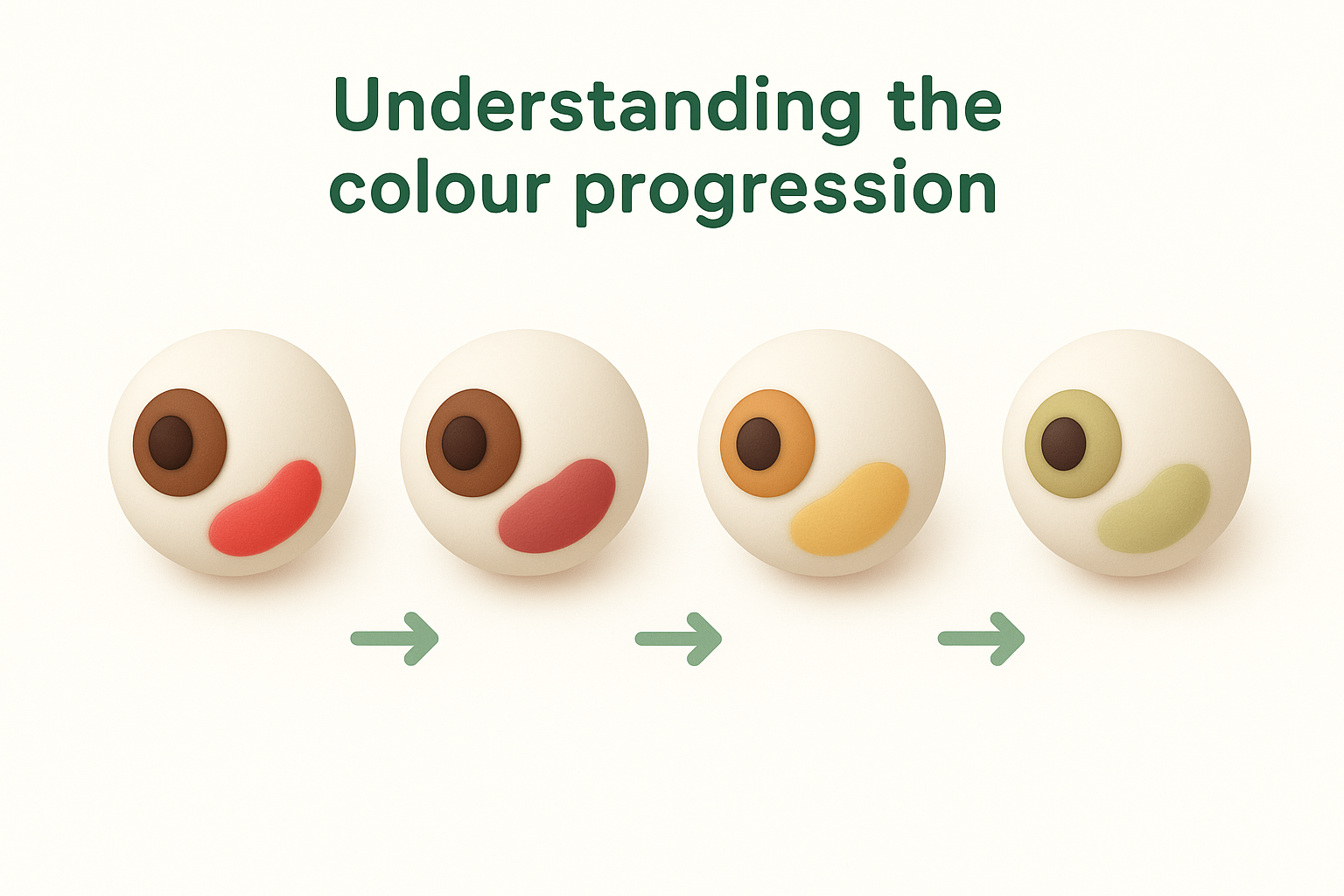
The colour progression mirrors what happens when you bruise your skin, with each stage representing your body’s systematic cleanup of trapped blood.
When to seek urgent eye care and what checks to expect
Most cases of subconjunctival hemorrhage resolve naturally without medical intervention, but certain warning signs warrant prompt professional evaluation. Understanding when to seek care helps you distinguish between benign bleeding and potentially serious conditions that share similar visual characteristics.
Red flags that require immediate attention
Contact an eye specialist immediately if you experience pain, vision changes, or light sensitivity alongside the red patch. These symptoms suggest more serious conditions like corneal abrasion, uveitis, or acute glaucoma rather than simple subconjunctival hemorrhage of the eye. If you’ve suffered eye trauma, notice blood inside your eye rather than just on the surface, or develop the hemorrhage after starting new blood-thinning medication, schedule an urgent assessment.
Multiple recurrent episodes without obvious cause also merit investigation, as they may indicate underlying blood clotting disorders or uncontrolled high blood pressure requiring treatment.
When vision remains clear and you feel no pain, the hemorrhage rarely signals anything serious, but changes to either factor demand immediate professional evaluation.
What happens during your assessment
Your eye specialist will check your blood pressure and review any medications you’re taking that affect clotting. They’ll examine your eye with a slit lamp microscope to rule out deeper bleeding or hidden injuries. If you experience frequent recurrences, they may order blood tests to assess your clotting function and ensure no underlying systemic conditions contribute to vessel fragility.

Key takeaways
Subconjunctival hemorrhage of the eye creates a dramatic red appearance but typically poses no threat to your vision or overall eye health. The bleeding resolves naturally within one to three weeks as your body reabsorbs the trapped blood, with no active treatment required beyond artificial tears for occasional comfort during the healing period.
You can manage most cases safely at home by avoiding eye rubbing and using cool compresses during the first 24 hours. However, any pain, vision changes, or light sensitivity accompanying the red patch demands immediate professional evaluation to rule out more serious underlying conditions that require specific treatment approaches.
Recurrent episodes warrant thorough investigation into underlying causes like blood clotting disorders or uncontrolled high blood pressure. If you experience frequent hemorrhages or have concerns about sudden eye redness, Bright Sight Eye Specialists in Randwick provides comprehensive assessment and expert guidance for patients throughout Sydney’s Eastern Suburbs. Dr Rahul Dubey and his team offer thorough examinations to identify any contributing factors and ensure your eyes remain healthy.