


Waking up to a bright red patch on the white of your eye can be alarming. This condition, known as subconjunctival bleeding eye (or subconjunctival haemorrhage), looks dramatic but is usually harmless. A small blood vessel beneath the clear surface of your eye has simply broken, causing blood to pool in a visible area.
While most cases resolve on their own within one to two weeks, certain situations warrant professional attention. Understanding when a red eye is a minor inconvenience versus a sign of something more serious can save you unnecessary worry, or help you get timely care when you need it.
At Bright Sight Eye Specialists, Dr Rahul Dubey and the team regularly assess patients concerned about sudden eye changes. This article explains what causes subconjunctival haemorrhage, how to recognise the symptoms, and when you should seek expert evaluation for your eye health.
Why a subconjunctival bleed happens
Your eye’s conjunctiva contains many tiny blood vessels that sit just beneath its clear surface. These vessels are delicate and can rupture easily, causing blood to spread between the conjunctiva and the white part of your eye (the sclera). The result is a visible subconjunctival bleeding eye that appears suddenly and without warning.
Physical strain and minor trauma
Everyday actions can trigger a blood vessel to break. Forceful sneezing, coughing, or vomiting creates a sudden spike in pressure that overwhelms the delicate vessels in your eye. Similarly, heavy lifting or straining during bowel movements can produce the same effect.
Even minor rubbing or accidentally poking your eye can cause enough trauma to rupture a vessel, though you may not remember the exact moment it happened.
Injuries from contact sports, accidental knocks, or foreign objects also rank among common physical causes. You might notice the red patch hours after the incident, once the blood has had time to pool visibly.
Medical conditions that weaken blood vessels
Certain health issues make your blood vessels more fragile and prone to bleeding. Uncontrolled high blood pressure places ongoing stress on delicate eye vessels, while diabetes affects blood vessel integrity throughout your body, including your eyes.
Blood-thinning medications such as aspirin, warfarin, or newer anticoagulants increase bleeding risk by preventing your blood from clotting normally. If you take these medications and experience frequent subconjunctival haemorrhages, your doctor may need to review your dosage or underlying conditions.
Spontaneous bleeding without clear triggers
Many subconjunctival bleeds occur without any identifiable cause. You simply wake up one morning and notice the bright red patch on your eye. These spontaneous episodes are common, particularly as you age and your blood vessels naturally become more fragile. While unsettling, they typically resolve without intervention and rarely indicate serious underlying problems.
What it looks like and common symptoms
The most striking feature of a subconjunctival bleeding eye is the sudden appearance of a bright red or dark crimson patch on the white part of your eye. This blood sits beneath the conjunctiva’s transparent layer, making it clearly visible but unable to be wiped away. The red area may start small and expand over the first day or two as blood spreads across the surface.

Visual characteristics
Your subconjunctival haemorrhage typically appears as a well-defined red area with sharp borders, though it can cover a small corner or spread across most of the white surface. The blood may look uniform in colour or have darker and lighter zones depending on where it pools. Unlike other eye conditions, the cornea (the clear front part covering your pupil) remains completely unaffected, and your vision stays normal.
The bright red appearance often looks worse than it feels, causing more alarm to others who see it than discomfort to you.
What you typically feel (or don’t feel)
Most people experience no pain whatsoever with a subconjunctival haemorrhage. You might notice a mild scratchy sensation or slight fullness in your eye, similar to having a grain of sand present. Your vision remains clear and unaffected. Some people only discover the condition when looking in a mirror or when someone else points it out.
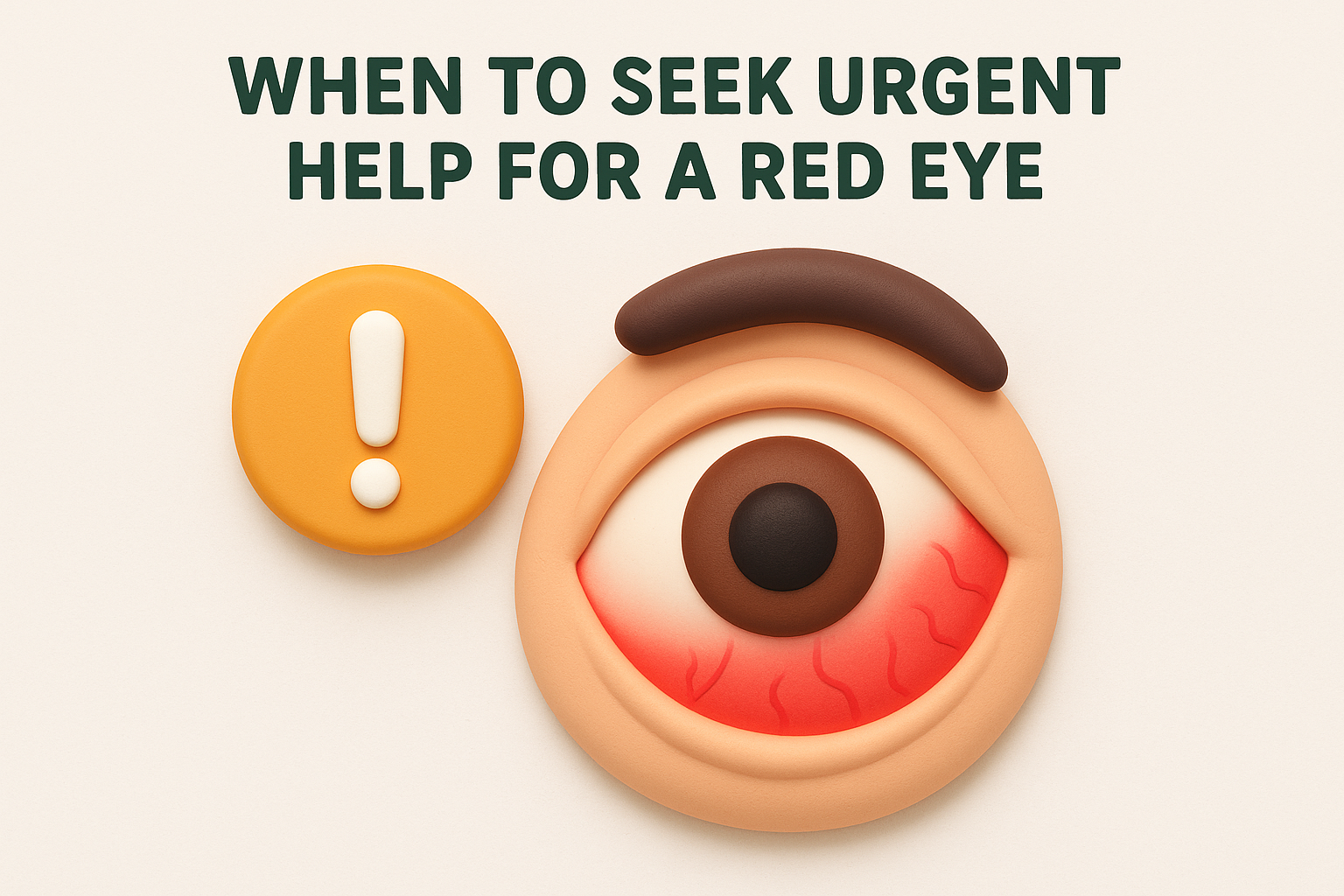
When to seek urgent help for a red eye
While a subconjunctival bleeding eye typically heals without complications, certain accompanying symptoms signal potentially serious problems that need immediate professional assessment. You should distinguish between the harmless appearance of surface bleeding and warning signs of conditions that threaten your vision or indicate systemic health issues.
Warning signs that require immediate attention
Seek urgent medical care if your red eye comes with severe pain, vision loss, or light sensitivity. These symptoms suggest problems beyond simple blood vessel rupture, such as corneal injury, acute glaucoma, or inflammation inside your eye. You should also contact an eye specialist immediately if you experience discharge, swelling, or a feeling that something is stuck in your eye that won’t wash out.
If your eye becomes red following direct trauma or injury, professional examination is essential to rule out deeper damage that may not be immediately visible.
Recurrent bleeding patterns
Frequent subconjunctival haemorrhages without clear cause warrant medical investigation, as they may indicate underlying health conditions affecting your blood vessels or clotting ability. If you take blood-thinning medications and experience repeated bleeding episodes, your doctor needs to review your treatment plan. Similarly, if both eyes develop red patches simultaneously or you notice bleeding elsewhere in your body, these patterns require prompt medical evaluation to identify potential systemic causes.
How to care for it at home and what to avoid
A subconjunctival bleeding eye requires minimal intervention and typically heals naturally within one to two weeks. Your body gradually absorbs the pooled blood, though the red patch may turn yellow or orange before fully disappearing. You can support this healing process with simple home care measures while avoiding actions that might worsen the condition or delay recovery.
Simple steps for comfort and healing
You can use artificial tears or lubricating eye drops to relieve any mild scratchy sensation, though these products won’t speed up blood absorption. Apply cold compresses for 10 to 15 minutes during the first day or two if your eye feels irritated, then switch to warm compresses after 48 hours to potentially help your body break down the blood more efficiently.
Resist the urge to rub your eye, as this can cause further vessel rupture or introduce infection to the affected area.
Protect your eye from further trauma by avoiding contact sports or activities that might result in accidental knocks. You should continue taking any prescribed medications, including blood thinners, unless your doctor specifically instructs otherwise.
Actions that delay healing
Straining, heavy lifting, or intense physical activity during the first few days can increase pressure in your eye’s blood vessels and potentially extend the bleeding. You should also avoid aspirin or anti-inflammatory medications unless medically necessary, as these thin your blood and may prolong the condition. Contact lens wearers should switch to glasses temporarily if the lens causes discomfort.
How an eye specialist checks for underlying causes
When you experience a subconjunctival bleeding eye, an eye specialist conducts a thorough examination to determine whether the bleeding stems from a simple vessel rupture or signals an underlying health concern. This evaluation becomes particularly important if you have recurrent episodes, take blood-thinning medications, or have conditions like high blood pressure or diabetes that affect your blood vessels.
Physical examination of your eye
Your specialist uses a slit lamp microscope to examine the affected area under magnification and bright lighting. This detailed view reveals whether the bleeding is confined to the conjunctiva or extends deeper into your eye structures. The examination also checks for signs of trauma, foreign objects, or inflammation that might have triggered the bleeding.
A complete eye examination helps rule out more serious conditions that can present with a red eye, such as anterior uveitis or acute glaucoma.
Blood pressure and medical history review
Your doctor measures your blood pressure during the consultation, as uncontrolled hypertension frequently causes spontaneous vessel ruptures in your eyes. You’ll discuss your current medications, particularly blood thinners, along with any recent activities involving straining or trauma. If you experience frequent bleeding episodes, your specialist may recommend blood tests to check your clotting function and rule out bleeding disorders that require medical management.

What to do next
A subconjunctival bleeding eye looks alarming but typically heals on its own within one to two weeks without any specific treatment. You can manage minor discomfort with artificial tears and cold compresses while your body naturally absorbs the pooled blood. Most cases require nothing more than basic home care and patience as the red patch gradually fades through various colour stages.
You should contact an eye specialist if you experience pain, vision changes, or repeated bleeding episodes. These symptoms may indicate underlying conditions that need professional assessment. Your blood pressure and overall health also play important roles in preventing future occurrences, so addressing any systemic concerns with your doctor helps protect your long-term eye health.
Book a consultation at Bright Sight Eye Specialists if you have concerns about persistent or recurrent eye bleeding. Dr Rahul Dubey and the team provide comprehensive examinations to identify any underlying causes and ensure your eyes remain healthy.