


You might notice small dark shapes drifting across your field of vision when you look at a bright sky or white wall. These are commonly called floaters, and they appear as black or grey dots, squiggly lines, cobwebs or tiny threads that seem to move when you try to focus on them. Most people experience these visual disturbances at some point, particularly as they get older. The spots you see are actually shadows cast on your retina by tiny clumps of collagen floating in the clear gel that fills your eyeball.
This article explains what causes you to see black spots in your vision and helps you understand when these floaters are harmless and when they signal something that needs urgent attention. You will learn how to respond if you suddenly notice new floaters, what underlying conditions might be responsible, how doctors diagnose the cause, and what treatment options exist if the spots are affecting your daily life. We will also cover practical steps you can take to protect your long term eye health and reduce your risk of developing more serious vision problems.
Why seeing black spots in vision matters
Your eyes provide vital information about your overall health, and changes in your vision often serve as early warning signs of conditions that extend beyond your eyesight. When you notice black spots or floaters, your eyes are signalling that physical changes have occurred inside your eyeball, and whilst most of these changes are harmless and age-related, some indicate serious problems that require immediate attention. Understanding the difference between normal floaters and dangerous symptoms helps you protect your vision and potentially your life, as certain eye conditions can lead to permanent blindness if left untreated.
Your vision affects your independence and safety
The ability to see clearly impacts every aspect of your daily routine, from driving safely to reading medication labels and recognising faces. Sudden changes in your vision, including a sharp increase in black spots, can compromise your ability to judge distances, navigate stairs or operate machinery, which puts you at increased risk of accidents and falls. Many people who develop significant floaters report difficulty reading, working on computers or participating in activities they once enjoyed, which directly affects their quality of life and emotional wellbeing.
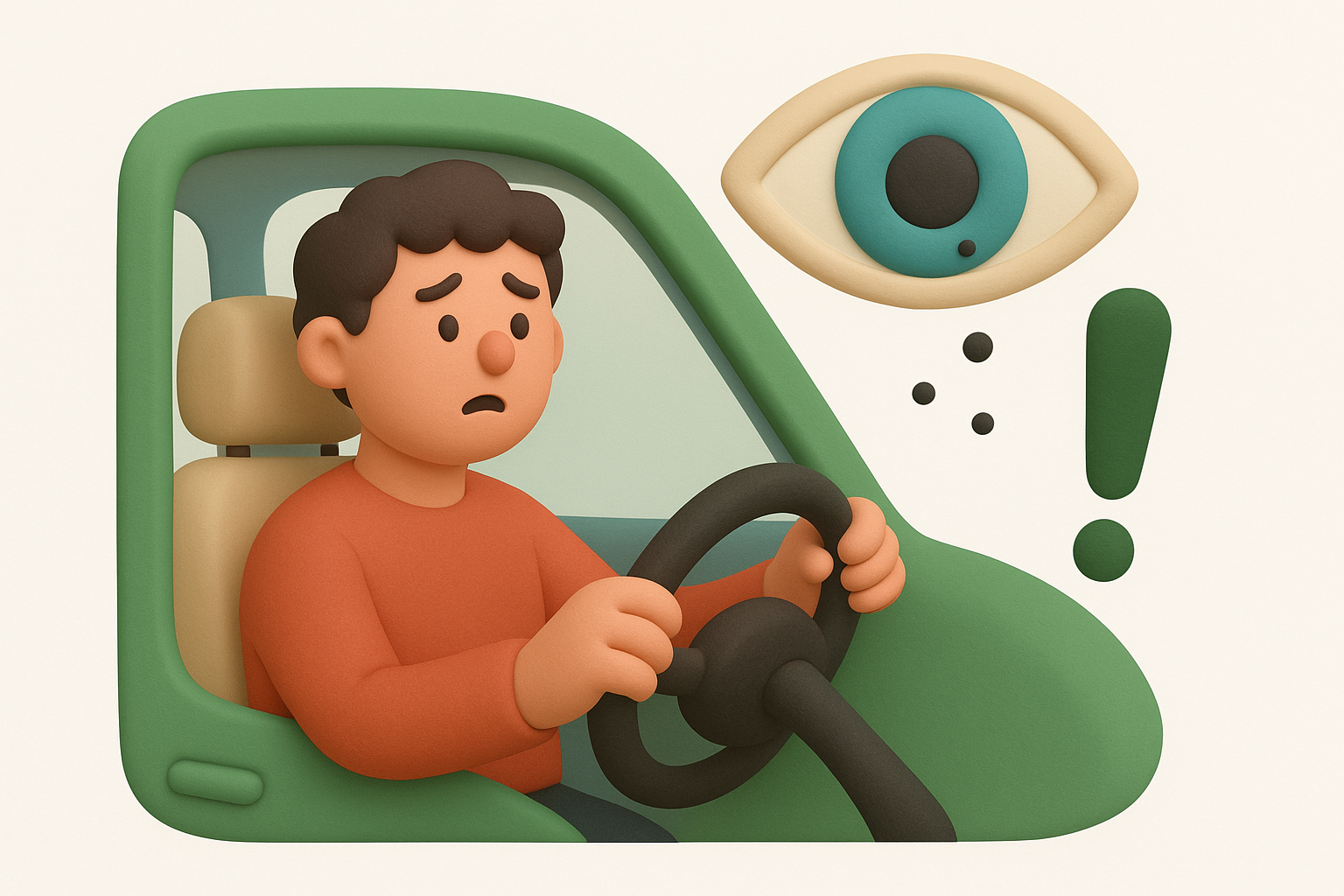
Protecting your eyesight means maintaining your independence and continuing to do the things you value most.
Early detection prevents permanent damage
Seeing black spots sometimes indicates retinal tears or detachment, conditions that can cause irreversible vision loss within hours or days if you do not receive prompt treatment. Your retina has no pain receptors, so you will not feel any discomfort even when serious damage occurs, making visual symptoms your only warning sign. Regular eye examinations and immediate responses to sudden changes in your floaters give your eye specialist the best chance to preserve your sight and address problems before they become permanent.
How to respond if you see black spots
Your response to seeing black spots depends entirely on how they appear and what other symptoms accompany them. Gradual onset of a few floaters over months or years typically requires monitoring but not immediate medical intervention, whilst sudden appearance of multiple floaters accompanied by flashes of light or vision loss demands urgent attention within hours. The key distinction lies in recognising which symptoms signal an emergency and which represent normal age-related changes that you can address at your next routine eye examination.
Recognise emergency warning signs
You need to seek immediate medical attention if you experience any combination of symptoms that suggest retinal damage or detachment. Watch specifically for a sudden shower of new floaters appearing within minutes or hours, flashing lights in one or both eyes (like camera flashes or lightning streaks), a dark curtain or shadow moving across your field of vision, or a sudden decrease in your visual clarity. These symptoms indicate potential retinal tears that can progress to complete detachment within days, and every hour of delay reduces the likelihood of preserving your full vision.
If you suddenly see many new floaters alongside flashes of light, you are experiencing an eye emergency that requires immediate specialist assessment.
Take immediate action for sudden changes
Contact an eye specialist or visit an emergency department straightaway if you notice dramatic changes in your floaters or any of the warning signs mentioned above. Do not wait until morning or assume the symptoms will resolve on their own, as retinal detachments progress rapidly and treatment becomes less effective with each passing hour. Your eye specialist needs to examine your retina through dilated pupils to identify tears or detachments, and many retinal tears can be sealed with laser treatment if caught early, preventing progression to full detachment that requires surgery.
Document what you’re experiencing
Record specific details about your symptoms before your appointment, including when the floaters first appeared, how many you can see, whether they are increasing in number, and any associated symptoms like flashes or vision loss. Note which eye is affected and describe the appearance of the spots (dots, lines, cobwebs or clouds), as these details help your eye specialist determine the urgency and likely cause. Take photos of any vision changes if possible, and bring a list of your current medications and any recent eye injuries or procedures, as this information assists in accurate diagnosis.
Common causes of seeing black spots
Several distinct conditions can make you see black spots in your vision, ranging from harmless age-related changes to serious medical emergencies that threaten your eyesight. Understanding which causes are benign and which require urgent intervention helps you respond appropriately when floaters appear. Most people who experience seeing black spots have simple vitreous changes that pose no danger, but approximately one in seven people with sudden onset floaters will have a retinal tear that needs immediate treatment to prevent blindness.
Age-related vitreous changes
The most common cause of black spots in your vision involves natural changes to the vitreous humour, the clear gel that fills the space between your lens and retina. As you age beyond 40, this gel begins to liquefy and shrink, causing collagen fibres within it to clump together into strands and clusters. These floating clumps cast shadows on your retina, which you perceive as dark dots, squiggly lines or cobwebs drifting across your field of vision. This process affects nearly everyone eventually and accelerates if you are very short-sighted or have undergone cataract surgery.

The vitreous gel gradually separates from the retina in a process called posterior vitreous detachment, which typically occurs between ages 50 and 70. You might notice a sudden increase in floaters when this separation happens, sometimes accompanied by brief flashes of light, but the condition usually resolves without treatment once the vitreous completes its detachment from the retinal surface.
Most floaters result from harmless aging processes inside your eye, but sudden increases still warrant professional examination to rule out retinal damage.
Retinal tears and detachment
Your retina can tear when the contracting vitreous tugs too forcefully on its surface, creating breaks that allow fluid to seep underneath and lift the retina away from the eye wall. These tears produce a characteristic symptom pattern of sudden floaters (often described as a shower of dots or tiny specks like pepper), flashing lights, and eventually a dark curtain or shadow obscuring part of your vision. Retinal detachment represents a true eye emergency that causes permanent blindness in the affected area unless surgeons reattach the retina within days, making immediate specialist assessment critical whenever you experience sudden floater onset.
Eye inflammation and bleeding
Inflammation in the back of your eye, called posterior uveitis, releases white blood cells into the vitreous that appear as floating black spots in your vision. Conditions causing this inflammation include autoimmune diseases like sarcoidosis and lupus, infections, or inflammatory disorders affecting multiple body systems. Bleeding into the vitreous from diabetic retinopathy, blocked blood vessels, high blood pressure or eye injuries releases red blood cells that appear as dark floaters, clouds or a red haze, and this bleeding requires urgent treatment to preserve your vision and identify the underlying cause.
Medical conditions affecting the retina
Diabetic retinopathy develops when high blood sugar damages the tiny vessels supplying your retina, causing them to leak fluid and blood that creates dark spots with a reddish tinge. Age-related macular degeneration (AMD), particularly the wet form, produces abnormal blood vessels that leak and bleed, sometimes creating a large dark spot in your central vision rather than drifting floaters. Central serous chorioretinopathy causes fluid accumulation under the retina that appears as a dark patch or blur in your central vision, most commonly affecting men aged 30 to 50 who experience high stress levels.
Diagnosis and treatment options
Your eye specialist uses several examination techniques to determine why you are seeing black spots and whether your symptoms require treatment. The diagnostic process always begins with a thorough discussion of your symptoms, including when the floaters started, how many you see, and whether you experience any associated flashes or vision loss. Your doctor then performs a comprehensive eye examination that includes dilating your pupils with eye drops to gain a clear view of your vitreous and retina, allowing them to identify tears, detachments, bleeding or inflammation that might be causing your symptoms.
How your eye specialist diagnoses the cause
The examination begins with visual acuity testing to measure how well you can see at various distances, followed by intraocular pressure measurement to check for glaucoma. Your eye specialist then uses a slit lamp microscope to examine the front structures of your eye, looking for signs of inflammation or blood cells floating in the anterior chamber. After dilating your pupils with drops (which takes about 20 to 30 minutes to take full effect), the doctor uses specialised lenses and bright lights to inspect your vitreous gel and retina thoroughly.

Advanced imaging techniques help your specialist document and assess the severity of any problems they identify. Optical coherence tomography (OCT) creates detailed cross-sectional images of your retina, revealing subtle changes that might not be visible during standard examination. Ultrasound scanning proves particularly useful when blood or dense floaters prevent clear visualisation of the retina, as sound waves can penetrate these obstructions to create images of the structures behind them.
Your eye specialist may perform additional tests including fluorescein angiography or fundus photography to thoroughly assess blood vessel health and document retinal changes over time.
Treatment for age-related floaters
Most people with simple age-related floaters require no treatment beyond reassurance and monitoring, as your brain gradually adapts to ignore these visual disturbances over several weeks or months. Your eye specialist will recommend regular follow-up examinations to ensure no complications develop, typically scheduling reviews at three months, six months and annually thereafter. Lifestyle adjustments help you manage floaters in daily life, including increasing lighting when reading, using larger fonts on screens, and avoiding activities in bright sunlight without sunglasses, as high contrast environments make floaters more noticeable.
Surgical interventions for serious conditions
Your specialist will recommend laser treatment or surgery when seeing black spots results from retinal tears, significant bleeding, or when floaters severely impact your quality of life. Retinal tears detected early can often be sealed with laser photocoagulation, a quick procedure performed in the consulting room that uses targeted laser burns to create scar tissue around the tear, preventing fluid from passing through and causing detachment. More extensive retinal detachments require vitrectomy surgery, where surgeons remove the vitreous gel along with the floaters and repair any tears using laser or cryotherapy (freezing treatment), then inject gas or silicone oil to hold the retina in position whilst it heals.
Vitrectomy also treats persistent troublesome floaters that interfere with your daily activities when conservative management fails. This microsurgical procedure carries risks including cataract formation, retinal detachment and infection, so surgeons typically reserve it for cases where floaters genuinely impair your function rather than simply causing annoyance. YAG laser vitreolysis offers a less invasive alternative for selected patients, using targeted laser pulses to break up larger floaters into smaller, less noticeable fragments, though this technique works best for specific floater types positioned away from the retina and lens.
Looking after your eyes long term
Protecting your vision throughout your life requires consistent preventive care and awareness of the factors that increase your risk of developing eye conditions that cause seeing black spots and other visual disturbances. Regular comprehensive eye examinations form the foundation of maintaining healthy eyes, as many sight-threatening conditions develop gradually without symptoms until significant damage has occurred. Your eye specialist can detect early warning signs of problems like retinal tears, macular degeneration, diabetic retinopathy and glaucoma before they affect your vision, giving you the best opportunity to preserve your sight through timely intervention.
Schedule regular comprehensive eye examinations
You should have complete eye examinations at intervals appropriate for your age and risk factors, typically every two years for adults under 65 and annually for those over 65 or with existing eye conditions. Comprehensive examinations differ from basic vision tests performed at optometrists, as they include dilated retinal examination that allows specialists to thoroughly inspect your vitreous and retina for early signs of disease. People with diabetes, high myopia, family history of retinal problems, or previous eye injuries need more frequent monitoring, often every six to twelve months depending on their specific situation.
Catching eye problems early through regular examinations dramatically improves treatment outcomes and reduces your risk of permanent vision loss.
Manage health conditions that affect your eyes
Conditions like diabetes and high blood pressure significantly increase your risk of developing retinal problems that cause floaters, bleeding or vision loss. Keeping your blood sugar levels within target ranges through diet, exercise and medication reduces your risk of diabetic retinopathy by up to 76%, whilst controlling blood pressure protects the delicate blood vessels supplying your retina. Smoking cessation particularly benefits your eye health, as tobacco use accelerates age-related macular degeneration, increases inflammation throughout your body, and damages the blood vessels in your eyes.

Next steps for your eye health
Seeing black spots in your vision happens to most people as they age, and whilst the majority of floaters pose no threat to your eyesight, you now understand when sudden changes demand immediate attention. Schedule a comprehensive eye examination if you have not had one recently, particularly if you are over 40, very short-sighted, diabetic or have a family history of retinal problems. Protect your vision by maintaining regular monitoring appointments, managing conditions like diabetes and high blood pressure, and responding quickly to any sudden increases in floaters accompanied by flashes or shadows.
Your eyes deserve specialist care from experienced professionals who use advanced diagnostic technology and offer personalised treatment plans. Bright Sight Eye Specialists provides comprehensive retinal assessments and treatment for all conditions affecting your vision, including floaters, retinal tears and macular disease, with transparent pricing and patient-centred care throughout your journey to optimal eye health.