


If you see floaters in vision, you’re experiencing small shapes that drift across your field of view. These might look like dark spots, squiggly lines, or cobwebs that move when you try to focus on them. Most floaters are harmless bits of protein or collagen floating inside your eye’s jelly like interior. They cast shadows on your retina, which is why you notice them against bright backgrounds like a clear sky or white wall. While floaters are common as you age, they can sometimes signal more serious problems that need immediate attention.
This article walks you through everything you need to know about eye floaters. You’ll discover what causes them, who’s most at risk, and how to tell the difference between normal floaters and emergency warning signs. We’ll explain when you should see a specialist, what treatments exist, and the practical steps you can take right now. Whether you’ve just noticed your first floater or you’re dealing with a sudden increase, you’ll leave with clear answers about protecting your vision.
Why floaters in vision matter
Your vision is how you process the world around you, and any change to it deserves attention. When you see floaters in vision, your brain initially struggles to filter them out, which means they can disrupt daily activities like reading, driving, or using a computer. Most people find floaters distracting at first, though many adapt over time as their brain learns to ignore these shapes drifting through their visual field. The experience varies widely, with some people barely noticing their floaters while others find them consistently bothersome.

The real risk behind floaters
Floaters matter most because they can signal serious retinal problems. While the majority of floaters are benign age-related changes, a sudden increase might indicate a retinal tear or detachment. Your retina is the light-sensitive tissue at the back of your eye that sends visual signals to your brain. When it tears or detaches, you risk permanent vision loss without prompt treatment.
Retinal tears and detachments can progress rapidly, making early detection critical for preserving your sight.
Understanding the difference between normal floaters and warning signs helps you protect your long-term vision. The earlier you catch serious retinal problems, the better your chances of successful treatment and full recovery.
How to respond when you notice floaters
When you first see floaters in vision, your immediate response should be to stay calm and observe the pattern. Most floaters are harmless, but you need to gather specific information about what you’re experiencing. Start by noting how many floaters you see, their shape, and whether they appear suddenly or have developed gradually over weeks or months. This information helps your eye specialist assess whether you’re dealing with a routine age-related change or something more serious.
Track the details
You should document specific characteristics of your floaters as soon as you notice them. Write down whether they look like dots, lines, cobwebs, or shadows, and note which eye is affected. Pay attention to when they appear most, such as in bright light or against plain backgrounds. This record gives your eye care provider valuable information during your examination and helps track any changes over time.
Know when to seek help
Contact an eye specialist immediately if you experience a sudden increase in floaters, especially if accompanied by flashes of light or a shadow in your peripheral vision. These symptoms can indicate a retinal tear or detachment that requires urgent treatment.
If you notice a shower of new floaters appearing within hours or days, don’t wait for a routine appointment.
Schedule a non-urgent examination if you see occasional floaters without other symptoms, as your specialist can confirm they’re benign during a comprehensive eye check.
What causes floaters and who is at risk
The primary cause of floaters is a natural process called posterior vitreous detachment. Your eye contains a gel-like substance called the vitreous that fills the space between your lens and retina. As you age, this vitreous gradually liquifies and shrinks, pulling away from the retina’s surface. Tiny collagen fibres within the vitreous then clump together, casting shadows on your retina that you perceive as floaters. This process typically begins after age 50, though it can occur earlier in some people. The shadows move because these clumps drift through the liquified vitreous inside your eye.
The natural ageing process
Most people will see floaters in vision at some point in their lives simply because of age-related changes. The vitreous undergoes a predictable transformation as you get older, shifting from a firm gel to a more liquid consistency. This change happens gradually over years, which is why floaters often appear slowly rather than all at once. Your brain eventually adapts to these persistent shapes, making them less noticeable over time even though they remain present in your eye.
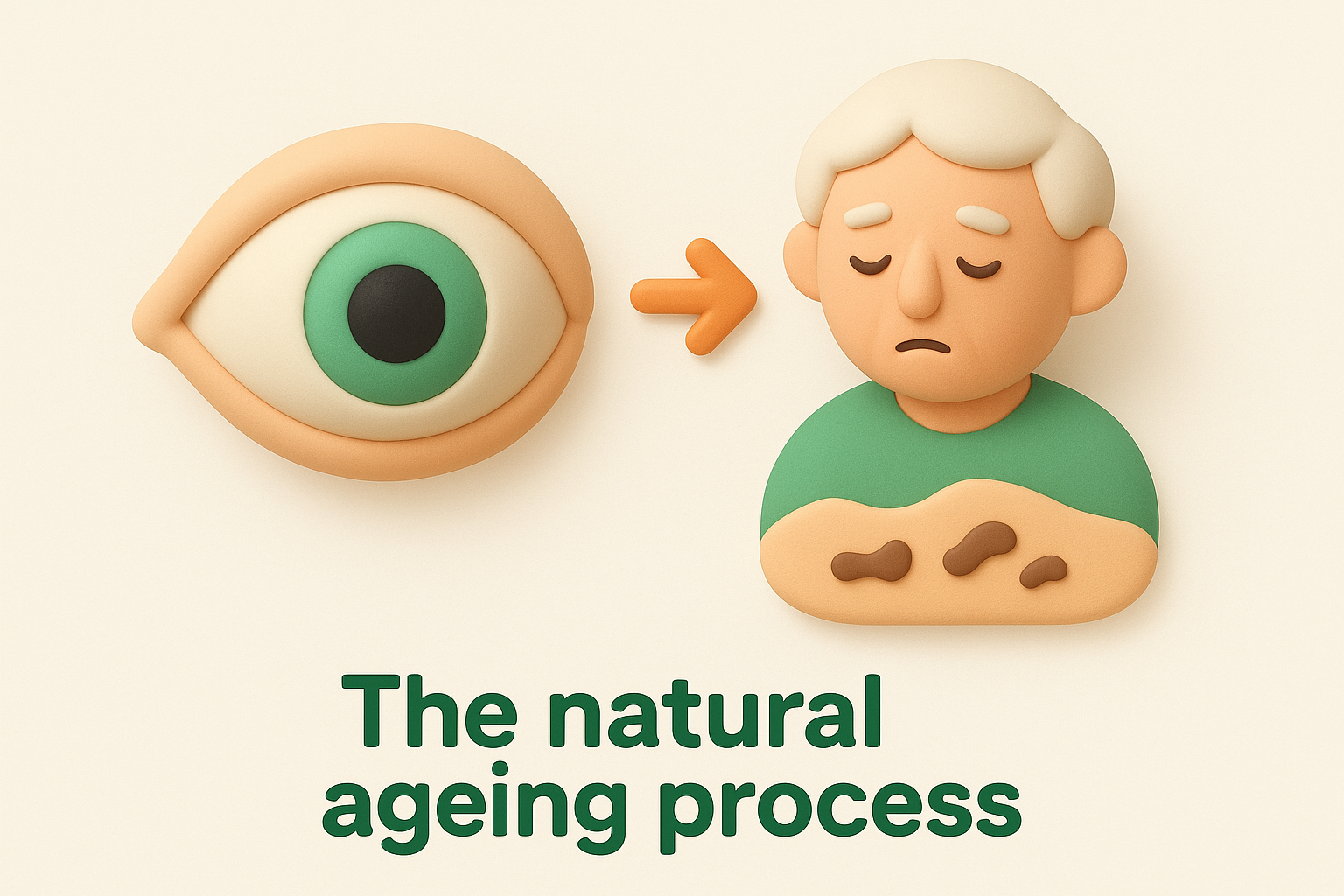
The vitreous gel naturally liquifies with age, making floaters a common experience for people over 50.
Risk factors that increase your chances
Beyond normal ageing, several factors make you more likely to develop floaters earlier or in greater numbers. If you’re short-sighted (myopic), your eye’s elongated shape creates conditions that accelerate vitreous changes. People with diabetes face increased risk because blood sugar fluctuations can lead to bleeding inside the eye. Eye inflammation (uveitis), previous eye surgery, and eye injuries all raise your chances of developing floaters. Family history plays a role too, particularly regarding retinal tears and detachments. If close relatives have experienced these conditions, you carry a higher risk and should monitor your vision more carefully.
When floaters are an emergency sign
Certain patterns of floaters require immediate medical attention because they indicate your retina may be tearing or detaching. If you suddenly see floaters in vision alongside flashes of light, you’re experiencing symptoms that shouldn’t wait for a routine appointment. A retinal tear creates these flashes as the vitreous pulls on your retina, while the floaters may represent blood or debris released by the tear. These conditions can progress within hours or days, potentially causing permanent vision loss if left untreated.
The warning signs you can’t ignore
You should seek emergency care if you notice a sudden shower of new floaters appearing within a short timeframe, particularly if they’re accompanied by other symptoms. Flashes of light in your peripheral vision signal that your retina is under mechanical stress. A dark curtain or shadow moving across your field of view suggests your retina may already be detaching from the back of your eye. Watch for a grey area blocking part of your vision or sudden darkness on the sides of your visual field, as these indicate the detachment is progressing.
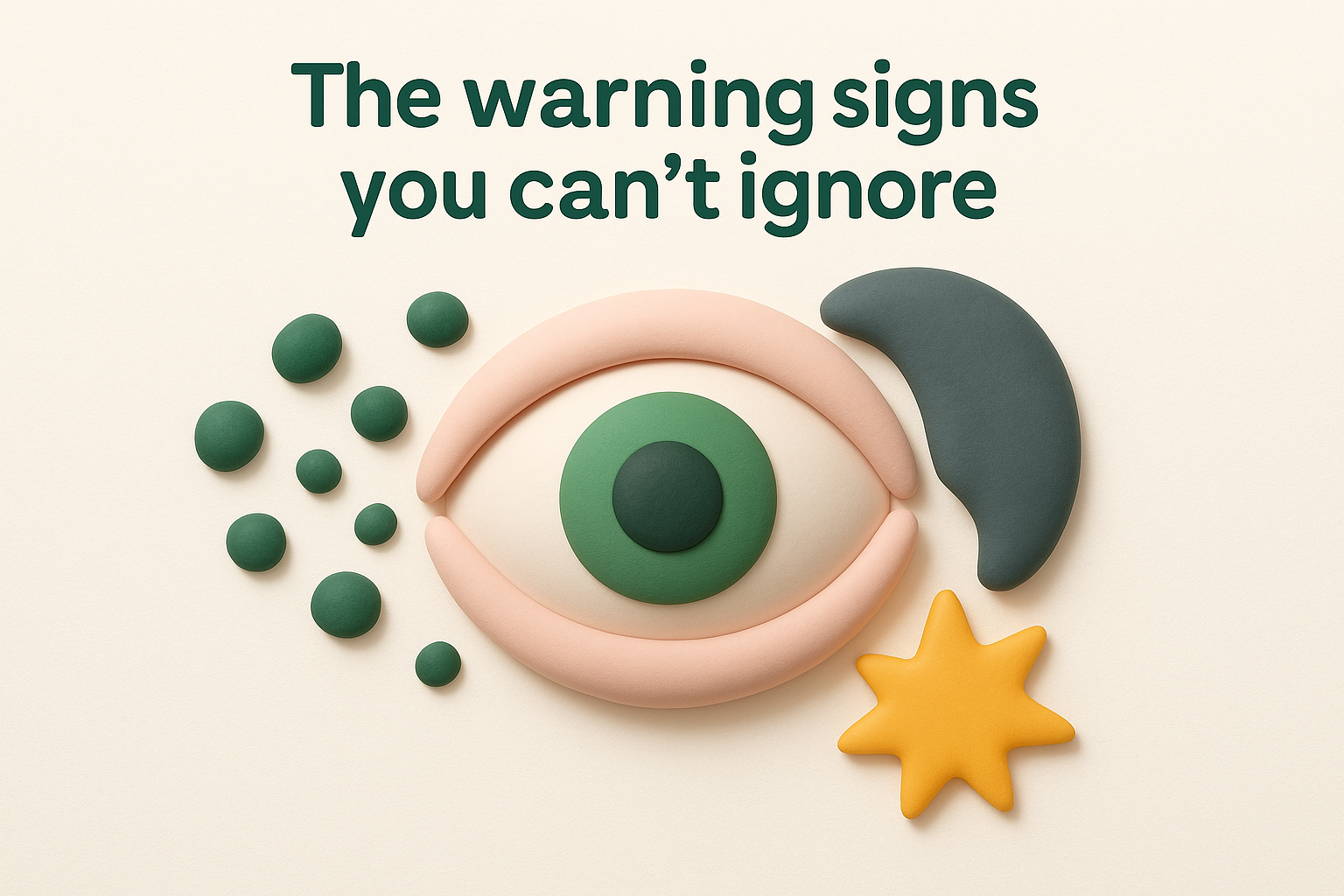
Retinal detachment can cause permanent blindness if not treated within days, making immediate medical attention critical.
Why retinal detachment demands immediate action
When your retina detaches, it separates from the blood supply that keeps it alive and functioning. The longer it remains detached, the more photoreceptor cells die, reducing your chances of recovering full vision even after successful surgery. Treatment within 24 to 48 hours gives you the best outcome, while delays beyond a week can result in irreversible damage. Contact an eye specialist or visit an emergency department straight away if you experience these warning signs, as surgical repair becomes more complicated and less effective the longer you wait.
Diagnosis and treatment at an eye specialist
Your eye specialist will perform a comprehensive examination to determine whether your floaters are harmless or require intervention. The appointment begins with a dilated eye exam, where special drops widen your pupils so the specialist can view your entire retina and vitreous. This examination lets them see the floaters directly, check for retinal tears or detachments, and assess the overall health of your eye. You’ll need to bring someone to drive you home, as the dilation can blur your vision for several hours.
The examination process
During your examination, your specialist uses a slit lamp microscope to inspect the front of your eye before examining the vitreous and retina. They’ll ask you to look in different directions while they check every section of your retina for tears, holes, or detachment. Optical coherence tomography (OCT) may be used to capture detailed images of your retina’s layers, particularly if your specialist suspects macular involvement or other structural problems.
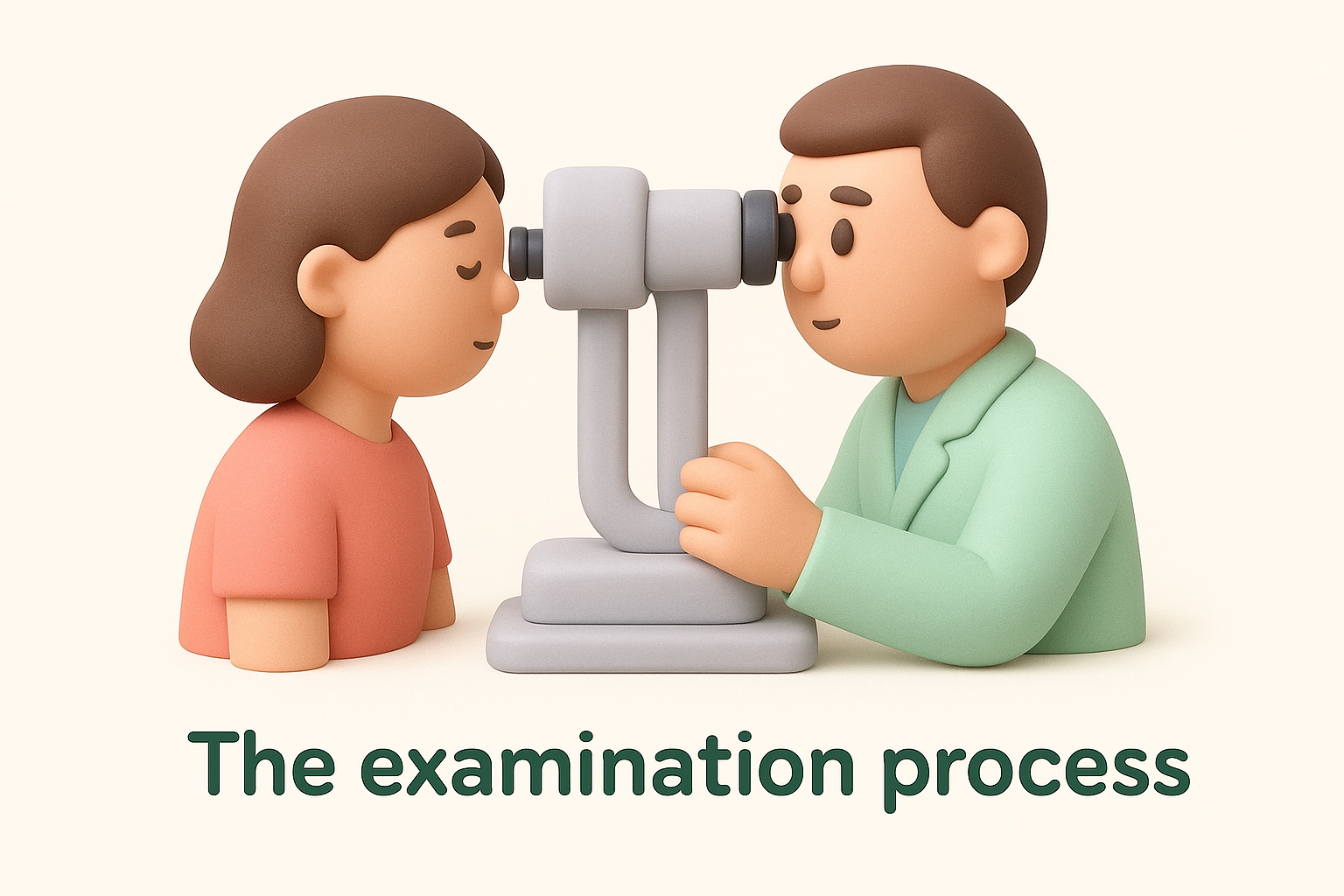
Regular dilated eye examinations help detect retinal problems early, even before symptoms develop.
Treatment approaches that work
Most people who see floaters in vision don’t require any treatment beyond monitoring. Your brain gradually adapts to the floaters, making them less noticeable over time. If floaters severely affect your quality of life, your specialist may discuss vitrectomy surgery, which removes the vitreous gel and replaces it with a saline solution. This procedure carries risks including cataracts, retinal tears, and infection. Laser vitreolysis offers a less invasive option, using focused laser energy to break up larger floaters, though it’s not suitable for all cases. Treatment for retinal tears involves laser therapy or freezing treatment to seal the tear before it progresses to detachment.

Next steps for clearer vision
When you see floaters in vision, your priority should be understanding whether they’re routine or urgent. Most floaters are harmless age-related changes that require no treatment, but knowing the warning signs protects your sight. Schedule regular eye examinations to monitor your eye health, particularly if you’re over 50, short-sighted, or have diabetes. These check-ups allow early detection of problems before they progress to serious complications.
Take immediate action if you notice a sudden increase in floaters, flashes of light, or shadows in your peripheral vision. These symptoms demand same-day assessment by an eye specialist to rule out retinal tears or detachment. For routine floaters that don’t signal emergency, book a comprehensive examination to confirm they’re benign and discuss any concerns about your vision.
Book your eye examination at Bright Sight Eye Specialists for expert retinal assessment and treatment in Randwick. Dr Rahul Dubey provides advanced diagnostic care with transparent pricing.