


Waking up to find a bright red patch spreading across the white of your eye can be genuinely alarming. This sudden splash of colour, known as a ruptured vessel in eye or subconjunctival haemorrhage, often looks far worse than it actually is.
The good news? In most cases, this common condition is painless and harmless, resolving on its own within one to two weeks without any treatment. However, there are certain situations where that red spot may signal something that warrants professional attention, particularly if it keeps recurring or appears alongside other symptoms like vision changes or eye pain.
At Bright Sight Eye Specialists in Randwick, we regularly see patients concerned about these striking eye changes. This article explains what causes blood vessels in the eye to rupture, how long healing typically takes, and the warning signs that indicate you should seek expert assessment rather than simply waiting it out.
What it is and what it looks like
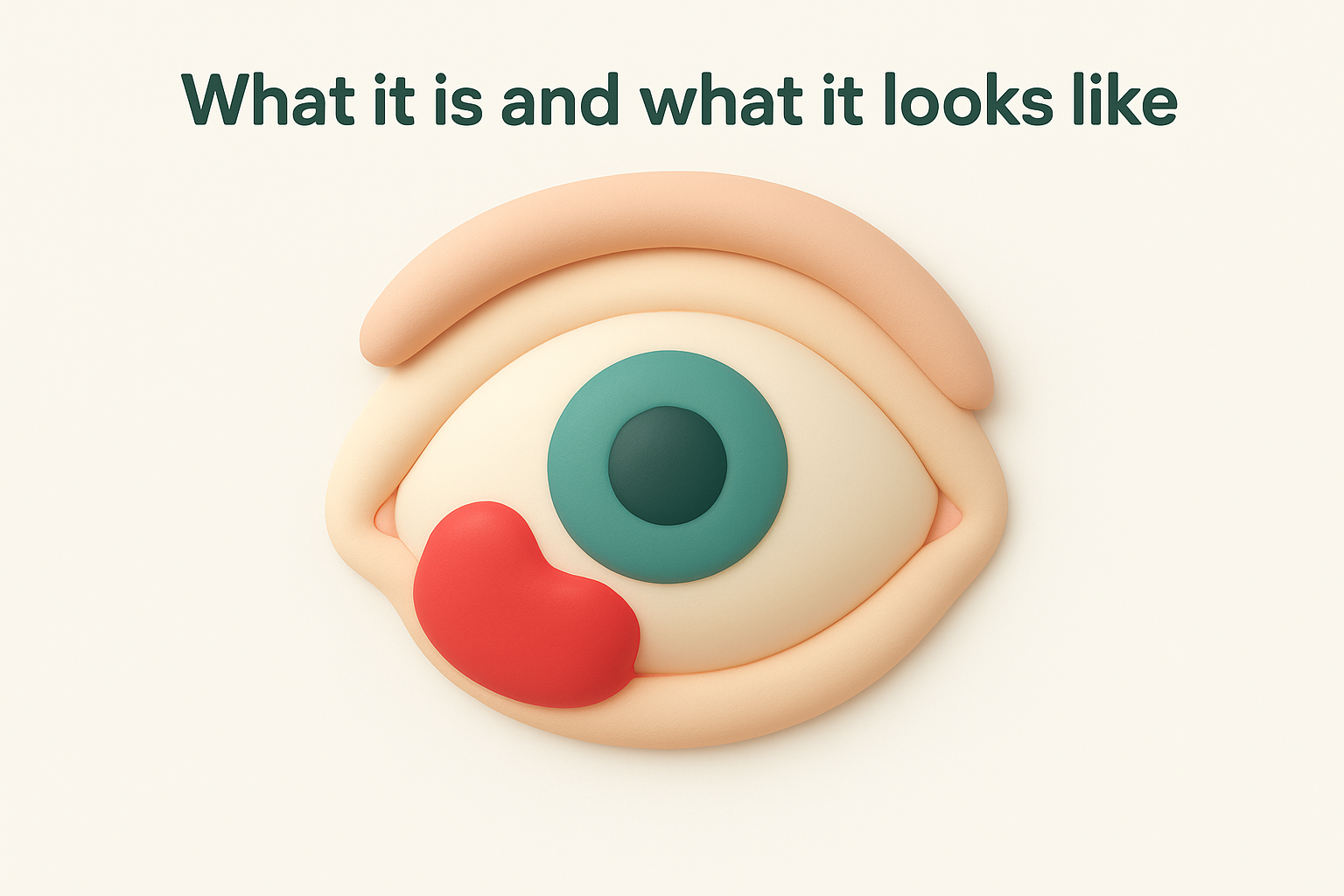
A ruptured vessel in eye occurs when a tiny blood vessel breaks beneath the conjunctiva, the clear membrane covering the white part of your eye. This membrane sits directly over the sclera (the white outer layer), and because it’s transparent, any blood that leaks from a broken vessel becomes immediately and vividly visible. The conjunctiva contains a dense network of delicate blood vessels, and when one ruptures, the blood spreads quickly beneath this thin layer, creating a distinctive bright red patch.
The medical explanation
The medical term for this condition is subconjunctival haemorrhage. Unlike bruising on your skin, where blood spreads through tissue, the blood here becomes trapped in a confined space between two thin layers. This confinement causes the blood to appear particularly vivid and concentrated rather than diffusing into surrounding areas. Your eye itself remains completely normal, as the bleeding happens only on the surface layer and doesn’t penetrate into the deeper structures that control vision.
Despite its dramatic appearance, a subconjunctival haemorrhage typically causes no pain and doesn’t affect your vision.
What you’ll actually see
You’ll notice a distinct red area that can range from a small spot to a patch covering a significant portion of the white of your eye. The blood appears bright red initially, sometimes resembling spilled paint against the white sclera. Over the following days, you may observe the patch changing colour, much like a bruise on your skin transitions through shades of red, purple, and yellow as your body reabsorbs it. The affected area might also appear slightly raised or swollen due to the pooled blood beneath the conjunctiva, though you won’t feel this bulge. Some patients describe seeing the red area spread or shift position during the first day as gravity redistributes the blood beneath the membrane.
Common symptoms and what is normal
The most striking feature of a ruptured vessel in eye is how painless it typically is. You might discover the red patch purely by chance when looking in a mirror, or someone else might point it out to you. Unlike other eye conditions that announce themselves with discomfort or irritation, a subconjunctival haemorrhage usually produces no sensation at all. The affected eye functions normally, moves freely, and feels no different from your unaffected eye.
What you’ll feel (or won’t feel)
Most people experience absolutely no pain from the bleeding itself. You might notice a mild scratchy sensation or slight awareness of the affected area, similar to having a tiny grain of sand in your eye, but this remains minimal. The eye doesn’t throb, ache, or feel tender to touch. You won’t develop sensitivity to light, and blinking causes no additional discomfort. Some patients report a feeling of fullness in the affected eye, though this proves more psychological than physical, stemming from awareness of the visible blood rather than actual pressure.
The absence of pain distinguishes a simple subconjunctival haemorrhage from more serious eye conditions that require immediate attention.
Vision remains clear
Your vision stays completely unaffected by a ruptured vessel in eye. You’ll see just as clearly as before the bleeding occurred, with no blurring, double vision, or dark spots. Reading, driving, and screen work continue without difficulty. The blood sits on the surface layer only, never entering the parts of your eye responsible for sight. If you notice any vision changes alongside the red patch, this signals a different or additional problem requiring prompt professional assessment.
Causes and risk factors in adults and kids
A ruptured vessel in eye happens when physical pressure or underlying health conditions weaken the delicate blood vessels in your conjunctiva. The triggers differ between adults and children, though some causes affect both age groups. Understanding these factors helps you identify patterns if the bleeding recurs and guides conversations with your eye specialist about potential underlying issues.
Sudden pressure triggers
Physical strain creates the most common triggers across all ages. Violent coughing, forceful sneezing, or heavy vomiting increases pressure in your head and eyes, sometimes enough to rupture a tiny vessel. You might notice a red patch after lifting heavy objects, straining during bowel movements, or even rubbing your eyes too vigorously. Children often develop subconjunctival haemorrhages from crying intensely, particularly during sustained tantrums. Sports injuries, particularly those involving contact or rapid head movements, can also cause vessels to break.
Simple everyday actions that temporarily spike blood pressure in your head can rupture the fragile vessels in your eye.
Medical conditions that increase risk
Adults with high blood pressure or those taking blood-thinning medications like aspirin or warfarin face higher risk. Diabetes weakens blood vessel walls over time, making ruptures more likely. Blood clotting disorders, though rare, can manifest as recurrent eye bleeding. In children, persistent coughing from respiratory infections or whooping cough sometimes triggers vessel rupture. Rarely, repeated haemorrhages in children might indicate bleeding disorders requiring investigation.
Healing time and what you can do at home
A ruptured vessel in eye typically heals on its own within one to two weeks, though larger bleeds may take slightly longer. Your body naturally reabsorbs the trapped blood, much like it would heal a bruise on your skin. You’ll notice the bright red colour fading gradually, often shifting through shades of orange and yellow before disappearing completely. The process requires no medical intervention in uncomplicated cases.

Timeline for recovery
During the first few days, the red patch might appear to spread slightly as gravity redistributes the blood beneath the conjunctiva. This spreading doesn’t indicate worsening; it simply reflects the blood settling. By day three or four, you’ll typically see the colour becoming less vivid, transitioning from bright red to darker red or maroon. The patch then gradually shrinks and lightens over the following week.
The blood reabsorbs at its own pace, and no treatment can speed this natural healing process.
Simple home care
You don’t need special treatments or medications for an uncomplicated subconjunctival haemorrhage. Artificial tears can soothe any mild scratchiness you might feel, though they won’t affect healing time. Avoid rubbing your eye, as this pressure could theoretically trigger additional bleeding. Continue your normal activities, including reading and screen work, without restriction. If you take blood-thinning medication, don’t stop it without consulting your doctor, as the benefits usually outweigh the minor inconvenience of occasional eye bleeding.
When to worry and seek urgent eye care
While most cases of ruptured vessel in eye resolve harmlessly, certain symptoms signal potentially serious underlying conditions requiring prompt professional assessment. You should contact an eye specialist immediately if the red patch appears alongside vision changes, severe pain, or following trauma to your eye. These additional symptoms distinguish simple bleeding from complications affecting deeper eye structures or indicating systemic health issues.
Red flags requiring immediate attention
Seek urgent care if you experience blurred or double vision, significant eye pain, or sensitivity to light accompanying the bleeding. Any trauma to your eye, including blunt impacts or penetrating injuries, warrants immediate examination even if the damage seems minor. Notice blood filling the anterior chamber (the space between your cornea and iris) rather than just spreading beneath the conjunctiva. This condition, called hyphema, appears different from subconjunctival haemorrhage and requires urgent treatment to prevent complications.
Vision changes or eye pain accompanying a red patch always require professional assessment rather than home observation.
Recurrent bleeding patterns
Repeated episodes of bleeding without obvious triggers suggest underlying health conditions requiring investigation. Multiple occurrences within a short period might indicate poorly controlled blood pressure, clotting disorders, or medication interactions. Contact your GP or eye specialist to discuss blood tests and systemic health screening, particularly if you haven’t had recent checks of your blood pressure or blood clotting function.

Next steps
A ruptured vessel in eye typically resolves without intervention, but knowing when to seek professional assessment ensures you don’t miss warning signs of more serious conditions. If your red patch persists beyond two weeks, recurs frequently, or appears alongside vision changes or pain, you need expert evaluation to rule out underlying health issues.
Book a comprehensive eye examination if you notice patterns of repeated bleeding, particularly if you haven’t had recent checks of your blood pressure or overall eye health. Our team at Bright Sight Eye Specialists provides thorough assessments using advanced diagnostic equipment to identify any contributing factors requiring attention.
Regular eye examinations become particularly important as you age, helping detect conditions like high blood pressure, diabetes complications, or early signs of eye disease before they cause noticeable symptoms. Contact our Randwick practice to schedule your appointment with Dr Rahul Dubey or Dr Capucine Odouard, who combine extensive experience with a patient-centred approach to address your eye health concerns.