


You glance in the mirror and freeze. A bright red patch has appeared on the white of your eye. It looks alarming, yet it’s usually harmless. The reasons for popped blood vessel in eye come down to a subconjunctival hemorrhage, which is when a tiny blood vessel bursts beneath the clear surface covering your eye. Blood leaks out and sits trapped under this thin membrane. Most people notice no pain, no vision changes, just that startling crimson splash. Your eye hasn’t been damaged from the inside. Think of it as a bruise on your eyeball that clears on its own within one to two weeks.
This article walks you through the common triggers that cause blood vessels to pop, from a forceful sneeze to rubbing your eyes too hard. You’ll learn which cases need urgent attention and which ones you can safely monitor at home. We’ll also cover simple care steps to speed healing, plus underlying health issues that sometimes show up as repeated eye bleeds. By the end, you’ll know exactly when to book an appointment with an eye specialist in Sydney and how to protect your eyes going forward.
Why a popped blood vessel in the eye matters
Most subconjunctival hemorrhages clear up without lasting harm, but they’re worth understanding. The reasons for popped blood vessel in eye often point to everyday events like a sneeze or a cough. However, repeated bleeds can signal uncontrolled high blood pressure, diabetes, or blood-thinning medication that needs adjusting. A single red patch isn’t an emergency, yet it serves as a reminder to check your overall health and spot patterns that might need attention.

Treating your eyes as an early warning system helps you catch problems before they worsen.
Your eye sits at the front line of your vascular system. When blood vessels break easily, they sometimes reflect fragility elsewhere in your body. Knowing the triggers lets you avoid future episodes and protect your vision long-term. If you spot pain, blurred sight, or recurring patches, you need professional assessment. Otherwise, you can rest easier knowing that bright red spot is usually nothing more than a temporary blemish that fades within days.
How to respond when a blood vessel pops in your eye
The moment you spot a red patch on your eye, take a breath. This section shows you exactly what to do next, from the first few minutes through the following days. You’ll learn which steps speed healing and which actions to avoid. Most cases resolve without any intervention, but knowing how to respond properly protects your eye and gives you peace of mind.
Stay calm and assess the situation
Your eye may look dramatic, yet subconjunctival hemorrhages rarely hurt and don’t affect your vision. Stand near good lighting and check whether you can see clearly. Look for discharge, swelling, or pain around the eye. If you spot none of these warning signs, the bleed is probably harmless. Take a photo on your phone to track changes over the next few days. The patch typically spreads slightly before it starts to fade, which is normal.
A calm response helps you spot genuine warning signs rather than panic over a benign bleed.
Simple care steps you can take
Apply a cool compress for five to ten minutes several times daily if your eye feels scratchy or irritated. Use preservative-free artificial tears from your local chemist to soothe any mild discomfort. Avoid wearing contact lenses until the redness clears completely. Keep your hands away from the eye to prevent infection. The reasons for popped blood vessel in eye often include rubbing, so resist the urge to touch the area. Most hemorrhages fade within seven to fourteen days without any treatment.

What not to do
Never push or rub the affected eye, even if it itches. Don’t use aspirin or anti-inflammatory drops unless your doctor advises them, because they can slow clotting. Skip the home remedies you find online that promise instant cures. If the redness spreads rapidly, your vision blurs, or you develop pain, stop self-care and contact an eye specialist straight away.
Common reasons for a popped blood vessel in the eye
The reasons for popped blood vessel in eye usually trace back to sudden pressure spikes or minor trauma. Your conjunctiva contains delicate capillaries that burst when strained. Most people never notice the exact moment it happens because there’s no pain or warning. Instead, you spot the bright red patch hours later when you check a mirror. Understanding these common triggers helps you prevent future episodes and recognise when a bleed might point to something deeper.
Sudden pressure changes
Coughing, sneezing, or vomiting creates a rapid pressure surge in the blood vessels throughout your head and neck. Your eye vessels can’t always withstand this force, so they rupture and leak blood beneath the conjunctiva. Straining during bowel movements produces a similar effect, especially if you deal with constipation. Heavy lifting at the gym or carrying furniture up stairs also pushes your blood pressure higher for a few seconds. These activities are the most frequent causes of subconjunctival hemorrhage in otherwise healthy people.
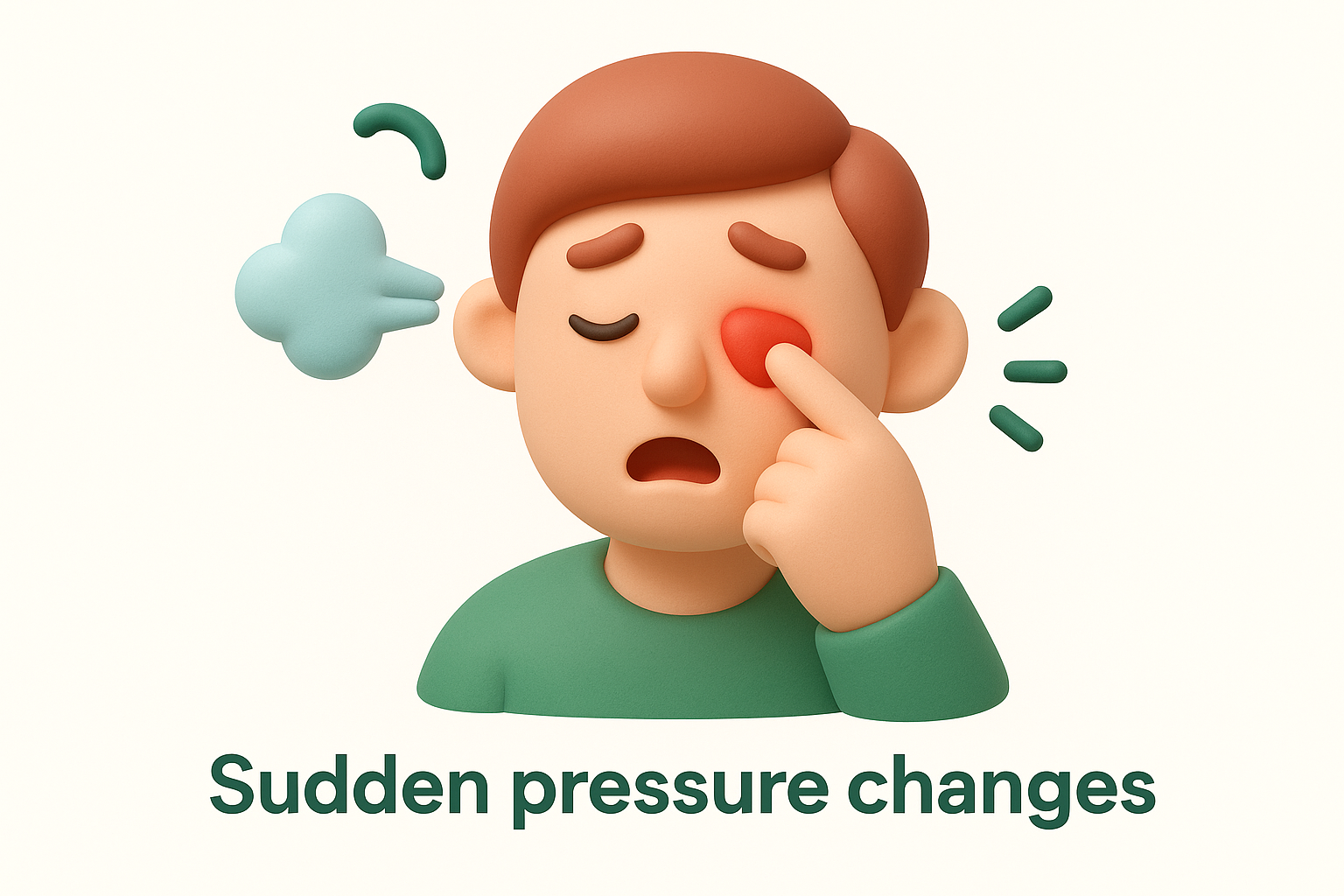
A single forceful sneeze can create enough pressure to burst a blood vessel in your eye.
Physical trauma to the eye
Rubbing your eyes too vigorously when they itch damages fragile vessels beneath the surface. Foreign objects like dust, grit, or an eyelash can scratch the conjunctiva and cause bleeding. Contact lens wearers sometimes poke their eyes while inserting or removing lenses. Even a minor bump to the face or head can result in a red patch if the impact jostles the tiny capillaries. Children occasionally suffer these bleeds after rough play or a stray toy hitting their eye.
Daily activities and habits
Prolonged screen time dries out your eyes and tempts you to rub them, which can lead to bleeding. Blood-thinning medications like aspirin or warfarin make vessels more prone to rupture with minimal trauma. Wearing contact lenses beyond the recommended schedule irritates your conjunctiva and increases bleed risk. Alcohol consumption dilates blood vessels, and excessive drinking sometimes triggers a hemorrhage during a coughing fit or while vomiting.
Underlying conditions and risk factors
While most eye bleeds happen after a sneeze or rub, certain health conditions make your blood vessels more fragile and prone to rupture. The reasons for popped blood vessel in eye sometimes point to chronic diseases that need better management. Your GP can assess whether an underlying issue is raising your risk. Regular health checks help you spot patterns and adjust treatment before repeat bleeds occur.
Medical conditions that weaken blood vessels
Diabetes damages tiny blood vessels throughout your body, including those in your eyes. High blood sugar levels weaken vessel walls and make them easier to burst. High blood pressure exerts constant strain on your capillaries, which increases the chance of rupture during normal activities. Blood clotting disorders like haemophilia or von Willebrand disease prevent proper healing after a vessel breaks, so bleeding lasts longer and recurs more often.
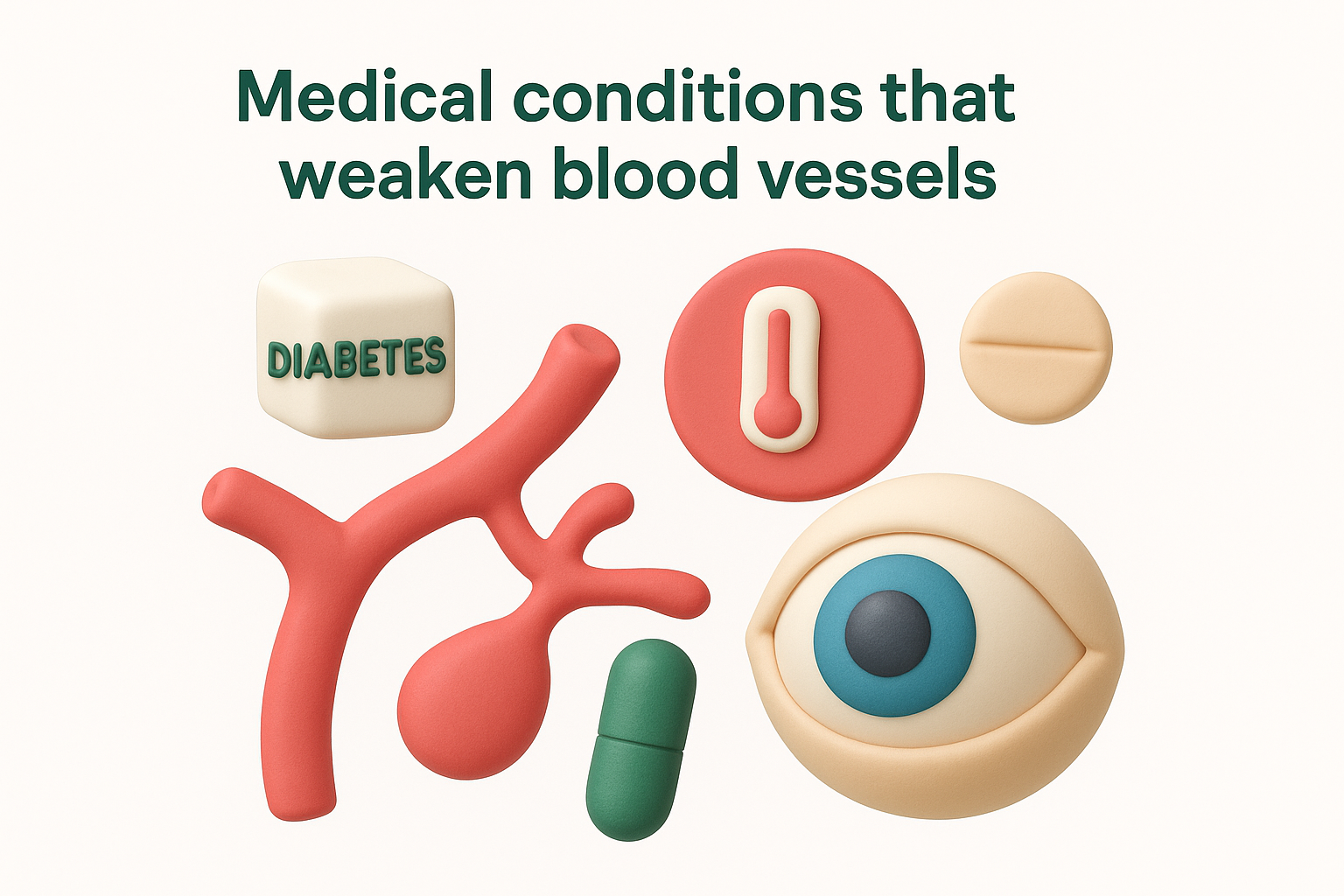
Your eyes often signal broader health issues before symptoms appear elsewhere.
Age and medication factors
People over 60 experience more subconjunctival hemorrhages because ageing naturally thins vessel walls. Blood-thinning medication such as warfarin, aspirin, or clopidogrel reduces your blood’s ability to clot quickly after a vessel bursts. Contact lens wearers face higher risk due to repeated eye touching and potential trauma during insertion. If you take these medications or fit into high-risk groups, discuss preventive strategies with your doctor.
When to see an eye specialist in Sydney
Most subconjunctival hemorrhages heal without medical intervention, but certain warning signs demand prompt attention. Book an appointment with an eye specialist if you experience pain, blurred vision, or light sensitivity alongside the red patch. These symptoms suggest the bleed might be deeper inside your eye rather than on the surface. Visit a specialist the same day if the hemorrhage followed direct trauma to your eye or head, as hidden damage can threaten your sight.
Repeated bleeds signal your blood vessels need professional assessment and care.
You also need expert review if bleeds happen more than once or twice within several months. Frequent episodes often point to uncontrolled diabetes, high blood pressure, or medication side effects that your GP and eye doctor should address together. The reasons for popped blood vessel in eye sometimes reveal broader health patterns. Bright Sight Eye Specialists in Randwick provides comprehensive eye assessments and can coordinate care with your other doctors to protect your long-term vision.

Looking after your eyes
Understanding the reasons for popped blood vessel in eye helps you respond calmly when that red patch appears. Most cases clear within two weeks without treatment, but repeated bleeds deserve attention from a specialist. Protect your eyes by managing chronic conditions like diabetes and high blood pressure, using artificial tears when screens dry them out, and wearing protective eyewear during risky activities. Avoid rubbing your eyes forcefully, even when they itch. If you experience pain, vision changes, or frequent hemorrhages, book a consultation with an eye specialist. Bright Sight Eye Specialists in Randwick provides comprehensive eye assessments and personalized care to protect your long-term vision and catch underlying health issues early.