


Most people only think about their eyes when something feels off, a bit of blur, a flash of light, or trouble reading fine print. But by that point, some conditions have already been progressing silently for months or even years. Knowing how often should you get an eye exam matters because many sight-threatening problems, from glaucoma to diabetic eye disease, show no early symptoms at all.
The right schedule depends on more than just whether you wear glasses. Your age, family history, general health, and specific risk factors all play a role in determining how frequently you need a comprehensive check. At Bright Sight Eye Specialists in Randwick, Dr Rahul Dubey and Dr Capucine Odouard see firsthand how early detection through routine eye exams can change outcomes, catching issues before they cause permanent damage.
This guide breaks down current recommendations by age group, health status, and risk profile so you can work out the right exam frequency for your situation.
What an eye exam includes and who does it
An eye exam is more than a quick check of whether you can read the letters on a chart. A comprehensive eye exam assesses the health of your entire eye, from the lens at the front to the retina at the back, and can detect early signs of conditions like glaucoma, macular degeneration, diabetic eye disease, and cataracts long before you notice any change in your vision. Understanding what is involved helps you appreciate why routine testing matters, even when your eyes feel perfectly fine.
The two main types of eye care providers
In Australia, optometrists are the primary point of contact for routine eye testing. They assess your vision, measure your prescription, and screen for common eye conditions during a standard appointment. When they find something that needs further investigation or treatment, they refer you to an ophthalmologist, a medical doctor who specialises in the diagnosis and surgical management of eye disease. Knowing this distinction helps you understand when a routine optometrist visit is sufficient and when you need a more specialised review.
Optometrists and ophthalmologists work as a team. Your optometrist is often the first to detect a problem, and your ophthalmologist handles anything that requires medical or surgical management.
What happens during a comprehensive eye exam
During a standard exam, your visual acuity, eye pressure, and peripheral vision are all tested. The clinician examines the internal structures of your eye, often using dilating drops so they can view the retina and optic nerve clearly. At a specialist level, additional tools such as optical coherence tomography (OCT) and fundus photography provide detailed imaging of the macula and surrounding tissue, picking up microscopic changes that are invisible without equipment. These tests are painless and typically take between 30 and 60 minutes depending on how many assessments are needed. If you are asking how often should you get an eye exam, part of the answer lies in what level of examination is appropriate for your specific risk profile.
Recommended eye exam schedule by age
Age is one of the most reliable guides for how often should you get an eye exam. As you get older, your risk of developing conditions like cataracts, glaucoma, and macular degeneration increases significantly, which means the recommended frequency shifts accordingly.
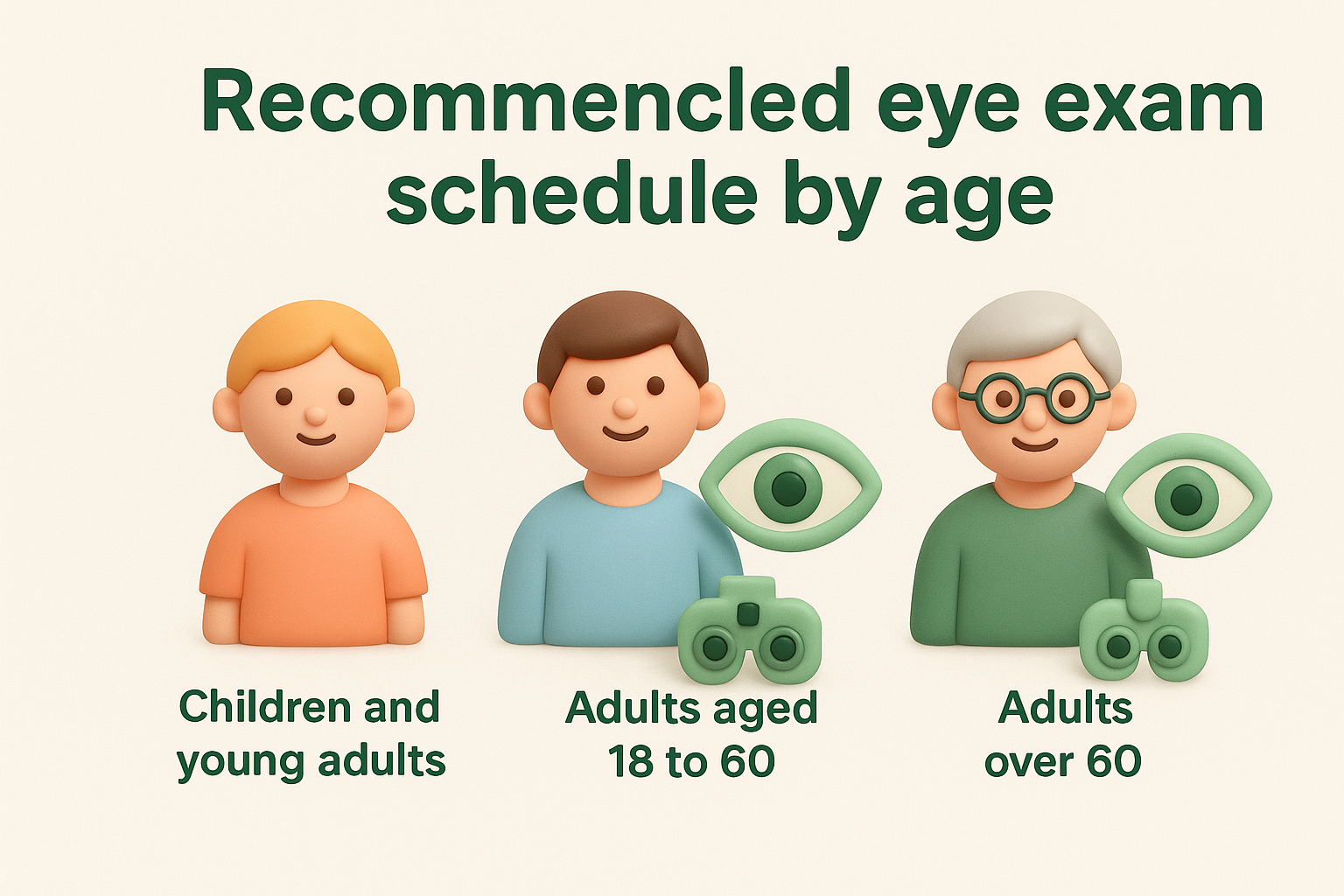
The older you get, the more critical routine eye checks become, even if your vision seems completely stable.
Children and young adults
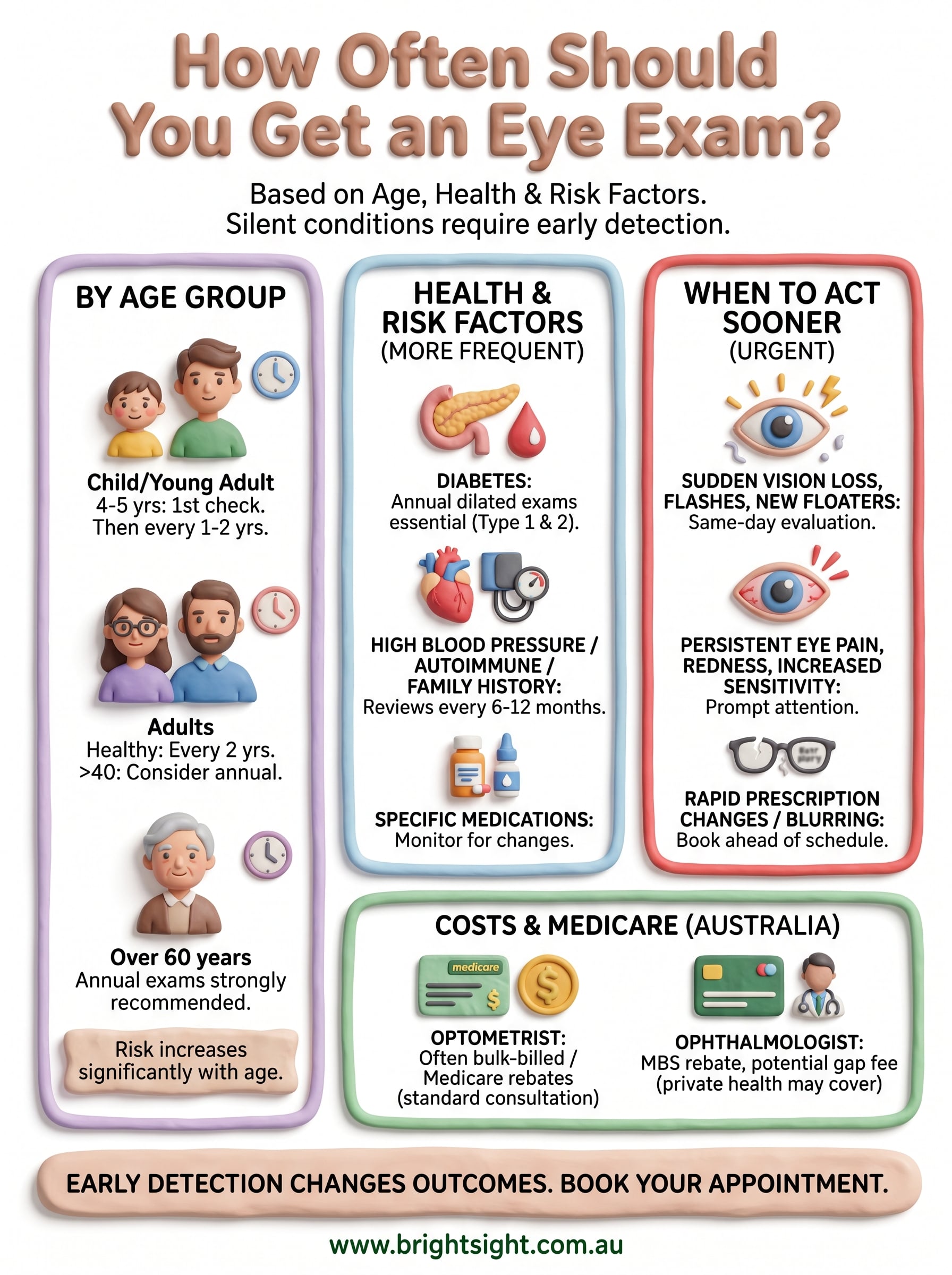
Children should have their first eye check before starting school, ideally around age 4 to 5. Good vision is directly tied to learning, and uncorrected vision problems can affect reading and academic development without any obvious complaints from the child. From school age through to 18, an exam every one to two years is appropriate unless an issue is already identified.
Adults aged 18 to 60
Healthy adults with no known risk factors can generally manage with an eye exam every two years. Once you reach 40, annual checks become more advisable as early signs of presbyopia, glaucoma, and macular changes become more common and easier to treat when caught at this stage.
Adults over 60
From 60 onwards, annual eye exams are strongly recommended by Australian ophthalmologists. The risk of sight-threatening conditions rises sharply with age, and early detection at this stage can prevent significant, permanent vision loss before symptoms appear.
When to book sooner than your usual schedule
Even if you are following the recommended timeline, certain symptoms and changes in your health mean you should book an appointment sooner rather than waiting. Knowing when to act quickly is just as important as understanding how often should you get an eye exam on a routine basis. Your eyes can signal problems that will not resolve on their own, and early review almost always leads to a better outcome.
If something feels different with your eyes, do not wait for your next scheduled check; act on it promptly.
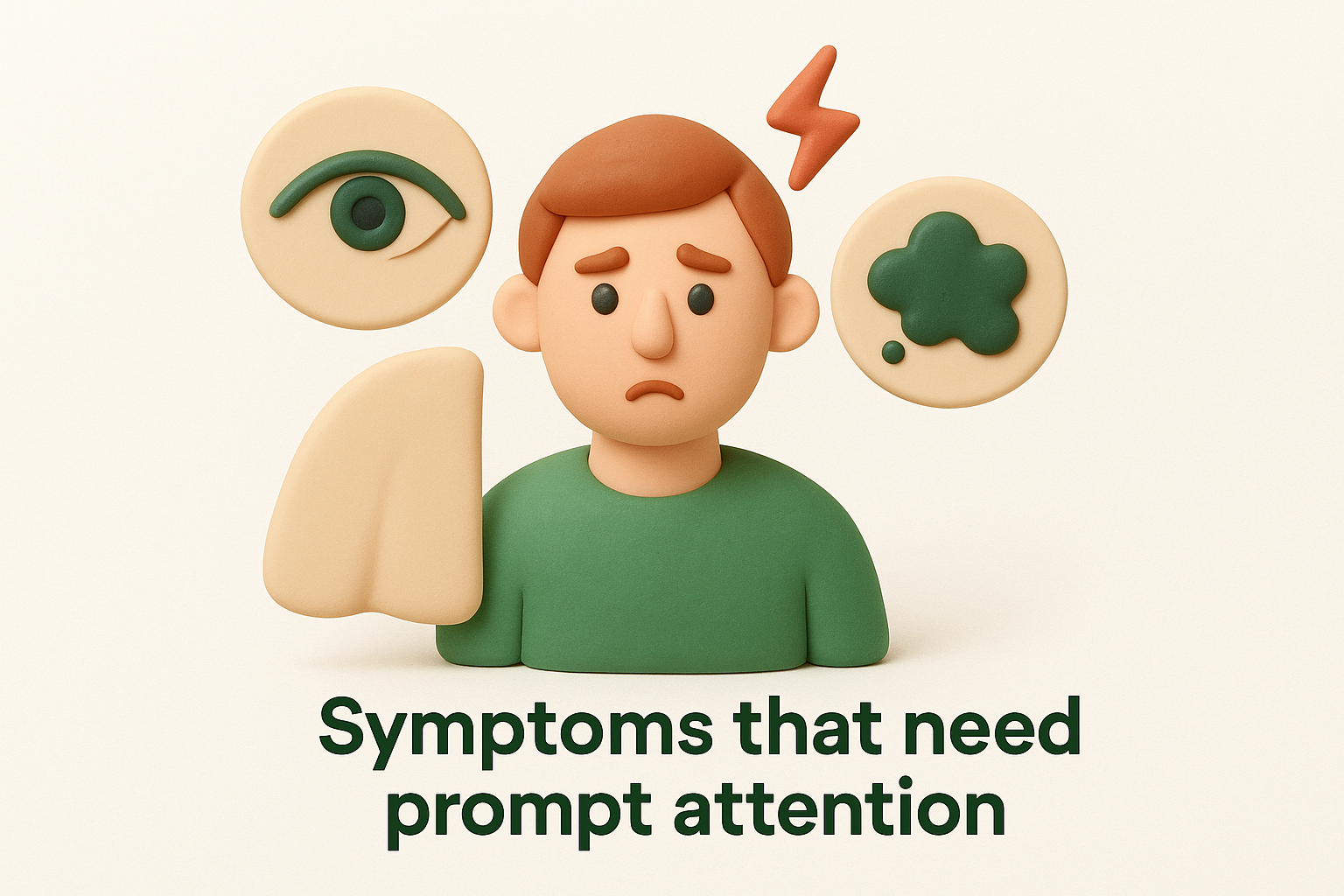
Symptoms that need prompt attention
Some changes in your vision signal a problem that requires urgent assessment. Sudden vision loss, new floaters, or flashes of light can indicate a retinal tear or detachment, which requires same-day evaluation. Persistent eye pain, redness, or a sudden increase in sensitivity to light may point to inflammation or infection that can worsen rapidly without treatment. The following symptoms all warrant an urgent booking:
- A curtain or shadow across part of your visual field
- Sudden double vision
- Eye injury from a foreign object or blunt trauma
Sudden changes to your prescription
If you notice that your glasses or contact lenses no longer correct your vision properly, do not wait until your next scheduled review. A rapid shift in your prescription can sometimes indicate early cataract development or changes linked to blood sugar levels.
Blurring that comes and goes, increasing glare at night, or difficulty reading under normal lighting are all reasons to book ahead of your usual schedule.
Health and lifestyle factors that change the timing
Your age bracket gives a useful starting point, but your personal health profile and daily habits can push that timeline forward considerably. If you have an underlying condition that affects your eyes, or a lifestyle that places extra strain on your vision, more frequent exams are the right call regardless of how old you are.
Chronic health conditions
Diabetes is the most significant driver of increased exam frequency. Diabetic eye disease can develop and progress without any symptoms, so Australian guidelines recommend annual dilated eye exams for anyone with Type 1 or Type 2 diabetes. Conditions like high blood pressure, autoimmune disorders, and a family history of glaucoma or macular degeneration also place you in a higher-risk category, and your ophthalmologist will typically recommend reviews every 6 to 12 months rather than every two years.
If you have diabetes, an annual eye exam is not optional; it is an essential part of managing your overall health.
Medications and screen use
Certain medications, including long-term corticosteroids and some antimalarial drugs, can cause changes inside the eye that require monitoring over time. Extended screen use alone does not damage your retina, but digital eye strain can mask other developing issues. Thinking about how often should you get an eye exam becomes especially relevant here, as your clinician can factor in all these variables and build a schedule suited to your situation.
Costs and Medicare basics in Australia
Understanding what you will pay helps you stay on top of how often should you get an eye exam without unexpected expenses becoming a barrier. In Australia, the cost structure differs depending on whether you see an optometrist or an ophthalmologist, and whether you hold private health insurance.
Medicare covers a standard optometrist consultation once every three years for most adults, but annual coverage applies if you are under 65 or have a diagnosed eye condition.
Optometrist visits
Medicare rebates apply to most standard optometrist consultations, meaning a bulk-billed appointment can cost you nothing out of pocket. Many optometrists offer bulk billing for eligible patients, including children, concession card holders, and those with specific medical needs. Gap fees vary between practices, so it is worth confirming before your appointment.
Seeing an ophthalmologist
An ophthalmologist consultation attracts a Medicare rebate under the MBS (Medicare Benefits Schedule), which reduces your out-of-pocket cost significantly. If your ophthalmologist bulk bills, you pay nothing. Some consultations attract a known gap fee, and your private health insurance may cover part of this depending on your level of cover. Surgical procedures like cataract surgery are also often available as no-gap options for insured patients at Bright Sight Eye Specialists, keeping costs clear and manageable from the outset.
Next steps for protecting your vision
Knowing how often should you get an eye exam is only useful if you act on it. The right frequency depends on your age, health, and risk profile, but the single most important step is simply booking your next appointment rather than waiting for symptoms to appear. Most serious eye conditions develop silently, and a routine check is the only reliable way to catch them early enough to make a real difference.
Your vision is worth protecting at every stage of life. Whether you are due for a routine review, have noticed a change, or carry a known risk factor like diabetes or a family history of eye disease, specialist care in a timely manner can preserve the sight you have now and into the future. To book an appointment with our experienced team in Randwick, contact Bright Sight Eye Specialists today.