


A pterygium is a fleshy, wedge-shaped growth on the surface of the eye that extends from the conjunctiva onto the cornea. It’s common in Australia, particularly among people who spend significant time outdoors, and while it may start as a minor cosmetic concern, understanding how does pterygium affect vision is important because the impact can be more serious than many people expect. Left alone, a pterygium can gradually distort the shape of your cornea, cause increasing astigmatism, and eventually obstruct your line of sight.
The symptoms don’t always appear overnight. Many people live with a pterygium for years before noticing changes to their vision, blurriness, irritation, or a persistent feeling that something is in their eye. By the time these symptoms become hard to ignore, the growth may already be altering the corneal surface and affecting how light enters the eye. That’s why early assessment matters.
At Bright Sight Eye Specialists in Randwick, our ophthalmologists, including Dr Rahul Dubey and Dr Capucine Odouard, regularly assess and treat pterygia across Sydney’s Eastern Suburbs. This article explains exactly what a pterygium does to your vision over time, the specific symptoms to watch for, and when surgical removal should be considered to protect your long-term eye health.
Why pterygium can change your eyesight
A pterygium starts on the conjunctiva, the thin membrane covering the white of your eye, but the real visual impact begins when the growth creeps onto the cornea. The cornea is responsible for focusing light precisely onto the retina. When a pterygium encroaches on this clear tissue, it physically pulls and distorts the corneal surface, changing its curvature and interfering with how light bends as it enters your eye. This is the core reason understanding how does pterygium affect vision matters: it is not just a surface-level irritation but a structural problem with measurable consequences for your sight.
The moment a pterygium reaches the cornea, it begins influencing how your eye focuses, even before you notice any blurring.
How the cornea gets distorted
The cornea needs to maintain a smooth, regular curve to produce clear vision. A growing pterygium applies mechanical tension to this curved surface, flattening some areas while steepening others. This uneven pressure creates irregular astigmatism, a condition where light rays focus at multiple points rather than a single sharp one. Unlike regular astigmatism, which glasses can correct predictably, the irregular kind caused by a pterygium is harder to compensate for because the distortion pattern varies across the cornea. Many people notice this as blurriness that their existing glasses do not fully fix.

Your vision can also change gradually as the growth advances. In earlier stages, the pterygium may cause only mild dryness or surface irritation without affecting sharpness. As it extends further toward the centre of the cornea, both the degree of astigmatism and the clarity of your central vision can worsen noticeably, often before you realise the growth is responsible.
Why UV exposure accelerates the problem
Australia’s intense ultraviolet radiation is one of the primary drivers of pterygium growth. UV radiation damages conjunctival cells over time, triggering an abnormal tissue response that causes the growth to spread. People who spend significant time outdoors without adequate eye protection, particularly in coastal and rural environments, face a higher risk of both developing a pterygium and experiencing faster progression toward the visual axis.
Faster growth means the cornea faces distorting pressure sooner. Wind, dust, and chronic dryness compound UV-related damage by keeping the ocular surface in a persistent state of low-grade inflammation, which encourages the pterygium to advance. Once growth accelerates, the rate of visual change can increase significantly, making regular monitoring important even when symptoms currently feel mild.
What vision changes to watch for
Recognising the early signs of a pterygium affecting your vision gives you the best chance of acting before the growth causes lasting changes. Symptoms often develop slowly, which means many people dismiss them as tiredness or general eye strain. Understanding how does pterygium affect vision in practical, day-to-day terms helps you identify when something more than minor irritation is happening.
Blurriness and difficulty focusing
The most common visual complaint is blurring that glasses or contact lenses do not fully correct. Because the pterygium distorts the corneal surface unevenly, standard prescriptions cannot fully compensate for the irregular shape. You may find that your vision feels sharper on some days and noticeably worse on others, particularly in bright sunlight or windy conditions that aggravate the ocular surface.
If your current prescription no longer corrects your vision properly, a pterygium may be the cause rather than a straightforward change in your refractive error.
Persistent irritation and surface symptoms
Beyond blurriness, a growing pterygium commonly produces redness, a gritty sensation, and persistent dryness. These surface symptoms occur because the abnormal tissue disrupts the tear film, the thin layer of moisture that keeps your cornea comfortable and optically smooth. When the tear film becomes unstable, your eye reacts with inflammation, which worsens both comfort and visual clarity.
You may also notice increased light sensitivity or a persistent feeling that something is stuck in your eye, even when nothing is there. These sensations tend to worsen after prolonged screen use or outdoor exposure. Tracking when symptoms appear and how often they occur helps your ophthalmologist assess how actively the pterygium is progressing.
How a pterygium affects the cornea over time
Over months and years, a pterygium does more than press against the corneal surface. The growth actively remodels the tissue beneath it, triggering an inflammatory process that can lead to changes in corneal structure that outlast the pterygium itself. Understanding how does pterygium affect vision over the long term means looking beyond the current size of the growth and considering the cumulative damage it causes if left untreated.
Scarring and permanent surface changes
As the pterygium advances, it can leave fibrous scar tissue on the cornea that persists even after the growth is removed. This scarring forms at the point where the pterygium adheres to and invades the corneal layers, and it affects how clearly light passes through the surface of your eye. Even if the pterygium is surgically removed later, pre-existing scarring may limit how much vision can be recovered, which is one reason earlier intervention generally produces better visual outcomes.
Corneal scarring from a long-standing pterygium can reduce the clarity of your vision permanently, making the timing of treatment a critical factor.
The scar tissue also disrupts the smoothness of the corneal epithelium, the outermost protective layer, which contributes to ongoing dryness, discomfort, and irregular light refraction even after surgery.
Risk of encroaching on the visual axis
The visual axis is the central zone of the cornea directly in line with your pupil. If a pterygium grows across this region, it physically blocks incoming light from reaching the retina accurately. At this stage, even standard visual tasks like reading or recognising faces become difficult. Reaching the visual axis represents a significant threshold in pterygium progression, and surgical removal becomes the only reliable way to restore functional sight.
When to get checked and what tests show
Knowing when to see an ophthalmologist is one of the most practical things you can take away from understanding how does pterygium affect vision. Many people delay because symptoms feel manageable, but by the time a pterygium is clearly affecting your sight, the cornea may already have sustained measurable changes. As a general guide, you should book an assessment if you notice persistent redness, blurring that your glasses no longer correct, or a visible fleshy growth on the white of your eye extending toward your iris.
Do not wait until vision loss becomes obvious before seeking an assessment, because earlier detection gives your ophthalmologist more options to protect your sight.
Signs that prompt a timely review
Several specific changes should prompt you to act sooner rather than later. Increasing light sensitivity, a worsening gritty sensation, or a noticeable shift in where the growth sits on your eye are all reasons to seek review promptly. If the leading edge of the pterygium appears to be moving toward your pupil, that signals active progression and warrants urgent evaluation.
What your ophthalmologist measures
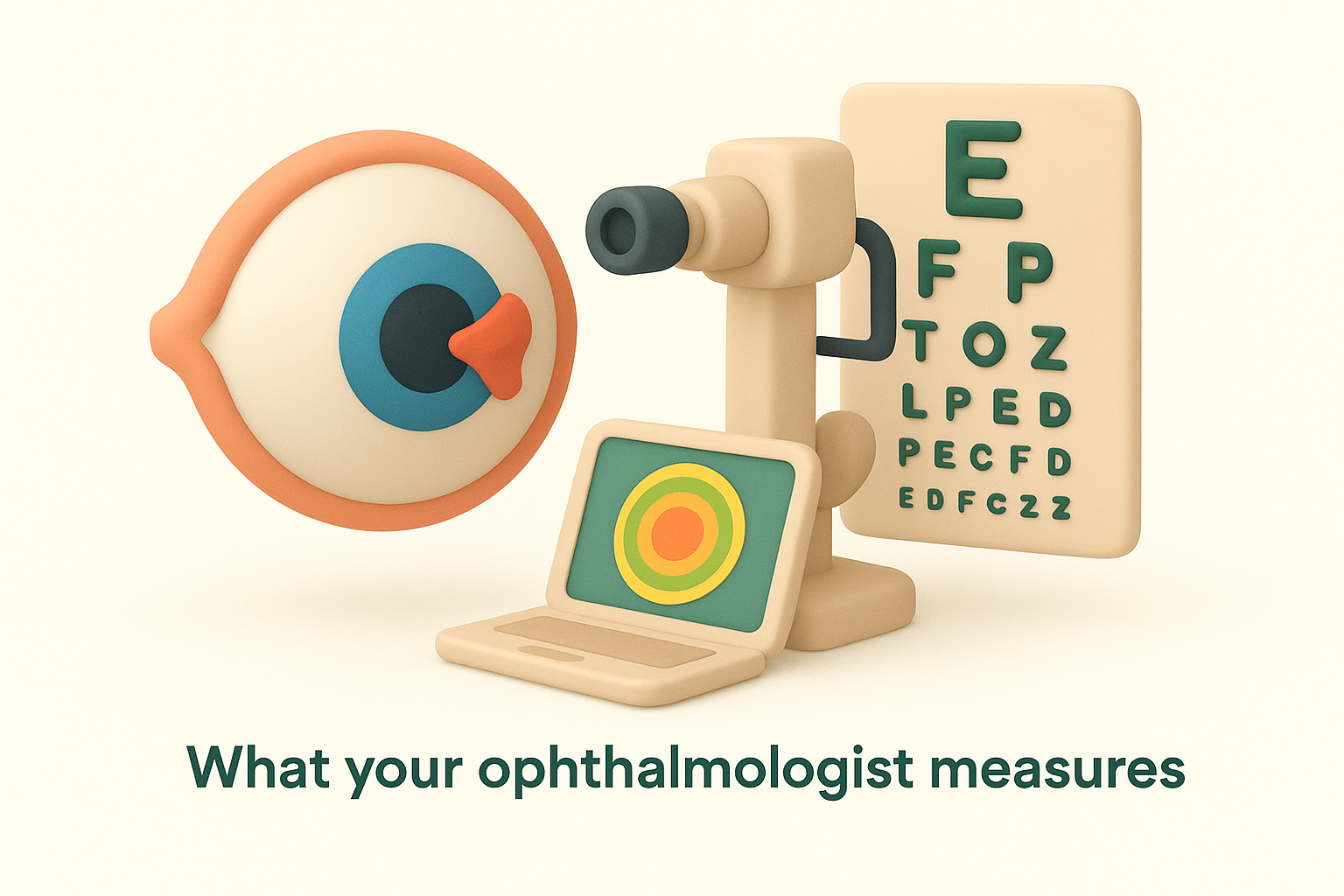
During an assessment, your ophthalmologist uses several tools to build an accurate picture of the pterygium’s impact. Corneal topography maps the curvature of your corneal surface, revealing distortion and astigmatism that may not yet show up in a standard vision test. A slit-lamp examination lets the clinician measure exactly how far the growth extends onto the cornea and assess the underlying tissue. Visual acuity testing confirms whether your current prescription is still appropriate or whether the pterygium has shifted your refractive error beyond what lenses can compensate for.
Treatment options and when surgery helps
Not every pterygium requires surgery straight away. How your ophthalmologist approaches treatment depends on how far the growth has progressed and how significantly it affects your comfort and vision. Understanding the full range of options is part of understanding how does pterygium affect vision and what can realistically be done about it at each stage.
Managing mild symptoms without surgery
When a pterygium is small and stable, your ophthalmologist may recommend lubricating eye drops to reduce irritation and protect the ocular surface from dryness. Wearing UV-blocking sunglasses and a broad-brimmed hat outdoors reduces the UV exposure that drives further growth, giving you a practical way to slow progression. These measures do not reverse existing corneal changes, but they can help keep symptoms manageable while the pterygium is monitored at regular intervals.
Conservative management works best when the growth has not yet reached the visual axis and corneal distortion remains mild.
When surgical removal is the right choice
Surgery becomes necessary when the pterygium is advancing toward your pupil, causing astigmatism that glasses cannot correct, or producing significant redness and discomfort that affects your daily life. The standard procedure involves removing the growth and covering the site with a conjunctival autograft, a small piece of tissue taken from under your eyelid. This approach significantly lowers the risk of the pterygium returning compared to older removal techniques.
At Bright Sight Eye Specialists, Dr Rahul Dubey and Dr Capucine Odouard assess each case individually to determine the right timing for surgery. Acting before the growth reaches the central cornea generally produces better visual outcomes and reduces the likelihood of permanent scarring limiting your recovery.

Next steps for protecting your sight
Understanding how does pterygium affect vision is the first step, but acting on that understanding is what protects your long-term sight. If you have noticed any of the symptoms discussed in this article, whether persistent blurriness, redness, or a visible growth on your eye extending toward the iris, the right move is to book a formal assessment rather than wait and see.
At Bright Sight Eye Specialists in Randwick, Dr Rahul Dubey and Dr Capucine Odouard provide thorough pterygium assessments using corneal topography and slit-lamp examination to measure exactly how far a growth has progressed and what it is doing to your corneal surface. Early review gives you more treatment options and reduces the risk of permanent changes that limit how much vision can be recovered after treatment. Contact our team today to get a clear picture of your eye health before the growth advances further.