


What you eat has a direct impact on your eye health. Research consistently shows that specific nutrients, found in everyday foods, can protect against conditions like macular degeneration, cataracts, and diabetic eye disease. If you’ve been searching for foods that improve eyesight naturally, the good news is that small dietary changes can make a measurable difference over time.
At Bright Sight Eye Specialists, our ophthalmologists Dr Rahul Dubey and Dr Capucine Odouard treat these conditions daily at our Randwick practice. We see firsthand how nutrition plays a supporting role alongside clinical treatment. That’s why we put this guide together, to give you practical, evidence-based advice you can act on straight away.
Below, we break down five foods worth adding to your plate, the key nutrients behind each one, and what the research actually says about their effect on your vision.
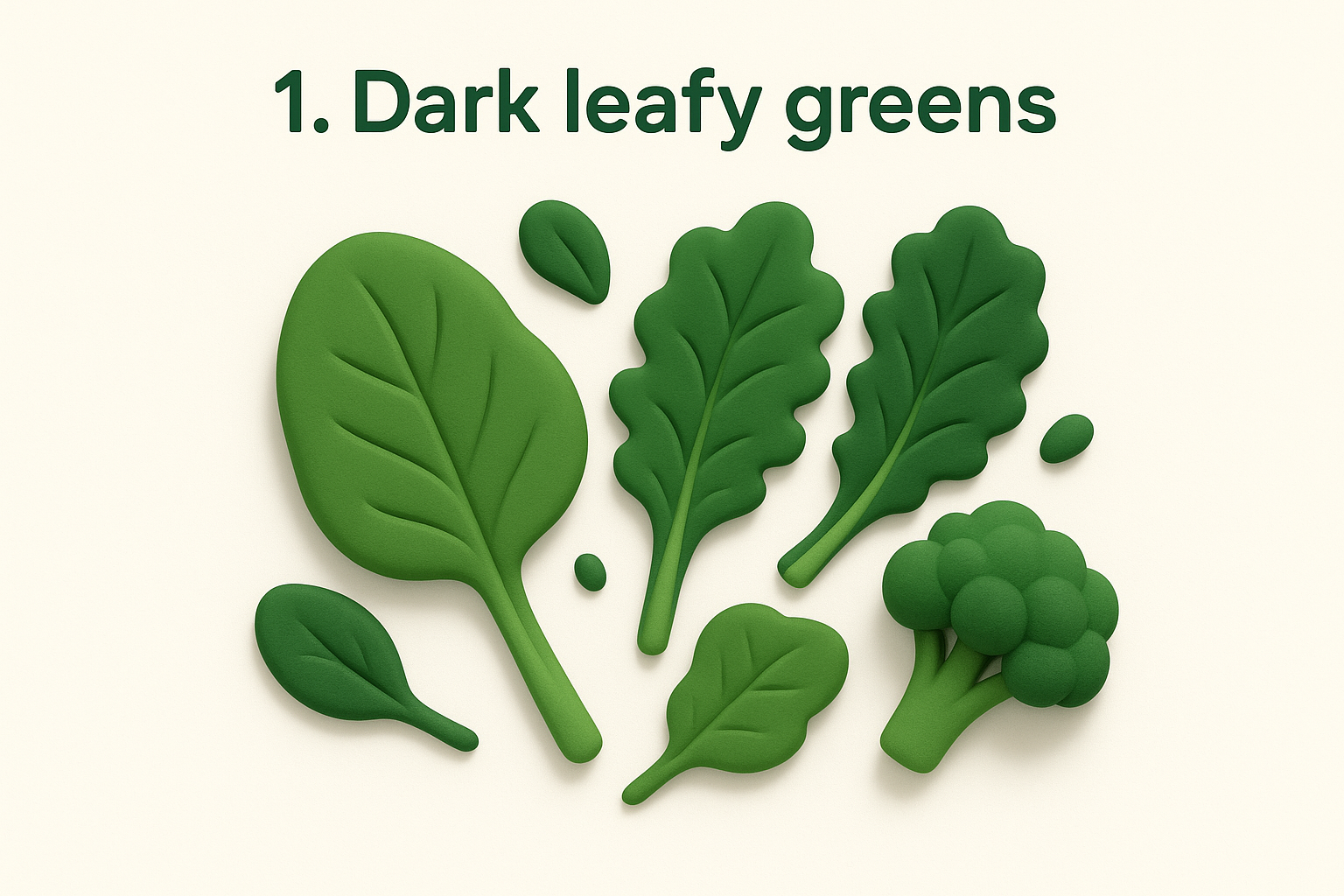
1. Dark leafy greens
Dark leafy greens are among the most well-researched foods that improve eyesight naturally. Vegetables like spinach, kale, and silverbeet are packed with nutrients that accumulate directly in the tissues of the eye, making them one of the most targeted foods you can eat for long-term vision protection.
The eye nutrients that matter most
The standout nutrients in dark leafy greens are lutein and zeaxanthin, two carotenoids that your body cannot produce on its own. You need to get them through food. Research from the National Eye Institute links higher dietary intake of these two compounds to a significantly reduced risk of age-related macular degeneration (AMD) and cataracts.
Studies, including the landmark AREDS2 trial, link higher lutein and zeaxanthin intake to a meaningfully reduced risk of advanced age-related macular degeneration in people already showing early signs of the condition.
How they support the retina and macula
Lutein and zeaxanthin concentrate in the macula, the central part of the retina responsible for sharp, detailed vision. They act as a natural filter, absorbing damaging blue light before it reaches the deeper retinal cells. They also neutralise free radicals that would otherwise cause oxidative damage to the retina over time.
Best options and serving ideas
Spinach and kale offer the highest concentrations of lutein and zeaxanthin per serving. Silverbeet, rocket, and broccoli are also solid choices. Cooking these vegetables with a small amount of olive oil increases absorption, because lutein is fat-soluble. Aim for two to three servings per week as a practical starting point.
Who benefits most and any cautions
Anyone over 50 or with a family history of macular degeneration stands to gain most from increasing leafy green intake. If you take blood-thinning medication like warfarin, speak to your doctor first, as leafy greens are high in vitamin K, which directly affects clotting.
2. Oily fish
Oily fish is one of the most valuable foods that improve eyesight naturally, thanks to the specific fats that your retinal cells depend on to function properly.
The eye nutrients that matter most
The key nutrient is DHA (docosahexaenoic acid), an omega-3 fatty acid. DHA is a structural component of the retina and your body produces very little of it independently, which makes regular dietary intake important.
How they support the retina and tear film
DHA maintains the integrity of photoreceptor cell membranes in the retina, which convert light into visual signals your brain can process. Omega-3s also reduce inflammation in the tear glands, supporting a stable tear film and reducing the severity of dry eye symptoms.
Higher dietary omega-3 intake is associated with a reduced risk of developing advanced age-related macular degeneration.
Best options and serving ideas
Salmon, sardines, mackerel, and trout provide the highest concentrations of DHA and EPA. Aim for two servings per week. Canned sardines and salmon are practical, affordable alternatives when fresh fish is not available.
Who benefits most and any cautions
People with dry eye disease or early signs of macular degeneration stand to gain most from regular oily fish consumption. If you take blood-thinning medication, speak to your doctor before using high-dose omega-3 supplements, as interactions are possible.
3. Eggs
Eggs are one of the most underrated foods that improve eyesight naturally. Despite their modest appearance, they deliver critical eye nutrients in a form your body absorbs far more efficiently than most plant-based sources.
The eye nutrients that matter most
Egg yolks contain lutein and zeaxanthin, the same carotenoids found in dark leafy greens, but your body absorbs them significantly better from eggs due to their natural fat content. They also provide zinc, a mineral that helps transport vitamin A to the retina and supports its day-to-day function.
How they support the macula and night vision
Lutein and zeaxanthin protect the macula from blue light damage, while zinc supports melanin production, the protective pigment in the eye. Zinc deficiency is linked to impaired night vision and an increased risk of AMD.
Research published in the Journal of Nutrition found that eating one egg per day measurably increased blood levels of both lutein and zeaxanthin in participants.
Best options and serving ideas
Whole eggs, not just whites, deliver the eye-specific nutrients. Poached or soft-boiled preparation preserves more nutrients than high-heat frying. Pairing eggs with leafy greens on the same plate further boosts carotenoid absorption across the whole meal.
Who benefits most and any cautions
Older adults and anyone at risk of macular degeneration or declining night vision benefit most from regular egg consumption. If you have elevated cholesterol, speak to your GP about appropriate intake before making changes to your diet.
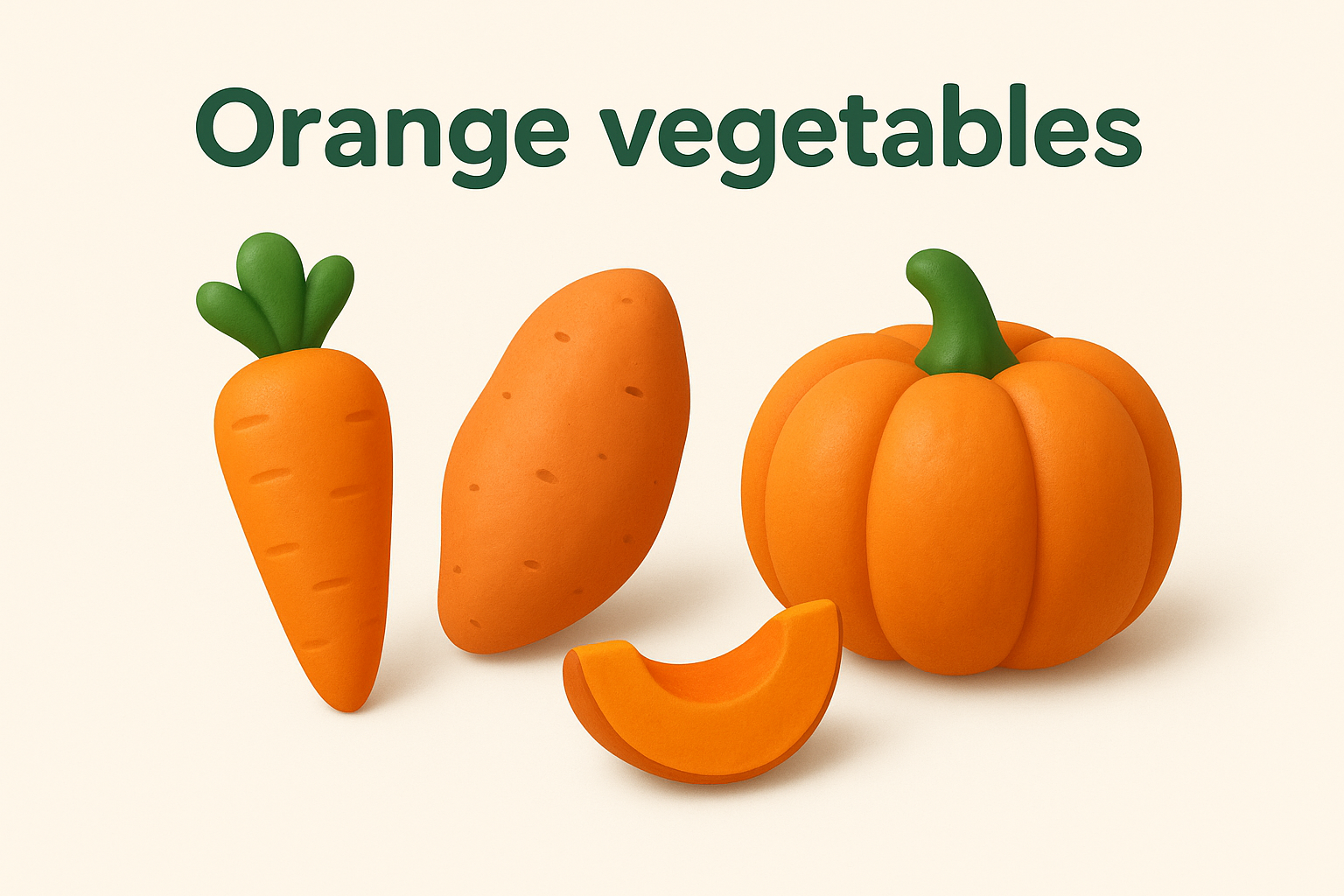
4. Orange vegetables
Orange vegetables are standout foods that improve eyesight naturally, particularly for people concerned about low-light vision and corneal health.
The eye nutrients that matter most
The key nutrient here is beta-carotene, a compound your body converts into vitamin A as needed. This conversion makes orange vegetables a practical and safe way to meet your vitamin A requirements through food alone.
How they support low-light vision and the cornea
Vitamin A is essential for producing rhodopsin, the light-sensitive pigment in your retinal rod cells. Without adequate vitamin A, night vision deteriorates and night blindness can develop.
According to the World Health Organisation, vitamin A deficiency remains the leading preventable cause of blindness in children globally.
Your cornea also requires sufficient vitamin A to stay clear and well-hydrated. Chronic deficiency can lead to corneal dryness and, in severe cases, permanent damage.
Best options and serving ideas
Carrots, sweet potato, and pumpkin are the most accessible Australian sources of beta-carotene. Roasting them in olive oil significantly improves absorption, since beta-carotene is fat-soluble.
Who benefits most and any cautions
People with limited dietary variety or conditions affecting fat absorption stand to gain the most from these vegetables. High-dose vitamin A supplements can cause toxicity, so food sources are the safer choice unless your doctor advises supplementation.
5. Nuts and seeds
Nuts and seeds are among the most practical foods that improve eyesight naturally, delivering concentrated antioxidants that most people fail to get enough of through their regular diet.
The eye nutrients that matter most
The standout nutrient here is vitamin E, a fat-soluble antioxidant that protects your eye cells from free radical damage. Many nuts and seeds also supply zinc and healthy fats, which support the absorption of other eye-specific nutrients you eat throughout the day.
How they support oxidative protection in the eye
Your eye is under constant oxidative stress from light exposure and oxygen. Vitamin E neutralises free radicals before they can damage the lens and retinal cells, which helps reduce your long-term risk of both cataracts and AMD.
The AREDS trial found that vitamin E, as part of a combined antioxidant formula, reduced the risk of advanced AMD progression in high-risk individuals.
Best options and serving ideas
Almonds, sunflower seeds, and hazelnuts provide the highest vitamin E concentration per serve. A small daily handful covers a meaningful share of your recommended intake without requiring any significant dietary changes.
Who benefits most and any cautions
People with diets low in fresh whole foods gain the most from adding nuts and seeds regularly. High-dose vitamin E supplements carry risks at excessive intakes, so food sources are the safer option for most people unless a doctor advises otherwise.
Next Steps
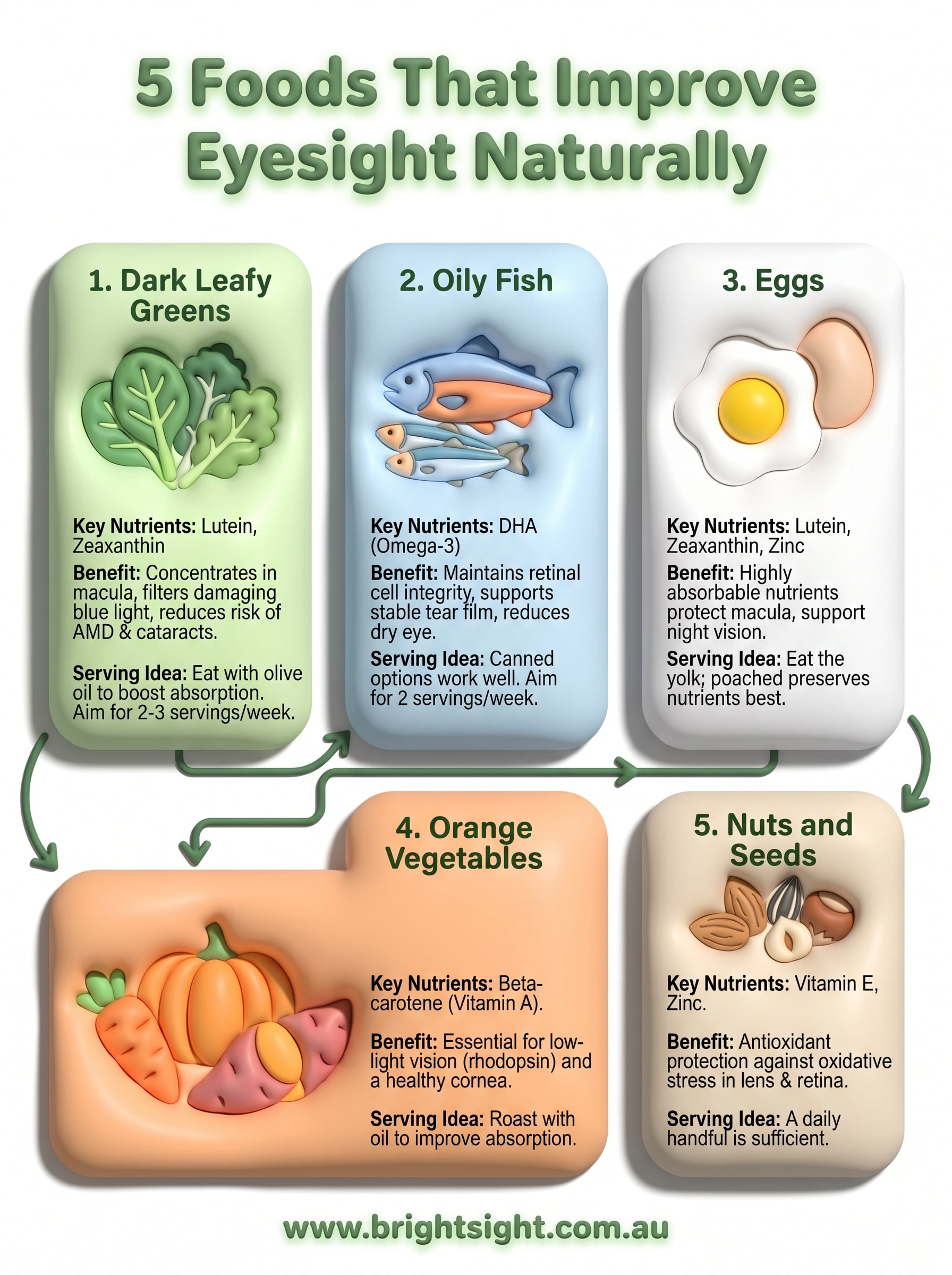
The five foods that improve eyesight naturally covered in this article, dark leafy greens, oily fish, eggs, orange vegetables, and nuts and seeds, each bring specific nutrients that your eyes depend on over the long term. Adding two or three of these to your regular meals is a practical step you can take this week, without overhauling your entire diet.
That said, nutrition supports eye health but does not replace clinical care. If you have noticed any changes in your vision, including blurred central vision, difficulty in low light, or increased eye strain, those are signs worth investigating with a specialist.
At Bright Sight Eye Specialists in Randwick, Dr Rahul Dubey and Dr Capucine Odouard offer thorough assessments and clear advice tailored to your specific situation. If you are ready to take the next step, book an appointment with our team today.