


Cataract surgery is one of the most commonly performed procedures in Australia, and the results are overwhelmingly positive. But for some patients, vision starts to cloud again weeks, months, or even years later. If you’re experiencing blurred or hazy sight after your lens replacement, you’re not alone, and it doesn’t mean your original surgery failed. In most cases, the solution is a straightforward eye surgery after cataract surgery known as YAG laser capsulotomy.
At Bright Sight Eye Specialists in Randwick, Dr Rahul Dubey and Dr Capucine Odouard regularly treat patients dealing with posterior capsule opacification (PCO), the most common reason additional treatment is needed after cataract removal. With training from Moorfields Eye Hospital and Sydney Eye Hospital respectively, our surgeons bring deep surgical expertise to every case, whether it’s a quick laser procedure or something more complex.
This article explains why your vision may have changed after cataract surgery, what treatment options are available, how procedures like YAG capsulotomy work, and what to expect during recovery. If you’re weighing up whether you need further treatment, this guide will give you the clear, practical information you need to make that decision with confidence.
What eye surgery after cataract surgery means
During cataract surgery, your surgeon removes the clouded natural lens from your eye and replaces it with a clear artificial intraocular lens (IOL). The IOL sits inside a thin, transparent membrane called the posterior lens capsule, which holds the new lens securely in position. Most people leave the procedure with dramatically improved vision and assume that’s the end of the story. For many, it is. For others, the capsule itself becomes cloudy over time, and their vision starts to deteriorate again, sometimes within months, sometimes years after the original operation.
The lens capsule and why it matters
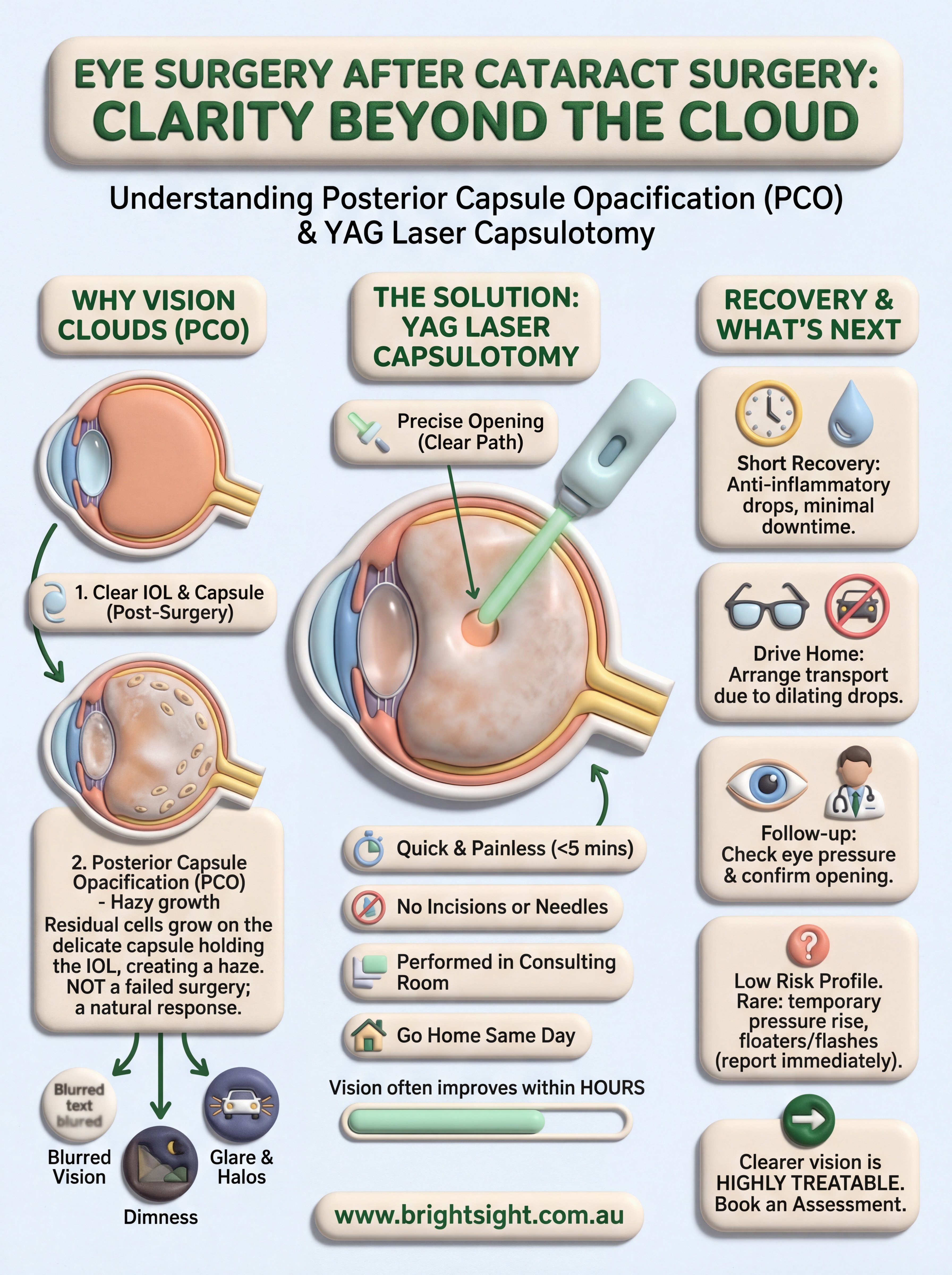
The posterior capsule is a delicate membrane your surgeon intentionally leaves in place to support the artificial lens. After surgery, residual cells on this membrane can grow and multiply, creating a haze across its surface. This process is called posterior capsule opacification (PCO), and it is by far the most common reason patients require further eye surgery after cataract surgery. Research suggests PCO affects between 20 and 40 per cent of patients within five years of their original procedure, making it a well-understood and routinely treated condition.
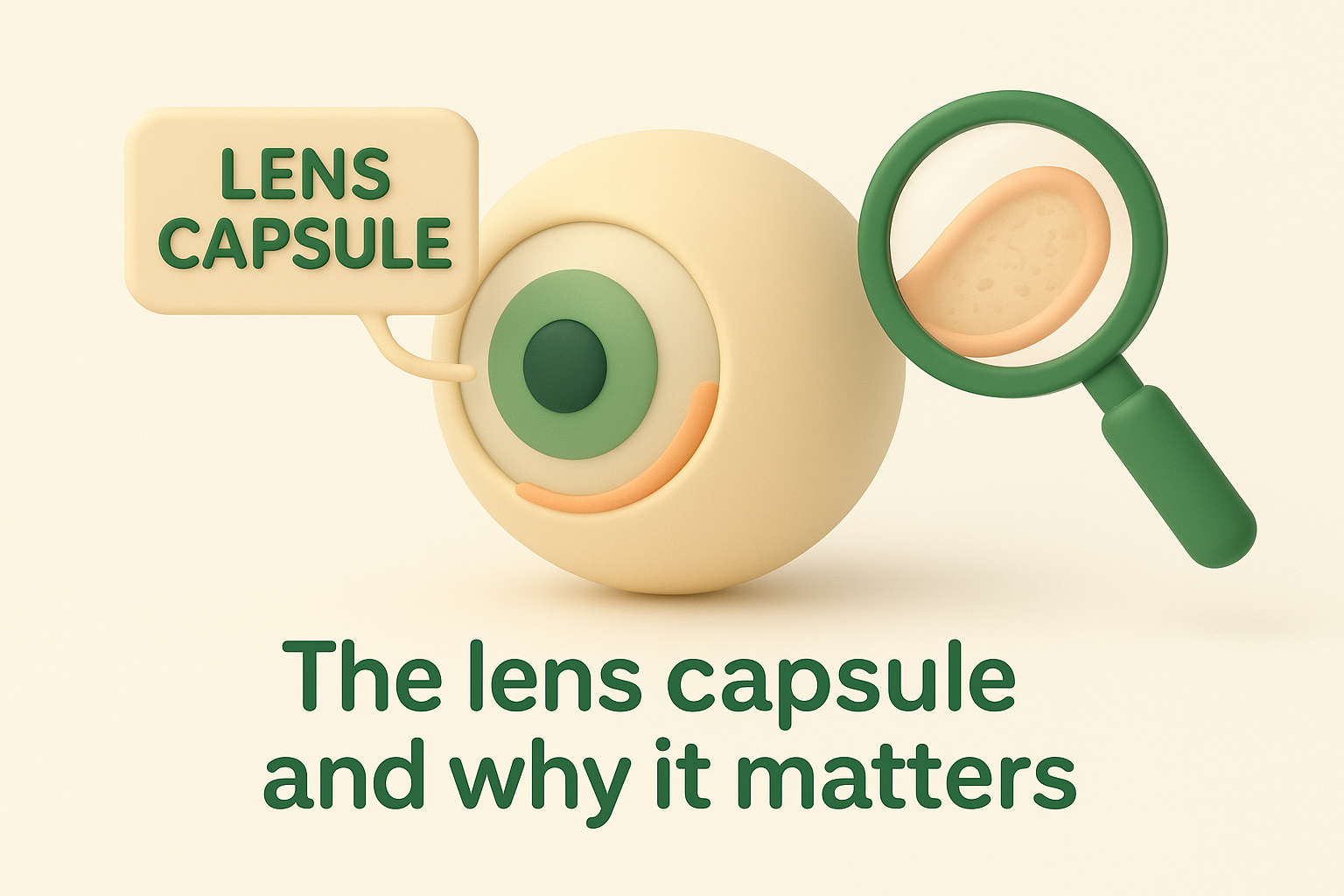
PCO is not a sign of failed surgery. It is a natural biological response that can happen to anyone, regardless of how smoothly the initial cataract removal went.
What secondary surgery actually involves
The term secondary eye surgery refers to any corrective procedure performed on the eye after the initial cataract removal. In the vast majority of cases, this means a YAG laser capsulotomy, a quick, painless laser treatment that typically takes under five minutes in the consulting room. No incisions are made, no anaesthetic injections are required, and you can go home the same day. Occasionally, secondary treatment involves something more involved, such as repositioning or replacing a displaced IOL, but these situations are significantly less common.
Recognising that your symptoms are linked to a treatable cause rather than a recurrence of cataracts is important. The natural lens cannot grow back once it has been removed, so any return of cloudy vision points to a different problem entirely. Knowing that distinction helps you seek the right assessment and avoid unnecessary worry.
Why you might need another procedure
Not every patient who has cataract surgery will need further treatment, but a meaningful proportion will. Several distinct conditions can develop after the initial procedure, each with its own symptoms and treatment pathway. Understanding why your vision has changed helps your surgeon recommend the right course of action quickly and accurately.
Posterior capsule opacification
PCO is the single most frequent reason patients need eye surgery after cataract surgery. As explained earlier, the lens capsule left behind during your original operation can develop a haze as residual cells grow across its surface. Your vision may become blurred, glary, or dim, and the change can happen so gradually that you barely notice it at first.
If your post-cataract vision was clear initially and then began to deteriorate, PCO is the most likely explanation and it is highly treatable.
Other conditions that may require treatment
PCO accounts for the majority of cases, but other issues can arise. A dislocated or tilted intraocular lens can shift out of position, particularly in people with certain connective tissue conditions or a history of eye trauma, causing blurred or distorted vision. Residual refractive error is another possibility: if the calculated lens power was slightly off, your vision may not be as sharp as expected, and a lens exchange or laser correction may help.
In rarer situations, complications such as cystoid macular oedema (swelling at the centre of the retina) or elevated eye pressure can reduce vision quality and require prompt clinical attention. Your surgeon will examine your eye thoroughly to identify the specific cause before recommending any treatment.
When cloudy vision points to capsule opacification
Posterior capsule opacification can mimic the original cataract experience closely enough that many patients assume their condition has returned. It hasn’t: once removed, the natural lens cannot regrow. What you’re noticing is the thin membrane behind your artificial lens turning hazy, and recognising the specific symptoms helps you identify when it’s time to seek further assessment for eye surgery after cataract surgery.
Recognising the symptoms of PCO
Blurred or hazy vision is the most consistent indicator, often affecting your ability to read small text or distinguish fine detail. You may also find that glare and halos around lights become more pronounced, especially when driving at night. Some patients describe a general dimness, as if looking through frosted glass.
Common symptoms to watch for include:
- Gradual blurring of central vision
- Increased sensitivity to bright or oncoming lights
- Halos around light sources at night
- Washed-out or faded colours
How quickly PCO develops
The timeline varies considerably from person to person. Some patients notice changes within six months of their original procedure, while others remain symptom-free for three to five years. Younger patients and those with certain intraocular lens designs tend to develop PCO at higher rates, though the condition can affect anyone.
If your vision was clear after cataract surgery and has since deteriorated, PCO is the most likely cause and it responds very well to treatment.
Regular post-operative check-ups allow your surgeon to spot early capsule changes before they significantly affect your daily vision, making follow-up appointments well worth attending.
How YAG laser capsulotomy works
YAG laser capsulotomy is the standard treatment for posterior capsule opacification and the most common form of eye surgery after cataract surgery. The procedure uses a focused beam of laser energy to create a small, precise opening in the cloudy capsule membrane sitting behind your artificial lens. Once that opening is made, light passes through clearly again and your vision typically improves within hours.
What happens during the procedure
Your surgeon begins by applying dilating drops and a topical anaesthetic to your eye, so you feel no discomfort during the treatment. A contact lens is then placed gently on your eye to help focus the laser precisely on the posterior capsule. The whole process takes under five minutes, and you remain seated throughout. No cuts, stitches, or injections are involved.
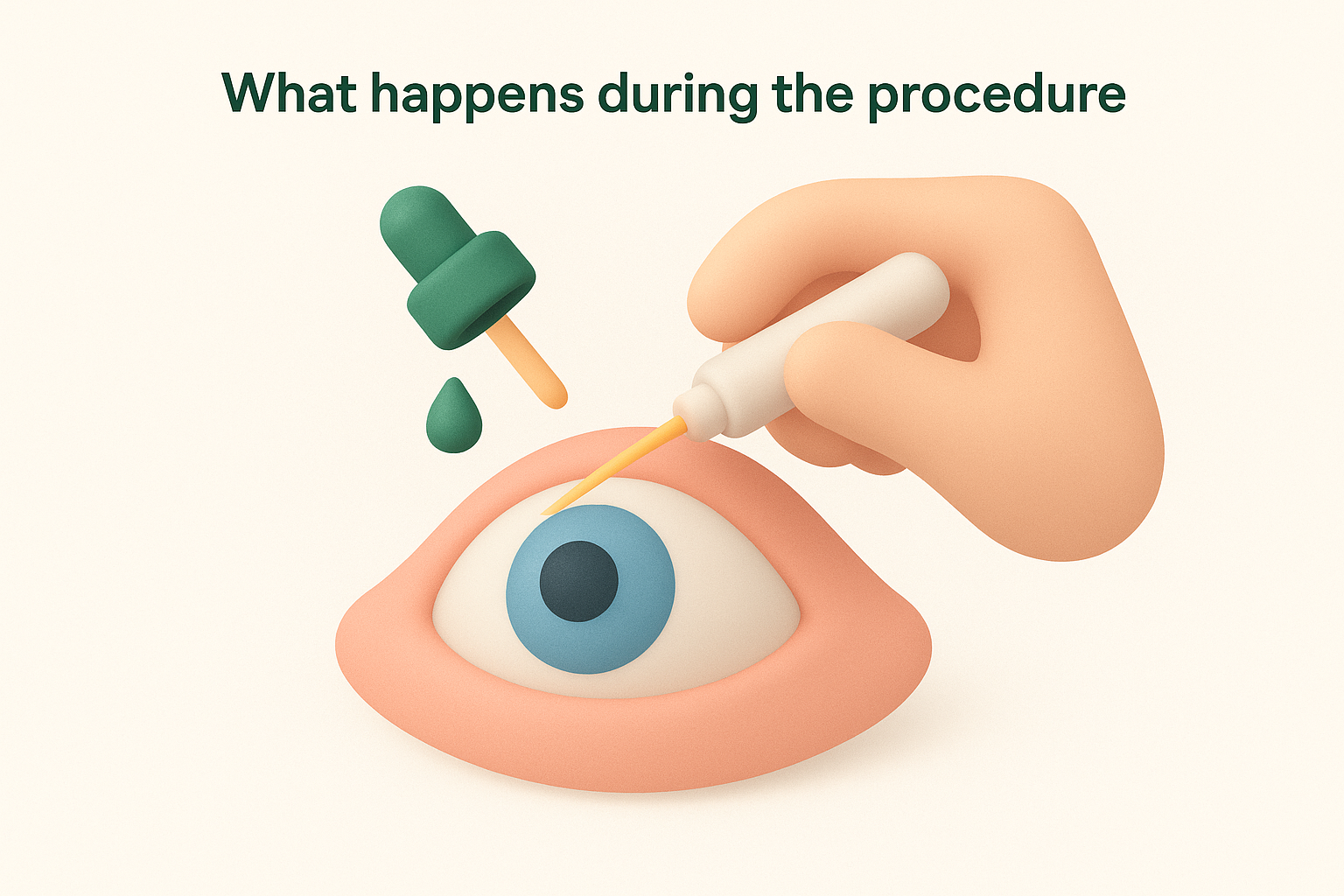
YAG laser capsulotomy is performed in the consulting room and does not require an operating theatre or general anaesthetic.
What to expect on the day
Most patients notice an immediate improvement in clarity once the procedure is complete, though some mild blurring or floaters can appear in the first few hours as your eye settles. You will need someone to drive you home because of the dilating drops, which temporarily affect your ability to focus up close. Your surgeon will ask you to return for a follow-up appointment, usually within a few weeks, to confirm your intraocular pressure has remained stable and that the opening in the capsule is functioning well. The results are typically permanent, with the vast majority of patients experiencing lasting clarity after a single treatment session.
Recovery, risks, cost and follow-up
Most patients find that recovery after YAG laser capsulotomy is straightforward and requires minimal downtime. Because this form of eye surgery after cataract surgery involves no incisions or anaesthetic injections, your eye typically recovers quickly and comfortably.
What recovery looks like
Vision often improves within hours of the procedure, though some patients notice floaters or mild haziness on the day itself as the eye adjusts to the new opening in the capsule. These effects generally resolve without any intervention. Your surgeon will prescribe anti-inflammatory eye drops for a short period to reduce any irritation, and you can usually return to normal daily activities the following day.
Avoid rubbing your eye and protect it from dusty or smoky environments for the first 48 hours after treatment.
Risks to be aware of
YAG capsulotomy carries a low overall risk profile, but it is worth understanding the possible complications. A temporary rise in intraocular pressure can occur shortly after the procedure, which is why your surgeon checks this at your follow-up appointment. In rare cases, the procedure can contribute to retinal detachment or displacement of the intraocular lens, so you should report any sudden increase in floaters, flashes of light, or a curtain-like shadow in your vision immediately.
Cost and Medicare in Australia
YAG laser capsulotomy is covered by Medicare when performed by a registered ophthalmologist, meaning most patients pay little or nothing out of pocket. If you hold private health insurance, any gap fees are typically modest. Your surgeon’s team will outline the exact costs clearly before your appointment so there are no surprises.
Next steps for clearer vision
If your vision has changed since your original cataract removal, the most important step is booking a thorough assessment with an experienced ophthalmologist. Posterior capsule opacification and other causes of post-operative visual decline are well-understood and highly treatable, and catching the problem early means a faster path back to clear sight. Putting off an appointment rarely helps and can allow symptoms to worsen unnecessarily.
Eye surgery after cataract surgery is a routine part of ophthalmic practice, and the team at Bright Sight Eye Specialists in Randwick is well placed to assess what is driving your symptoms and recommend the right treatment. Dr Rahul Dubey and Dr Capucine Odouard bring extensive surgical experience to every patient consultation, with a focus on straightforward communication and outcomes that match your lifestyle. Book a consultation with our team to take the first step towards clearer, more comfortable vision.