


Eye haemorrhage from diabetes happens when high blood sugar levels damage the tiny blood vessels in your retina. These weakened vessels can leak or burst, causing bleeding inside your eye that affects your vision. This condition usually develops as part of diabetic retinopathy, one of the most serious complications of poorly managed diabetes.
This article explains how diabetes causes eye bleeding, what warning signs to watch for, and when you need urgent medical attention. You’ll learn about the key risk factors that increase your chances of developing this condition, the diagnostic tests your eye specialist uses to detect problems early, and the treatment options available to protect your sight. We’ll also cover practical steps you can take to manage your diabetes and reduce the risk of vision loss.
Why diabetes increases the risk of eye bleeding
Your body relies on tiny blood vessels to supply oxygen and nutrients to your retina, the light-sensitive tissue at the back of your eye. When you have diabetes, high blood sugar levels gradually damage these delicate vessels over time. This damage makes the vessels weak, causing them to leak fluid and blood into surrounding tissue.
The damage process to retinal blood vessels
Elevated glucose in your bloodstream attacks the walls of retinal blood vessels, making them fragile and porous. The vessels develop small bulges that can rupture, releasing blood into your retina. As more vessels become damaged, some close off completely, cutting off blood supply to parts of your retina. This lack of oxygen triggers your eye to attempt a repair response, but this response often creates more problems than it solves.

The longer you have diabetes and the less controlled your blood sugar levels are, the greater your risk of developing serious eye complications.
When new blood vessels cause bleeding
Your eye responds to oxygen deprivation by growing new blood vessels on the surface of your retina. However, these vessels are abnormally fragile and grow in a disorganised pattern. They easily break and bleed into the vitreous, the clear gel that fills the centre of your eyeball. This type of bleeding characterises the advanced stage of the condition and represents a significant threat to your vision. The link between eye hemorrhage and diabetes becomes most dangerous at this proliferative stage, when bleeding can be sudden and severe enough to block your sight completely.
How to recognise symptoms and get diagnosed
Early detection of eye hemorrhage and diabetes complications depends on regular eye examinations, even before you notice any vision changes. Many people experience no symptoms in the early stages when treatment works best. By the time you notice problems, the condition may have already progressed to a more serious stage.
Warning signs you shouldn’t ignore
You might first notice small dark spots or wispy shadows floating across your vision. These floaters appear most obvious when you look at a bright, plain background like a white wall or clear sky. Blurred vision that comes and goes can signal blood vessel leakage, and the blurriness often improves or worsens depending on your blood sugar levels.
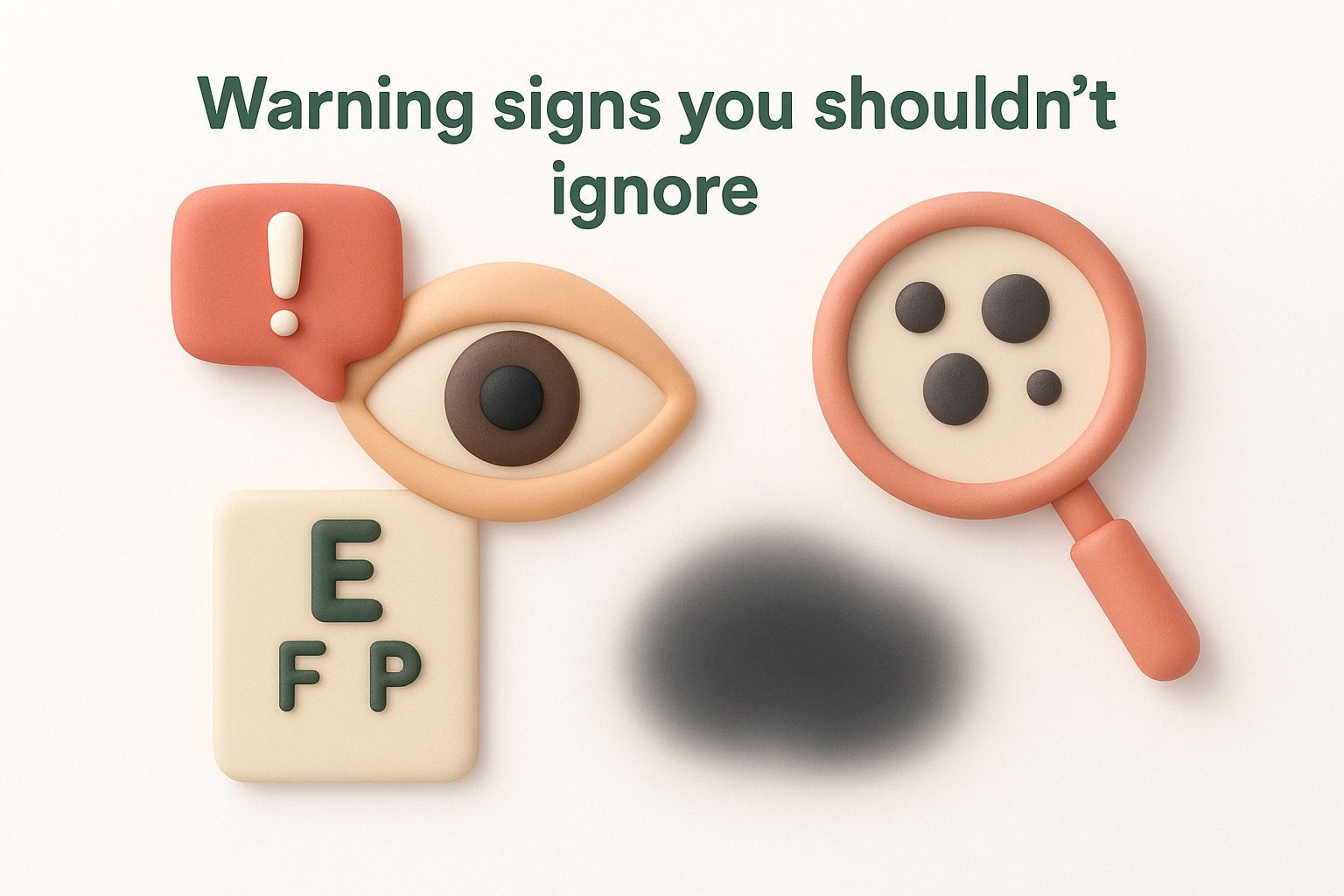
More severe bleeding creates larger dark areas in your field of vision or blocks your sight entirely. If this happens suddenly, you need emergency medical attention within hours, not days. Other warning signs include poor night vision, faded colours, and blank patches where your vision should be clear.
If you notice sudden vision changes or a shower of new floaters, contact your eye specialist immediately, as these symptoms can indicate serious bleeding that requires urgent treatment.
What happens during your eye examination
Your ophthalmologist will put dilating drops in your eyes to widen your pupils, allowing a complete view of your retina. They examine the retina through a special lens to check for damaged blood vessels, swelling, or bleeding. An optical coherence tomography (OCT) scan provides detailed cross-sectional images that reveal fluid buildup and measure retinal thickness. Fluorescein angiography may be used, where dye injected into your arm travels to your eye vessels, highlighting any leakage or blockages through specialized photography.
Key risk factors and complications
Understanding your personal risk factors helps you take preventive action before serious damage occurs. The relationship between eye hemorrhage and diabetes becomes more dangerous when certain conditions exist alongside your diabetes diagnosis. Your risk increases substantially with each additional factor you have.

Factors that increase your risk
Duration of diabetes stands as the single strongest predictor of eye complications. People who have had diabetes for more than 15 years face significantly higher risks than those diagnosed more recently. Poorly controlled blood sugar levels accelerate blood vessel damage, measured by your HbA1c test results. High blood pressure compounds the problem by putting extra stress on already weakened vessels, while high cholesterol contributes to blockages that starve your retina of oxygen.
Pregnancy creates additional risks for women with diabetes, as hormonal changes can worsen existing eye problems. Tobacco use directly damages blood vessels throughout your body, including those in your eyes. Your ethnic background also plays a role, with Aboriginal and Torres Strait Islander Australians, Pacific Islanders, and people of South Asian descent facing higher rates of diabetic eye complications.
Controlling multiple risk factors simultaneously provides far better protection than focusing on blood sugar alone, so work with your doctor to manage blood pressure, cholesterol, and other contributing conditions.
Serious complications from untreated bleeding
Retinal detachment becomes more likely when repeated bleeding creates scar tissue that pulls your retina away from the back of your eye. This causes permanent vision loss if not treated urgently. Glaucoma can develop when new blood vessels block the normal drainage of fluid from your eye, increasing internal pressure that damages your optic nerve. Complete blindness results when these complications remain untreated.
Treatment options for diabetic eye haemorrhage
Your treatment plan depends on how severe the bleeding is and whether new blood vessels have formed. Your ophthalmologist tailors your approach based on the stage of your condition, your overall health, and how well you respond to initial treatments. Multiple treatment methods often work together to give you the best possible outcome.
Medical management and injections
Controlling your blood sugar forms the foundation of all treatment for eye hemorrhage and diabetes complications. Good glucose management can stop vision loss from progressing and may even restore some clarity to your sight. Your doctor works with your diabetes care team to optimise your HbA1c levels and blood pressure, as these two factors directly influence how well your blood vessels heal.
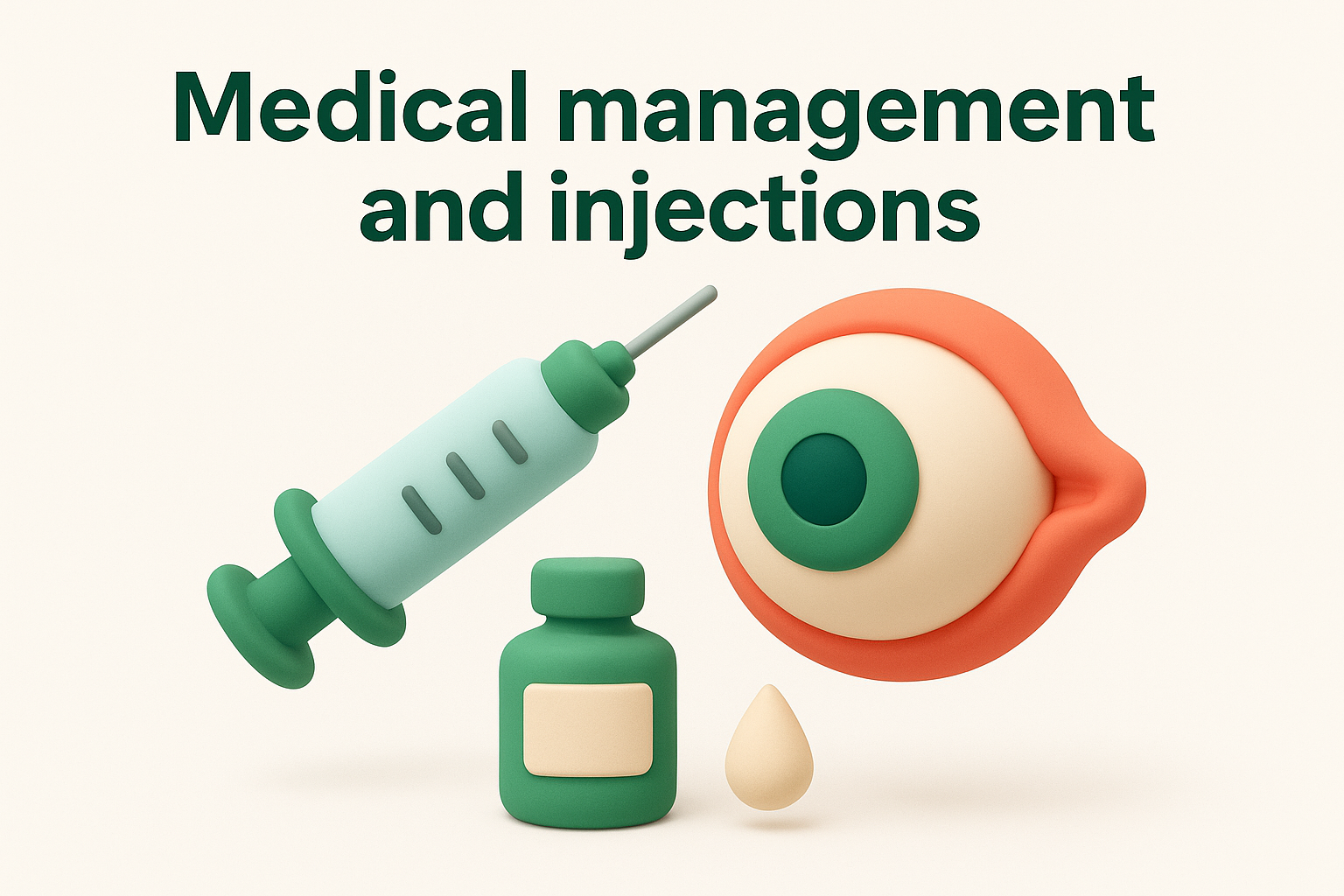
Anti-VEGF injections delivered directly into your eye help reduce swelling in your macula and slow the growth of abnormal blood vessels. These medications, including drugs like Eylea and Lucentis, block the proteins that trigger new vessel formation. You receive these injections during a brief office procedure, and most people need repeated treatments every few weeks or months depending on their response. Steroid injections offer an alternative option when anti-VEGF drugs don’t work well enough.
Treatment works best when started early, so don’t delay seeing your eye specialist if you notice any vision changes, as waiting can reduce your chances of a full recovery.
Laser and surgical procedures
Laser photocoagulation seals leaking blood vessels and destroys oxygen-starved areas of your retina, reducing the drive for new vessel growth. This treatment protects your central vision by deliberately sacrificing some peripheral sight. Your ophthalmologist may need multiple laser sessions to achieve the desired result.
Vitrectomy surgery removes blood-filled vitreous gel from your eye when bleeding is severe or doesn’t clear on its own. Your surgeon replaces the cloudy gel with a clear solution, restoring light passage to your retina. This procedure also allows your specialist to remove scar tissue and repair retinal detachment during the same operation.
Living with diabetes and protecting your sight
Your daily habits directly influence whether you develop complications from eye hemorrhage and diabetes. Consistent blood glucose monitoring forms the cornerstone of prevention, as maintaining stable levels protects your blood vessels from further damage. You need to check your levels as often as your doctor recommends, which may be multiple times daily depending on your treatment plan.
Daily actions that protect your vision
Regular physical activity helps control your blood sugar and improves blood flow throughout your body, including to your eyes. Aim for at least 150 minutes of moderate exercise each week, such as brisk walking or swimming. Your diet matters just as much, with healthy eating patterns that keep your glucose, blood pressure, and cholesterol within target ranges recommended by your diabetes care team.
Taking your prescribed medications exactly as directed, whether tablets or insulin, prevents the blood sugar spikes that accelerate blood vessel damage in your eyes.
Annual dilated eye examinations catch problems before you notice symptoms, giving you the best chance of successful treatment. Book these appointments even when your vision seems perfect, as silent damage often occurs years before vision loss becomes apparent.

Looking after your eyes
Protecting your vision when you have diabetes requires proactive management and regular professional monitoring. The connection between eye hemorrhage and diabetes means you cannot afford to skip annual eye examinations or ignore warning signs like floaters and blurred vision. Early detection gives you the best chance of preserving your sight through effective treatment options ranging from injections to laser therapy.
Your daily choices about blood sugar control, blood pressure management, and healthy lifestyle habits directly influence whether complications develop. Taking prescribed medications consistently, eating well, exercising regularly, and attending scheduled appointments with both your diabetes care team and eye specialist form your strongest defence against vision loss.
If you need expert care for diabetic eye conditions, Bright Sight Eye Specialists provides comprehensive assessment and advanced treatment options in Randwick, Sydney, helping you protect your vision for the long term.