


Your eyes process roughly 80% of what you perceive about the world around you. Yet eye health often gets overlooked until something goes wrong, a sudden blur, persistent floaters, or gradual dimming that creeps in so slowly you barely notice. The good news? Many vision problems are preventable or manageable when caught early.
At Bright Sight Eye Specialists in Randwick, Dr Rahul Dubey and his team see firsthand how simple daily habits and regular check-ups make a genuine difference in preserving sight. Whether you’re concerned about age-related changes, managing diabetes, or simply want to keep your eyes in peak condition, understanding what helps, and what harms, your vision puts you in control.
This guide covers 10 practical tips to protect your eyesight, from nutrition and screen habits to knowing when symptoms need professional attention. You’ll also learn about common conditions like macular degeneration, cataracts, and diabetic eye disease, plus the warning signs that shouldn’t be ignored. Let’s get into it.
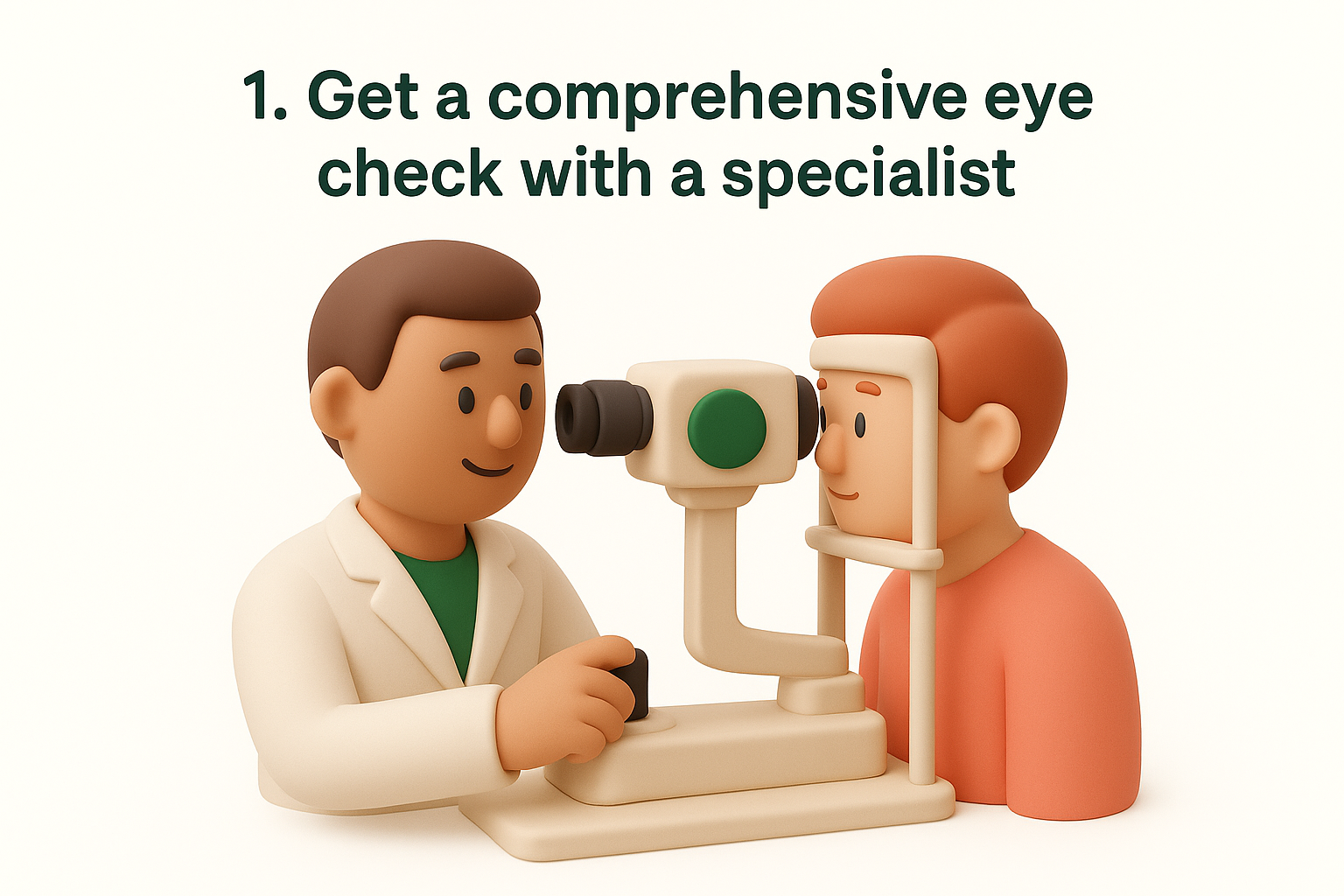
1. Get a comprehensive eye check with a specialist
Regular eye tests from an optometrist serve you well for glasses and basic screening, but a specialist eye examination goes much deeper. When you visit an ophthalmologist like Dr Rahul Dubey at Bright Sight Eye Specialists, you receive detailed imaging, pressure measurements, and a full assessment of your retina, macula, and optic nerve. These checks detect early signs of serious conditions that often show no symptoms until vision loss begins.
What this tip does
A comprehensive specialist exam catches problems early, often before you notice any changes yourself. Your ophthalmologist examines the inner structures of your eye using advanced equipment that reveals damage from diabetes, high blood pressure, glaucoma, macular degeneration, and other conditions. Early detection means treatment works better, and in many cases, you can preserve vision that would otherwise be lost.
The difference between a routine eye test and a specialist examination can be the difference between preserving your sight and facing irreversible damage.
Specialist checks also establish a baseline record of your eye health, making it easier to spot subtle changes over time. For conditions like diabetic retinopathy or age-related macular degeneration, this ongoing monitoring guides treatment decisions and helps your doctor act before permanent harm occurs.
How to do it in daily life
Book a specialist eye examination every one to two years if you’re over 40, or annually if you have diabetes, high blood pressure, or a family history of eye disease. You don’t always need a referral from your GP, though having one can help with Medicare rebates and private health insurance claims. Between appointments, keep a simple record of any vision changes, no matter how minor, so you can discuss them during your next visit.
Prepare for your appointment by bringing your current glasses or contact lenses, a list of medications you take, and details about any eye conditions in your family. These details help your ophthalmologist build a complete picture of your risk factors and tailor their examination accordingly.
When to book an appointment
Schedule a specialist check immediately if you notice sudden vision loss, flashes of light, a curtain or shadow across your vision, or a sudden increase in floaters. These symptoms can signal serious problems like retinal detachment or vitreous haemorrhage that need urgent attention. Don’t wait for these warning signs to worsen or disappear on their own.
Even without symptoms, book your appointment if you have diabetes, high blood pressure, or if anyone in your immediate family has had glaucoma, macular degeneration, or retinal detachment. Your first specialist exam sets the foundation for long-term eye health monitoring.
2. Know what a normal change vs a warning sign looks like
Your vision changes naturally as you age, but knowing the difference between normal aging and serious warning signs helps you respond quickly when it matters most. Some changes, like needing reading glasses after 40, happen to almost everyone. Others, like sudden flashes or shadows, signal problems that need immediate specialist attention. Understanding what’s typical and what’s not protects your eye health and prevents permanent damage.
What this tip does
Learning to recognise warning signs gives you the knowledge to act fast when something goes wrong. Many serious eye conditions, including retinal detachment and acute glaucoma, cause sudden symptoms that need treatment within hours or days to save your vision. By knowing what’s normal, you avoid unnecessary panic over harmless changes while staying alert to genuine emergencies that require urgent care from an ophthalmologist.
How to do it in daily life
Expect gradual changes like needing brighter light for reading or mild difficulty focusing on close objects after age 40. These shifts develop slowly over months or years. Watch for sudden changes including flashes of light, a rapid increase in floaters, dark shadows or curtains across your vision, sudden blurred vision, eye pain with redness, or halos around lights. Keep a mental note of what’s normal for your eyes so you recognise when something feels different.
Sudden vision changes almost never fix themselves, and waiting to see if symptoms improve can cost you your sight.
When to book an appointment
Contact Bright Sight Eye Specialists immediately if you experience flashes, sudden floaters, vision loss, or a shadow in your field of view. Ring your ophthalmologist the same day for persistent eye pain, sudden blurred vision, or halos around lights. For gradual changes like needing stronger reading glasses, schedule a routine appointment within a few weeks.
3. Protect your eyes from UV every day
Ultraviolet radiation damages your eyes just like it harms your skin, and the effects accumulate over your lifetime. Prolonged UV exposure accelerates cataracts, increases your risk of macular degeneration, and can cause painful conditions like pterygium (a growth on the white of your eye). In Australia’s harsh sun, protecting your eye health from UV isn’t optional, it’s essential for preserving your vision long-term.
What this tip does
Daily UV protection shields the delicate structures inside your eye from radiation that causes permanent damage. Your cornea, lens, and retina all suffer from UV exposure, leading to earlier onset of cataracts and faster progression of age-related macular degeneration. Consistent protection reduces these risks significantly, particularly in Australia where UV levels reach extreme highs even on cloudy days.
Unprotected UV exposure doesn’t just affect your eyes today, it builds damage that shows up as vision loss years or decades later.
How to do it in daily life
Wear sunglasses marked UV400 or 100% UV protection whenever you’re outdoors during daylight hours, including cloudy days when UV rays still penetrate cloud cover. Choose wraparound styles that block UV from the sides, and pair them with a broad-brimmed hat for extra coverage. Keep backup sunglasses in your car so you’re never caught without protection.
Replace damaged or scratched sunglasses promptly, as scratches can reduce UV blocking effectiveness. Avoid cheap sunglasses without proper UV certification, they darken your vision and cause your pupils to dilate, actually increasing UV exposure to your retina.
When to book an appointment
Schedule an appointment if you develop a persistent red or irritated patch on the white of your eye, especially if it’s raised or growing. Contact Bright Sight Eye Specialists if you notice vision changes after extended outdoor exposure or if you’ve never had UV damage assessed during a comprehensive eye examination.
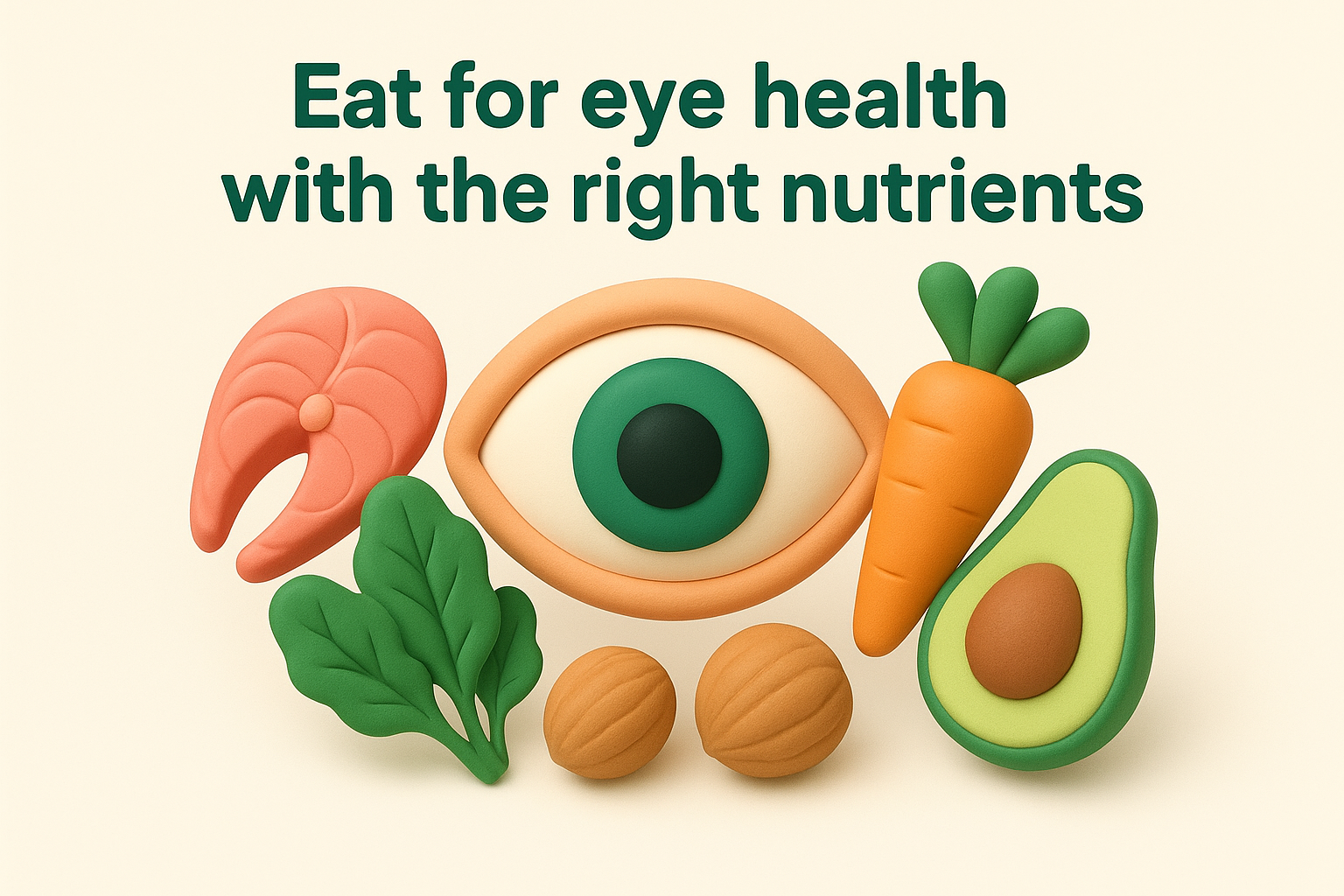
4. Eat for eye health with the right nutrients
What you put on your plate directly affects your vision, and specific nutrients actively protect against age-related macular degeneration, cataracts, and other conditions that threaten sight. Your retina and macula need particular compounds to maintain their structure and function, and getting these from food gives your eyes the raw materials they need to stay healthy as you age.
What this tip does
Targeted nutrition supplies antioxidants and essential fats that shield your retina from oxidative damage, the process that accelerates macular degeneration and cataract formation. Lutein and zeaxanthin concentrate in your macula where they filter harmful blue light and neutralise free radicals before they damage photoreceptor cells. Omega-3 fatty acids support the structure of cell membranes in your retina and help prevent dry eye and inflammation.
Studies show that people who eat diets rich in specific eye nutrients have significantly lower rates of age-related vision loss.
How to do it in daily life
Focus on leafy greens like spinach, kale, and silverbeet which deliver high concentrations of lutein and zeaxanthin. Add oily fish such as salmon, sardines, or mackerel twice weekly for omega-3s, or choose walnuts and flaxseed if you prefer plant sources. Include orange and yellow vegetables like carrots, sweet potato, and capsicum for beta-carotene (which your body converts to vitamin A), and snack on almonds, sunflower seeds, or hazelnuts for vitamin E.
When to book an appointment
Schedule a check-up with Bright Sight Eye Specialists if you’ve been diagnosed with early macular degeneration and want guidance on specific supplements that might slow progression. Contact your ophthalmologist if you notice vision changes despite improving your diet, as nutrition supports eye health but doesn’t replace medical treatment when disease is already present.
5. Control diabetes and blood pressure to protect vision
High blood sugar and blood pressure damage the tiny blood vessels in your retina, causing vision loss that starts silently and progresses without symptoms. Diabetic retinopathy affects roughly one in three people with diabetes, while hypertensive retinopathy occurs when sustained high blood pressure weakens and damages retinal vessels. Both conditions can steal your sight permanently if left unmanaged, but controlling these chronic diseases protects your eye health effectively.
What this tip does
Maintaining blood sugar and blood pressure within target ranges prevents new damage to your retinal blood vessels and slows progression of existing problems. Your retina relies on a network of tiny capillaries to deliver oxygen and nutrients, and when diabetes or hypertension damages these vessels, they leak fluid, bleed, or form scar tissue that destroys photoreceptor cells. Consistent control reduces this damage significantly.
Keeping your HbA1c below 7% and blood pressure under 130/80 cuts your risk of diabetic eye disease by more than half.
How to do it in daily life
Monitor your blood sugar and blood pressure regularly using a home glucose metre and blood pressure cuff, recording results to share with your GP. Take prescribed medications consistently, even when you feel fine, as both conditions damage your eyes before causing noticeable symptoms. Work with your doctor to adjust treatment if readings stay outside target ranges.
When to book an appointment
Schedule annual diabetic eye examinations at Bright Sight Eye Specialists if you have type 1 or type 2 diabetes, regardless of how well controlled your blood sugar is. Contact your ophthalmologist immediately if you notice sudden vision changes, floaters, or blurred vision, as these can signal bleeding or swelling in your retina that needs urgent treatment.
6. Stop smoking and avoid second-hand smoke
Smoking damages every part of your eye, from the surface to the retina, and multiplies your risk of sight-threatening conditions by two to three times compared to non-smokers. Tobacco smoke restricts blood flow to your eyes, introduces harmful chemicals that accelerate macular degeneration and cataracts, and increases your chance of developing diabetic retinopathy if you already have diabetes. Second-hand smoke carries similar risks, particularly when exposure happens regularly over years.
What this tip does
Quitting smoking immediately improves blood circulation to your eyes and stops the constant chemical assault on your retinal cells. Your risk of developing age-related macular degeneration drops significantly within years of stopping, and cataract progression slows measurably once you quit. Avoiding second-hand smoke protects you from the same oxidative damage and vascular harm that active smoking causes, safeguarding your eye health from preventable deterioration.
Smokers develop macular degeneration 10 years earlier on average than people who have never smoked.
How to do it in daily life
Talk to your GP about nicotine replacement therapy, prescription medications, or counselling programs that double your success rate for quitting. The Quitline (13 78 48) offers free telephone support from trained advisers who understand the challenges you face. Remove yourself from environments where others smoke regularly, and ask family members to smoke outdoors rather than inside shared spaces where second-hand smoke lingers.
When to book an appointment
Schedule an examination at Bright Sight Eye Specialists if you’ve smoked for more than 10 years and haven’t had a comprehensive retinal check recently. Contact your ophthalmologist if you notice vision changes after quitting, as some smokers experience temporary focusing issues during nicotine withdrawal that usually resolve within weeks.
7. Reduce digital eye strain from screens
Screens dominate modern life, and the average Australian spends over seven hours daily looking at digital devices. This constant close-up work forces your eyes to focus intensely for extended periods, leading to digital eye strain (also called computer vision syndrome) that causes headaches, blurred vision, dry eyes, and neck pain. While screens don’t permanently damage your eyes, chronic strain affects your comfort, productivity, and overall eye health.
What this tip does
Following screen-use guidelines reduces muscle fatigue in your eyes and prevents the symptoms that make working or reading uncomfortable. Your eyes contain muscles that adjust focus constantly when viewing screens, and giving these muscles regular breaks prevents strain and spasm that trigger headaches and blurred vision. Proper screen habits also encourage more frequent blinking, which keeps your eyes lubricated and prevents the dry, gritty sensation that plagues screen users.
Taking regular screen breaks isn’t about avoiding damage, it’s about preventing the cumulative fatigue that makes your eyes work harder than they need to.
How to do it in daily life
Apply the 20-20-20 rule: every 20 minutes, look at something 20 feet (6 metres) away for 20 seconds. Position your screen slightly below eye level and about an arm’s length away, reducing strain on your focusing muscles. Adjust lighting to minimise glare on your screen, and consider artificial tears if your eyes feel dry after extended screen time.
When to book an appointment
Contact Bright Sight Eye Specialists if screen use triggers persistent headaches or blurred vision that doesn’t improve with breaks, or if you notice vision changes that continue even when you’re not using screens.
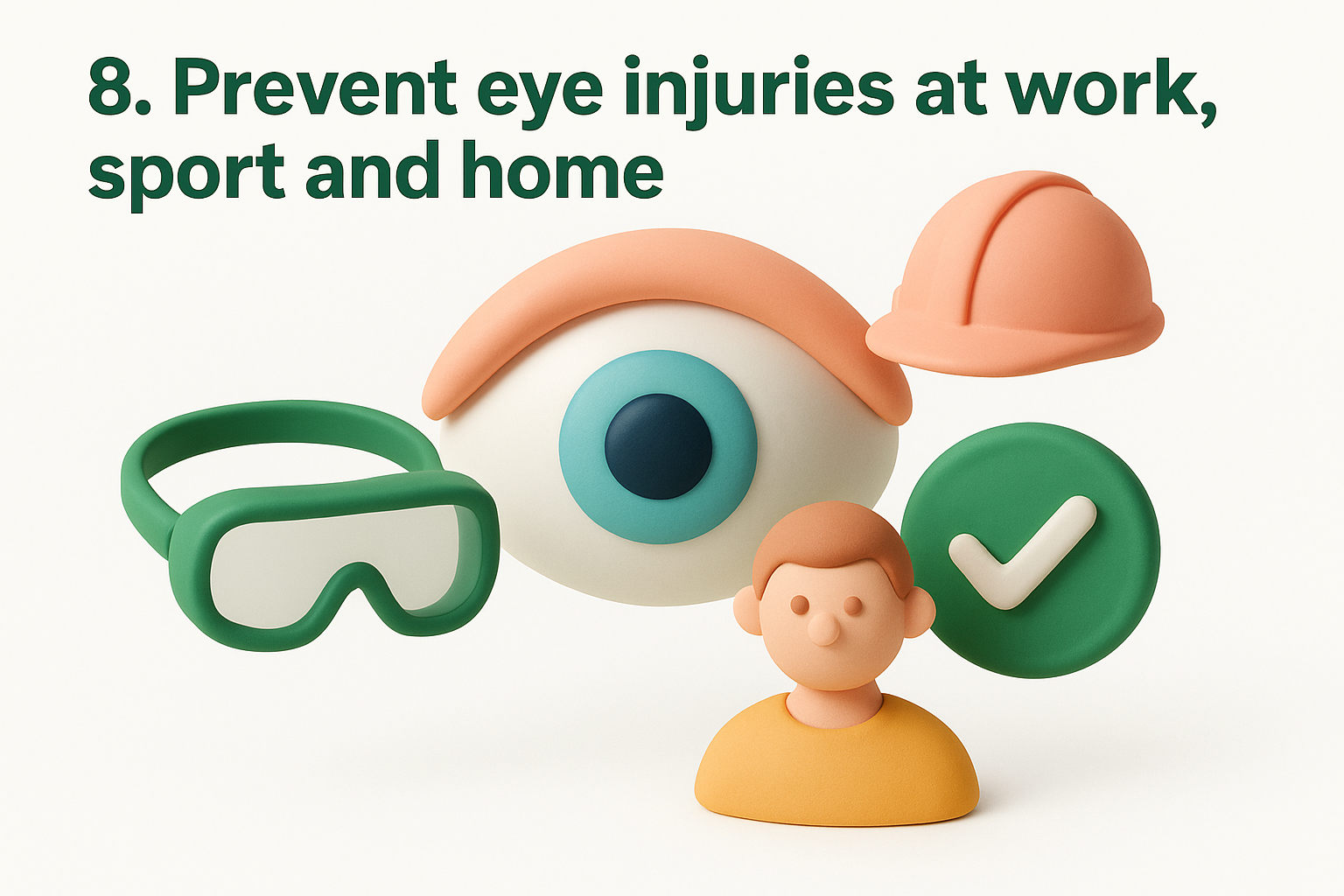
8. Prevent eye injuries at work, sport and home
Eye injuries account for thousands of preventable vision problems each year, from minor scratches to serious trauma that causes permanent sight loss. Whether you’re mowing the lawn, playing sport, or working with tools, protecting your eyes from impact, chemicals, and debris takes seconds but preserves your eye health for life. Most injuries happen during routine activities when people assume they’re safe without protection.
What this tip does
Wearing appropriate eye protection creates a physical barrier between your eyes and flying particles, chemical splashes, or blunt impacts that damage the cornea, lens, or retina. Safety glasses and goggles reduce workplace eye injuries by more than 90%, while sports eyewear prevents trauma from balls, racquets, or collisions. Even minor scratches can lead to infections or scarring that blur your vision permanently if not treated promptly.
A simple pair of safety glasses costs less than $20 but can save you from injuries that require thousands of dollars in emergency treatment.
How to do it in daily life
Use Australian Standards-approved safety glasses (AS/NZS 1337) when using power tools, grinding, or handling chemicals at work or home. Wear polycarbonate sports goggles for cricket, squash, or basketball, as regular glasses don’t protect against high-speed impacts. Keep safety equipment easily accessible so you actually use it rather than skipping protection because it’s inconvenient to find.
When to book an appointment
Contact Bright Sight Eye Specialists immediately if you experience an eye injury involving chemicals, penetrating objects, or severe impact. Ring the same day for persistent pain, vision changes, or visible damage after even minor trauma, as delayed treatment allows complications to develop.
9. Do two daily habits that support healthy eyes
Two simple daily habits deliver outsized benefits for your eye health: getting adequate sleep and staying properly hydrated. Your eyes need rest and moisture to repair cellular damage, flush out irritants, and maintain the tear film that protects your cornea. Unlike complicated routines or expensive supplements, these habits cost nothing and work synergistically to keep your eyes comfortable and functioning optimally throughout your life.
What this tip does
Quality sleep gives your eyes essential recovery time from the constant work of focusing, moving, and processing visual information during waking hours. During sleep, your closed eyelids create a sealed environment that allows your cornea to repair minor scratches and your tear glands to restore moisture levels depleted through the day. Proper hydration ensures your body produces enough tears to keep your eyes lubricated, preventing the dry, scratchy sensation that makes reading and screen work uncomfortable.
Your eyes are 98% water, and even mild dehydration reduces tear production enough to cause discomfort and strain.
How to do it in daily life
Aim for seven to nine hours of sleep nightly, keeping your bedroom dark and cool to support deeper rest. Drink at least two litres of water daily, spreading intake throughout the day rather than gulping large amounts at once. If you wake with gritty eyes, consider a bedroom humidifier to prevent moisture evaporation overnight.
When to book an appointment
Schedule a check-up at Bright Sight Eye Specialists if you experience persistent dry eyes despite adequate sleep and hydration, or if eye discomfort affects your daily activities.

Next steps for protecting your vision
These 10 tips give you a practical framework for maintaining your eye health throughout your life. Start with the changes that feel most achievable, whether that’s booking your first specialist examination, improving your diet, or simply taking regular screen breaks. Small consistent actions deliver more benefit than trying to overhaul everything at once.
Your vision deserves the same proactive care you give other aspects of your health. Regular specialist checks catch silent conditions before they cause permanent damage, and many of the habits covered here, UV protection, blood sugar control, proper nutrition, protect you from multiple eye diseases simultaneously.
If you’re in Randwick or the Eastern Suburbs and want comprehensive eye care from a specialist who combines advanced technology with transparent, patient-centred service, book a consultation at Bright Sight Eye Specialists. Dr Rahul Dubey and his team provide thorough examinations, clear explanations, and treatments designed to preserve your sight for the long term.