


Your eyes are remarkable organs, yet many people only think about them when something goes wrong. Whether you’ve noticed changes in your vision, received a referral from your optometrist, or simply want to understand your options, knowing when to consult an eye care ophthalmologist can make all the difference. These medical specialists are trained to diagnose, treat, and perform surgery for a wide range of eye conditions, from cataracts and macular degeneration to diabetic eye disease and retinal detachment.
At Bright Sight Eye Specialists in Randwick, Dr Rahul Dubey and Dr Capucine Odouard provide comprehensive surgical and medical eye care for patients across Sydney’s Eastern Suburbs and beyond. Understanding what an ophthalmologist does, and how they differ from optometrists, helps you make informed decisions about your eye health and ensures you receive the right care at the right time.
This article explains the role of an ophthalmologist, the conditions they treat, and the signs that indicate it’s time to book an appointment.
Why an ophthalmologist matters for eye care
Many eye conditions develop gradually and cause no pain in their early stages, which means you might not notice anything wrong until permanent vision loss has occurred. An eye care ophthalmologist has the medical training and surgical skills to detect these problems early and intervene before damage becomes irreversible. Unlike routine eye checks that assess your prescription, a comprehensive ophthalmological examination evaluates the health of your retina, optic nerve, and internal eye structures. This level of scrutiny catches diseases such as glaucoma, macular degeneration, and diabetic retinopathy while they remain treatable.
Early detection prevents permanent damage
Your risk of serious eye disease increases with age, yet many people wait years between specialist consultations. Regular ophthalmological assessments become particularly important if you’re over 40, have diabetes, or have a family history of eye conditions. During these appointments, your ophthalmologist uses specialised equipment such as optical coherence tomography (OCT) and fundus photography to examine layers of your retina that optometrists cannot assess in detail. These scans reveal early signs of macular holes, retinal tears, and other structural changes before they affect your vision.
Detecting conditions early often means you can preserve your sight with less invasive treatments. For example, diabetic retinopathy caught in its early stages might only require better blood sugar control and monitoring, whereas advanced cases need laser treatment or vitreous surgery. Similarly, age-related macular degeneration responds better to anti-VEGF injections when treatment begins before significant scarring develops.
Early intervention in conditions like diabetic retinopathy and macular degeneration can preserve functional vision for decades.
Surgical expertise for complex conditions
Some eye problems require surgical solutions that only an ophthalmologist can provide. Cataracts, retinal detachment, and vitreous haemorrhage need precise surgical techniques performed in sterile operating environments. Your ophthalmologist has completed years of surgical training and performs these procedures regularly, which reduces your risk of complications and improves outcomes. At Bright Sight Eye Specialists, both Dr Dubey and Dr Odouard bring international training and advanced fellowship experience to each surgery.
Modern ophthalmic surgery offers options that weren’t available even a decade ago. Premium lens implants during cataract surgery can reduce your dependence on glasses, whilst minimally invasive vitrectomy systems allow faster recovery from retinal procedures. Your ophthalmologist stays current with these advances and can explain which techniques suit your particular condition and lifestyle needs.
What an ophthalmologist does and treats
An eye care ophthalmologist is a medical doctor who specialises in the complete care of your eyes, including both medical treatment and surgery. These specialists complete a medical degree, followed by years of surgical training in ophthalmology, which qualifies them to diagnose eye diseases, prescribe medications, perform laser procedures, and conduct complex operations. You might visit an ophthalmologist for a routine eye examination, but their expertise extends far beyond checking your vision.
Medical and surgical treatments
Your ophthalmologist treats conditions that require prescription medications, such as eye infections, inflammation, and glaucoma. They prescribe eye drops, tablets, or injections to manage these problems and monitor your response to treatment through regular follow-up appointments. Intravitreal injections for macular degeneration and diabetic eye disease form a significant part of medical ophthalmology, as do laser treatments for retinal tears, diabetic retinopathy, and some types of glaucoma.
Surgical expertise separates ophthalmologists from other eye care professionals. Cataract surgery, vitrectomy procedures, and retinal surgery require the precision that comes from extensive operating theatre experience. Your ophthalmologist also performs corneal transplants, refractive laser surgery (LASIK, PRK, SMILE), and procedures to repair eyelid problems.
Ophthalmologists are the only eye care professionals qualified to perform surgery and prescribe all forms of medical treatment.
Conditions commonly managed
Ophthalmologists manage age-related conditions including cataracts, macular degeneration, and glaucoma, which affect millions of Australians over 50. They also treat diabetic eye disease, retinal detachment, and vitreous haemorrhage, conditions that can cause rapid vision loss without prompt intervention. Other common problems include epiretinal membrane, macular holes, retinal vein occlusion, and central serous retinopathy.
Corneal conditions, pterygium, and recurrent corneal erosion also fall within their remit, alongside red eye, chalazion, and various forms of conjunctivitis.
Ophthalmologist vs optometrist vs optician
Understanding the differences between these three eye care professionals helps you choose the right specialist for your needs. Each plays a distinct role in maintaining your vision, yet their training, qualifications, and scope of practice vary significantly. An optician dispenses glasses and contact lenses based on prescriptions, whilst an optometrist examines your eyes and prescribes corrective lenses. An eye care ophthalmologist, however, is a medical doctor who treats eye diseases and performs surgery.

Training and qualifications
Your ophthalmologist completes a medical degree followed by specialist training in ophthalmology, which typically takes at least 12 years after finishing secondary school. This training includes thousands of hours in operating theatres performing surgical procedures under supervision. Dr Dubey trained at Moorfields Eye Hospital in London, whilst Dr Odouard completed her ophthalmology training at Sydney Eye Hospital, giving both consultants international and local expertise.
Optometrists complete a four-year university degree in optometry and can prescribe glasses, contact lenses, and some medications for conditions like conjunctivitis. Opticians typically complete a two-year technical qualification and fit glasses and contact lenses but cannot examine eyes or diagnose conditions.
Only ophthalmologists have the medical training and surgical expertise to treat serious eye diseases and perform operations.
Scope of practice
Your optometrist conducts routine eye examinations, prescribes corrective lenses, and detects early signs of eye disease. They refer patients to ophthalmologists when they identify conditions requiring specialist treatment such as cataracts, glaucoma, or retinal problems. Opticians measure your face for frames, adjust glasses, and ensure your lenses sit correctly.
Ophthalmologists diagnose and treat all eye conditions, perform surgery, prescribe all medications, and manage complex diseases like macular degeneration, diabetic retinopathy, and retinal detachment.
When to see an ophthalmologist and urgent signs
Knowing when to consult an eye care ophthalmologist protects your vision and prevents irreversible damage. Whilst some situations require routine scheduled appointments, others demand immediate medical attention. Your optometrist might refer you for specialist care after detecting problems during a routine check, or you might notice sudden changes that signal an emergency. Understanding these distinctions ensures you receive appropriate care without delay.
Routine appointments and risk factors
You should schedule regular ophthalmology consultations if you’re over 60, have diabetes or high blood pressure, or have a family history of glaucoma, macular degeneration, or retinal detachment. Your optometrist will refer you if they detect early signs of cataracts, suspect glaucoma, or identify retinal changes that need specialist assessment. Annual eye examinations become essential once you’ve been diagnosed with conditions like diabetic eye disease or age-related macular degeneration, as these require ongoing monitoring.
Regular specialist monitoring catches progressive eye diseases before they cause permanent vision loss.
Emergency warning signs
Certain symptoms require immediate attention from an ophthalmologist, often on the same day. Contact your specialist urgently if you experience sudden vision loss, flashes of light, a shower of new floaters, or a dark curtain across your visual field, as these suggest retinal detachment or vitreous haemorrhage. Sudden severe eye pain, particularly with nausea, might indicate acute angle-closure glaucoma, a medical emergency that can cause permanent blindness within hours. Other urgent signs include seeing halos around lights combined with eye pain, sudden double vision, or any eye injury involving chemicals or penetrating objects.
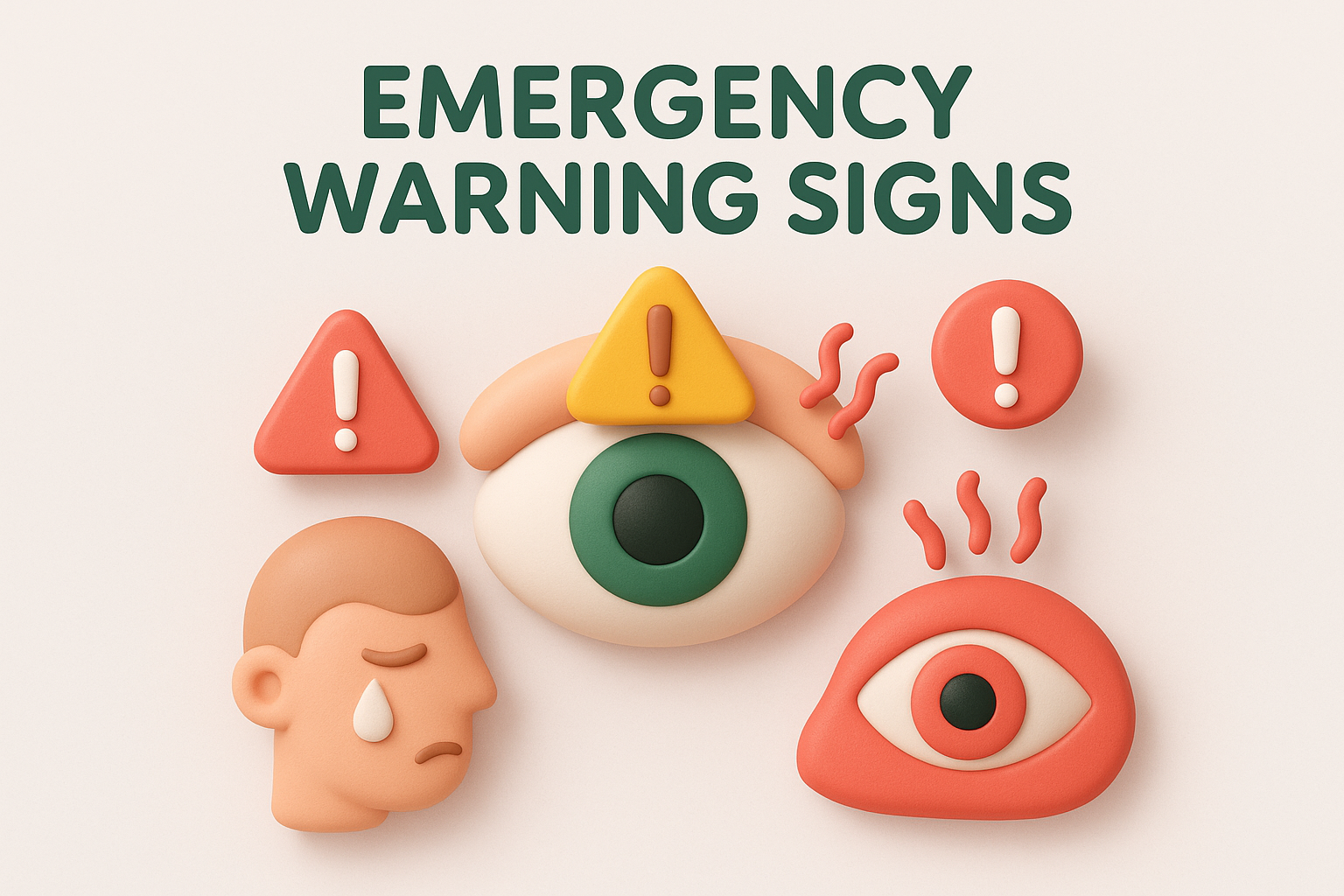
If you experience these symptoms outside regular clinic hours, attend your nearest emergency department immediately rather than waiting for an appointment.
How to book and prepare in Australia
Booking an appointment with an eye care ophthalmologist in Australia typically requires a referral from your GP or optometrist, though this process varies depending on whether you have private health insurance or use public hospital services. Your referral remains valid for 12 months and allows Medicare rebates on specialist consultations. At Bright Sight Eye Specialists in Randwick, you can contact the practice directly once you have your referral, and the team will schedule your appointment at a time that suits your schedule.
Getting a referral and booking
Your general practitioner or optometrist provides a referral letter that outlines your symptoms and any relevant medical history. This document helps your ophthalmologist understand your situation before you arrive. Private patients often secure appointments within days or weeks, whilst public hospital waiting times vary depending on urgency and condition severity. If you live in regional Australia, telehealth consultations offer an alternative, with Bright Sight Eye Specialists providing remote assessments in partnership with local optometrists for follow-up care.
A current referral letter ensures you receive Medicare rebates and helps your specialist prepare for your consultation.
What to bring to your appointment
Bring your referral letter, Medicare card, and private health insurance details if applicable. Your ophthalmologist needs a complete medication list, including eye drops, blood pressure tablets, and diabetes medications, as these affect treatment decisions. Wear your current glasses and bring sunglasses, since your pupils will likely be dilated during examination, making your eyes light-sensitive for several hours. Arrange transport home if you’re having drops that blur your vision, and bring any recent test results or imaging from other specialists.

Next steps for your eyes
Your vision deserves specialist attention, particularly if you’ve noticed changes or have risk factors like diabetes or a family history of eye disease. Understanding the role of an eye care ophthalmologist helps you recognise when routine optometry checks aren’t enough and when surgical expertise becomes necessary. Regular monitoring, early detection, and prompt treatment protect your sight from permanent damage and preserve your independence for decades to come.
Don’t wait until symptoms worsen before seeking specialist care. Whether you need a comprehensive examination, treatment for an existing condition, or surgical intervention, Dr Dubey and Dr Odouard at Bright Sight Eye Specialists provide expert care across the Eastern Suburbs. Their combined international training and patient-centred approach ensures you receive the highest standard of ophthalmic medicine. Contact the practice today to book your appointment and take the first step towards protecting your vision.