


Diabetes affects far more than blood sugar levels, it can quietly damage your vision over time. The diabetic effect on eye health is one of the most significant yet often overlooked complications of this chronic condition, potentially leading to permanent vision loss if left undetected.
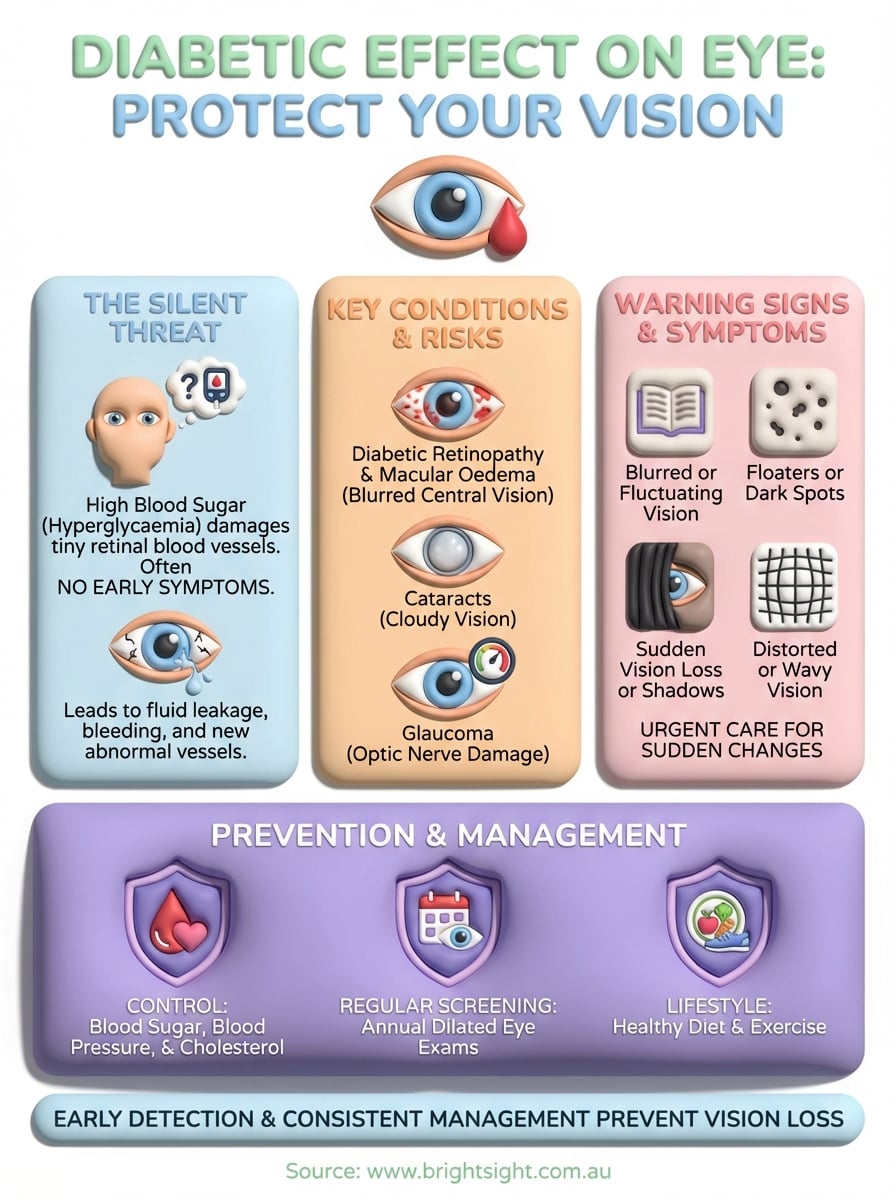
High blood sugar levels cause damage to the delicate blood vessels in your retina, triggering conditions like diabetic retinopathy, diabetic macular oedema, and even cataracts. The challenge? Early stages often present no symptoms, which means many people only discover the problem once significant damage has occurred.
At Bright Sight Eye Specialists, Dr. Rahul Dubey provides comprehensive diabetic eye disease management across Randwick and the Eastern Suburbs of Sydney. From early detection through to advanced treatments including laser therapy and intravitreal injections, we help patients protect their sight at every stage.
This article explains how diabetes affects your eyes, the warning signs to watch for, what causes the damage, and practical steps you can take to reduce your risk of vision loss. Understanding these factors is the first step toward preserving your eyesight for years to come.
Why diabetes affects your eyes
Your eyes contain some of the smallest and most delicate blood vessels in your entire body, making them exceptionally vulnerable to damage from high blood sugar levels. When diabetes remains poorly controlled, excess glucose in your bloodstream gradually weakens these tiny vessels, causing them to leak fluid, bleed, or even close off completely. This process happens slowly and silently, which explains why the diabetic effect on eye health often goes unnoticed until significant damage has occurred.
High blood sugar damages blood vessels
Elevated glucose levels trigger a chain reaction that directly harms the blood vessels throughout your body, but your eyes bear the brunt of this damage. Persistent hyperglycaemia (high blood sugar) causes the walls of your retinal blood vessels to become weak and fragile, similar to how water damage weakens the structure of a building over time. These damaged vessels then begin to bulge, leak fluid into the surrounding tissue, or develop abnormal new blood vessels that are even more fragile than the original ones.
The longer you live with uncontrolled diabetes, the greater your risk of developing serious complications. Years of elevated blood sugar create cumulative damage that becomes increasingly difficult to reverse, which is why early intervention makes such a significant difference to long-term outcomes.
People with diabetes are 25 times more likely to experience vision loss than those without the condition.
The retina’s unique vulnerability
Your retina requires a constant and rich supply of oxygen and nutrients to function properly, making it particularly susceptible to vascular damage. This thin layer of tissue at the back of your eye contains millions of light-sensitive cells that convert images into signals your brain can interpret. When diabetes compromises the blood supply to your retina, these cells begin to starve and malfunction, directly affecting your ability to see clearly.
The macula, which sits at the centre of your retina, is even more vulnerable. This small area is responsible for your sharp central vision, enabling you to read, drive, and recognise faces. When fluid leaks into the macula (a condition called diabetic macular oedema), your central vision becomes blurred or distorted, making everyday tasks increasingly difficult.
Duration and control make the difference
The severity of eye damage relates directly to how long you have had diabetes and how well you have managed your blood sugar levels. Poor glucose control over many years dramatically increases your risk of developing diabetic retinopathy and other vision-threatening conditions, whilst consistent management significantly reduces these risks.
High blood pressure and high cholesterol compound the problem further. These conditions add extra stress to your already vulnerable blood vessels, accelerating the damage diabetes causes. Managing all three factors (blood sugar, blood pressure, and cholesterol) gives you the best chance of protecting your vision long-term.
Diabetic eye disease and key conditions
The diabetic effect on eye health manifests through several distinct conditions, each affecting different parts of your eye in specific ways. Understanding these conditions helps you recognise the risks you face and the importance of regular screening, even when your vision seems perfectly normal. Diabetic retinopathy remains the most common complication, but diabetes increases your risk for other serious eye diseases as well.

Diabetic retinopathy and macular oedema
Diabetic retinopathy develops when high blood sugar damages the blood vessels in your retina, progressing through two main stages. Non-proliferative diabetic retinopathy occurs first, where existing blood vessels weaken, bulge, and leak fluid or blood into your retina. This early stage often causes no noticeable vision changes, which makes regular eye examinations essential for detection.
Proliferative diabetic retinopathy represents the advanced stage, where your eye attempts to compensate for damaged vessels by growing new ones. Unfortunately, these new vessels are extremely fragile and bleed easily, potentially leading to severe vision loss or retinal detachment. When fluid accumulates in your macula (the centre of your retina), you develop diabetic macular oedema, which causes blurred or distorted central vision.
Diabetic retinopathy affects approximately 30% of people who have had diabetes for more than 20 years.
Other diabetes-related eye conditions
Diabetes significantly increases your risk of developing cataracts at a younger age, where the lens of your eye becomes cloudy and obscures your vision. The elevated glucose levels in your eye’s lens cause proteins to clump together, creating opacity that gradually worsens over time.
Glaucoma also occurs more frequently in people with diabetes, as the condition damages your optic nerve through increased eye pressure. Neovascular glaucoma, a particularly aggressive form, can develop when abnormal blood vessels block the normal drainage system in your eye, causing pressure to rise rapidly.
Symptoms and warning signs to act on
The diabetic effect on eye health often develops silently, with no obvious symptoms in the early stages when treatment is most effective. This delayed symptom onset makes regular eye examinations crucial, as you cannot rely on noticeable vision changes to alert you to problems. However, certain warning signs do eventually appear, and recognising them quickly gives you the best chance of preserving your vision through prompt treatment.
Early warning signs
Blurred vision represents one of the earliest indicators that diabetes is affecting your eyes, though this symptom often comes and goes as your blood sugar levels fluctuate. You might notice that reading becomes more difficult, or that distant objects appear less sharp than usual, particularly after meals when your blood glucose rises.
Fluctuating vision throughout the day signals that high blood sugar is temporarily changing the shape of your lens, affecting how your eye focuses light. Dark spots or strings floating in your field of vision (floaters) also warrant attention, as these may indicate bleeding within your eye. Difficulty seeing in dim lighting or at night suggests your retina is struggling to function properly due to compromised blood flow.
Even mild vision changes in people with diabetes deserve professional evaluation, as early intervention can prevent permanent damage.
Advanced symptoms that need urgent care
Sudden vision loss in one or both eyes demands immediate medical attention, as this typically indicates severe bleeding or retinal detachment. You should seek emergency care if you experience a rapid increase in floaters, flashes of light, or a curtain-like shadow blocking part of your vision, as these symptoms suggest serious complications requiring urgent treatment.
Distorted or wavy central vision indicates fluid accumulation in your macula, whilst blank or dark spots in your central field of vision suggest permanent damage to your retina. Pain, redness, or pressure in your eyes, particularly when combined with vision changes, may signal neovascular glaucoma, a condition that can cause irreversible blindness within days without treatment.
How doctors diagnose diabetic eye disease
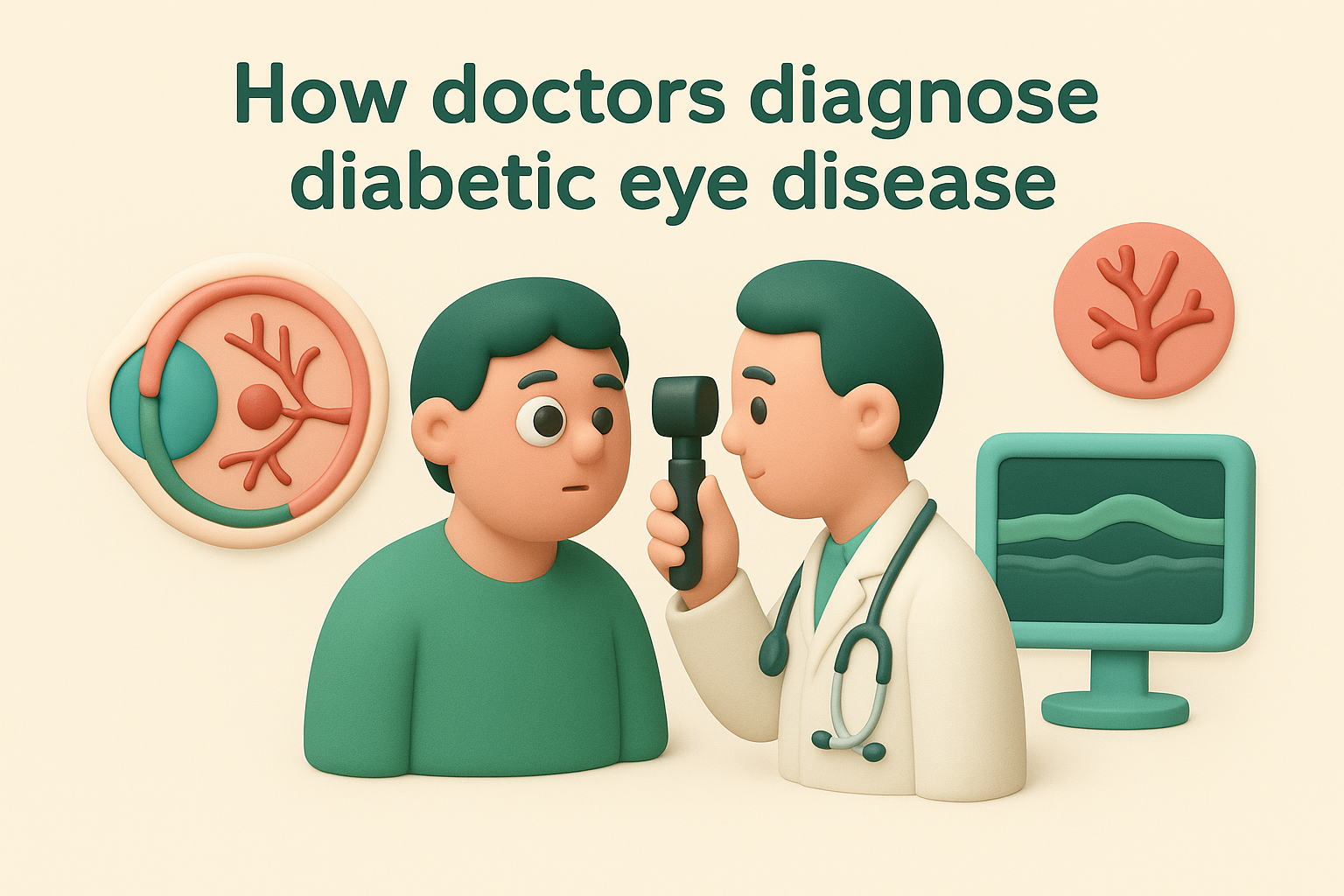
Your eye specialist uses several sophisticated techniques to detect the diabetic effect on eye health, often identifying damage before you notice any vision changes. These examinations go far beyond standard vision tests, allowing your doctor to examine the internal structures of your eye in precise detail. Early detection through regular screening gives you the best opportunity to prevent vision loss, as treatment works most effectively before permanent damage occurs.
Comprehensive dilated eye examination
Your doctor begins by placing special drops in your eyes to widen (dilate) your pupils, providing a clear view of your retina and optic nerve. This examination allows them to spot early signs of diabetic retinopathy, including microaneurysms (tiny bulges in blood vessels), haemorrhages, and fluid leakage. Direct visualisation of your retina reveals problems that no other test can detect, making dilation essential for accurate diagnosis.
During this examination, your specialist checks for abnormal blood vessel growth, swelling in your macula, and any changes to your optic nerve that might indicate glaucoma. The dilated examination typically takes 15 to 30 minutes, and your vision may remain blurry for several hours afterwards as the drops wear off.
Regular dilated eye examinations can reduce your risk of severe vision loss by up to 95% through early detection and treatment.
Advanced diagnostic imaging
Optical coherence tomography (OCT) produces detailed cross-sectional images of your retina, revealing even minute amounts of fluid or swelling that might not be visible during a standard examination. This painless scan takes only minutes and provides your doctor with precise measurements of your retinal thickness, helping them track changes over time and determine whether treatment is working.
Fluorescein angiography involves injecting a special dye into your arm, which then travels through your bloodstream to highlight your retinal blood vessels. Your doctor photographs these vessels to identify areas of leakage, blockage, or abnormal growth, creating a detailed map of circulation problems within your eye.
How to protect your vision with diabetes
Protecting your vision from the diabetic effect on eye health requires a proactive, multi-faceted approach that addresses both your diabetes management and your eye care routine. The good news? Most vision loss from diabetes is preventable when you take consistent action and work closely with your healthcare team. These evidence-based strategies give you the strongest defence against diabetic eye disease.
Control your blood sugar consistently
Maintaining stable blood glucose levels represents your most powerful tool for preventing diabetic eye complications. Research shows that keeping your HbA1c below 7% can reduce your risk of developing diabetic retinopathy by up to 76%, whilst also slowing the progression of existing damage. Your daily habits matter significantly, including regular blood sugar monitoring, taking medications as prescribed, and following a balanced diet that prevents glucose spikes.
Every 1% reduction in HbA1c decreases your risk of microvascular complications, including eye disease, by approximately 37%.
Schedule regular eye examinations
Annual dilated eye examinations allow your specialist to detect problems before they affect your vision, when treatment works most effectively. If you have already developed diabetic retinopathy, your doctor may recommend examinations every 3 to 6 months to monitor changes closely. Never skip these appointments, even when your vision seems perfect, as early-stage damage produces no symptoms.
Manage blood pressure and cholesterol
High blood pressure accelerates damage to your retinal blood vessels, whilst elevated cholesterol contributes to blockages that starve your retina of oxygen. Keeping your blood pressure below 140/90 mmHg and your cholesterol within recommended ranges protects your eyes alongside your heart and kidneys. Regular exercise, a heart-healthy diet, and prescribed medications all contribute to these goals, creating a comprehensive shield against diabetic complications.
Next steps for your eye health
Understanding the diabetic effect on eye health empowers you to take decisive action and protect your vision for the years ahead. Regular eye examinations, consistent blood sugar management, and prompt attention to any vision changes create a comprehensive defence against preventable blindness. The steps outlined in this article work most effectively when you implement them together, forming a complete strategy that addresses all aspects of diabetic eye care.
Your next move should focus on scheduling a comprehensive eye examination if you haven’t had one within the past year. Dr. Rahul Dubey and the team at Bright Sight Eye Specialists provide expert diabetic eye disease management throughout the Eastern Suburbs of Sydney, from early detection screenings to advanced treatments including laser therapy and intravitreal injections. Book your diabetic eye examination to assess your current eye health and develop a personalised monitoring plan that fits your needs. Early intervention makes the critical difference between maintaining clear vision and facing irreversible sight loss.