


A diabetes eye check is a specialized eye examination that screens for diabetic retinopathy and other diabetes-related vision problems. High blood sugar can damage the small blood vessels in your retina over time, sometimes without any noticeable symptoms until the damage has progressed. This screening helps catch changes early when treatment works best. Regular checks can prevent up to 90% of severe vision loss in people with diabetes.
This article explains why diabetes eye checks are essential, how to book one through Medicare, and what happens during your appointment. You’ll learn how often you need screening based on your situation, what warning signs to watch for, and when to see a retinal specialist. We’ll also cover practical steps to protect your eyesight between appointments. Whether you’ve just been diagnosed with diabetes or you’ve been managing it for years, understanding your eye care options helps you take control of your vision health.
Why diabetes eye checks matter
Your eyes offer an early warning system for diabetes-related damage before you notice any vision changes. Diabetic retinopathy develops gradually as high blood glucose levels weaken and damage the tiny blood vessels in your retina. This damage can progress through several stages without affecting your day-to-day vision, which makes regular screening essential. By the time you notice blurred vision, floaters, or dark spots, the condition has often reached an advanced stage where treatment becomes more complex and outcomes less certain.
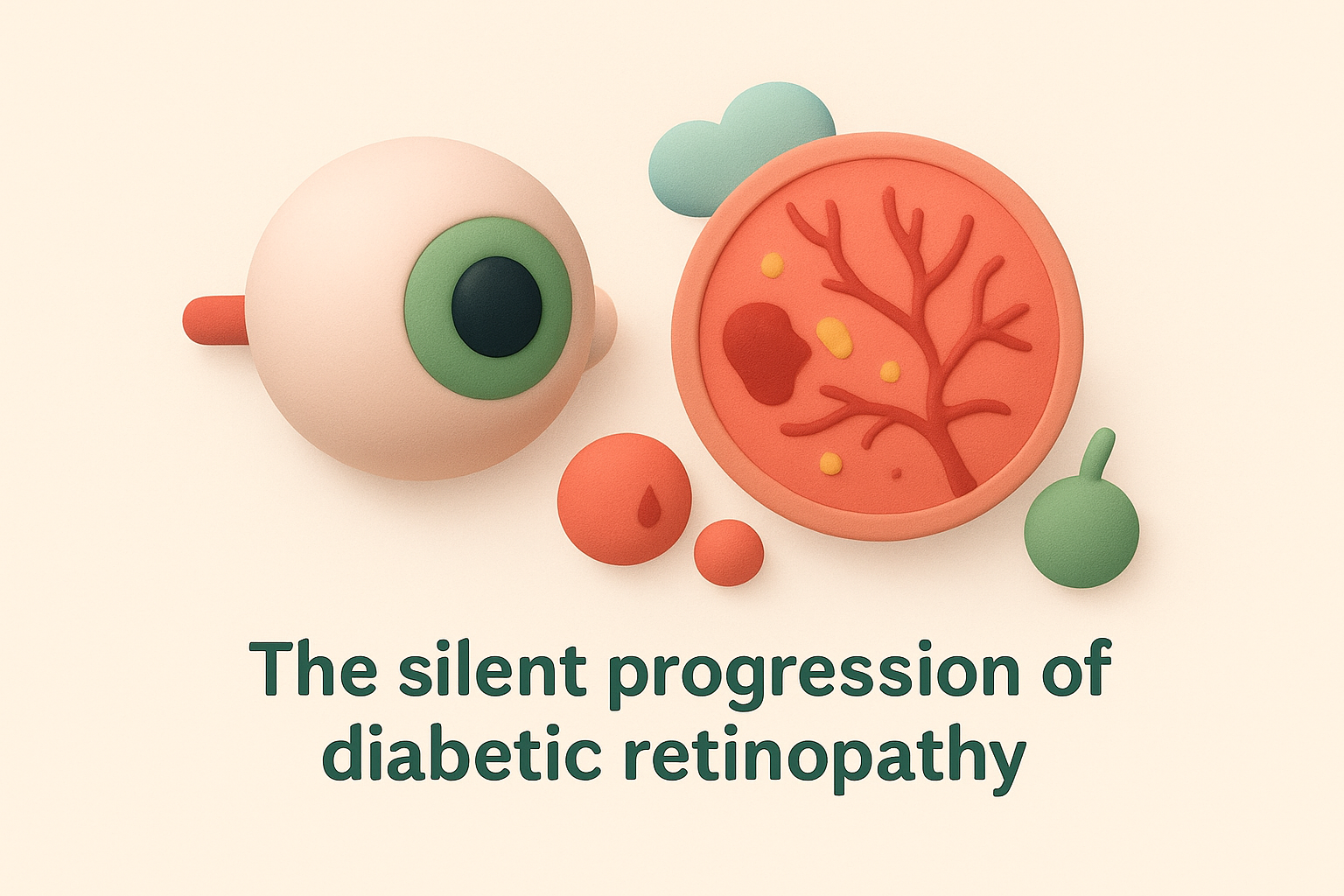
The silent progression of diabetic retinopathy
The retina contains millions of light-sensitive cells that need a constant blood supply to function properly. When diabetes damages these delicate blood vessels, they can leak fluid, swell, or become blocked. New fragile vessels may grow in response, but these often bleed easily and can cause scar tissue formation. You might maintain perfect vision throughout the early stages while this damage accumulates. Background retinopathy shows only minor changes that your optometrist can detect with specialized imaging, yet it signals your eyes are at risk.
Regular diabetes eye checks can prevent up to 98% of severe vision loss when problems are caught and treated early.
Preventing vision loss through early detection
Treatment works best when your optometrist identifies changes before they affect your central vision. Laser therapy can seal leaking blood vessels and prevent new ones from forming. Intravitreal injections reduce swelling and stop abnormal vessel growth when needed. These interventions preserve your sight, but they cannot restore vision already lost to advanced retinopathy. Early-stage detection means simpler treatment, fewer appointments, and better long-term outcomes. Your diabetes eye check also screens for other conditions like glaucoma and cataracts, which occur more frequently in people with diabetes and require different management approaches.
How to get a diabetes eye check
You can access a diabetes eye check through any optometrist in Australia, with Medicare covering the full cost for eligible patients. Most optometry practices accept walk-ins, but booking an appointment ensures you receive adequate time for comprehensive screening. Your regular optometrist already has your eye health history on file, which helps them track any changes over time. You don’t need a referral from your GP to book this type of screening, though your diabetes care team should coordinate with your optometrist to share relevant health information.
Medicare bulk billing for eye tests
Medicare provides free diabetes eye checks once every 12 months for all Australians with diabetes on a valid Medicare card. Your optometrist bulk bills directly to Medicare, meaning you pay nothing out of pocket for the consultation or basic screening tests. This includes visual acuity tests, retinal photography, and pressure checks. Some advanced imaging technologies like OCT scans may incur an additional fee, though many practices include these as part of their diabetes screening service.

Regular Medicare-funded eye checks make diabetes eye care accessible to all Australians, regardless of private health insurance status.
Booking through your optometrist
Most optometry practices now offer online booking systems where you can select a diabetes eye examination specifically. You’ll answer questions about your diabetes management, current medications, and any vision changes you’ve noticed. Major chains like Specsavers, OPSM, and independent optometrists all provide diabetes screening services. Choose a practice that uses digital retinal imaging and OCT technology, as these tools provide the most comprehensive assessment of your retinal health.
When booking, mention you have diabetes so the practice allocates sufficient time for your appointment. A standard eye test takes 20 minutes, but a thorough diabetes eye check requires 30 to 45 minutes. Some practices may need to dilate your pupils with eye drops, which temporarily blurs your vision, so arrange transport if necessary.
Using reminder programs
KeepSight is a free national program that sends you reminder letters when your next diabetes eye check is due. You register once through your optometrist, GP, or online at the KeepSight website. The program tracks your screening history and coordinates with participating eye care providers across Australia. Automated reminders reduce the risk of missing appointments, which is particularly important because diabetic retinopathy often develops without symptoms. Your optometrist can enrol you during your first diabetes eye check, or you can self-register if your practice participates in the program.
What happens during a diabetes eye test
Your diabetes eye check follows a systematic process designed to examine all structures of your eye affected by high blood sugar. The appointment typically takes 30 to 45 minutes, though this varies depending on what your optometrist finds during the examination. You’ll sit comfortably in the testing chair while your optometrist explains each step and what they’re looking for.
Visual acuity and pressure measurements
Your optometrist begins by checking your current vision using a letter chart to establish your baseline visual acuity. This helps identify whether your vision has changed since your last visit. They’ll then measure your intraocular pressure with a quick air puff test or a small probe that gently touches your eye after numbing drops. Elevated pressure can indicate glaucoma, which occurs more frequently in people with diabetes and requires separate monitoring.
Digital retinal imaging
The core component of your diabetes eye check involves photographing the back of your eye using specialized cameras. Your optometrist captures detailed images of your retina, including the blood vessels, optic nerve, and macula. Modern retinal cameras can photograph up to 80% of your retina in a single image, allowing your optometrist to detect early signs of diabetic retinopathy that aren’t visible during a standard examination. Some practices use ultra-widefield imaging that captures an even broader view, which proves particularly useful for spotting peripheral retinal changes.
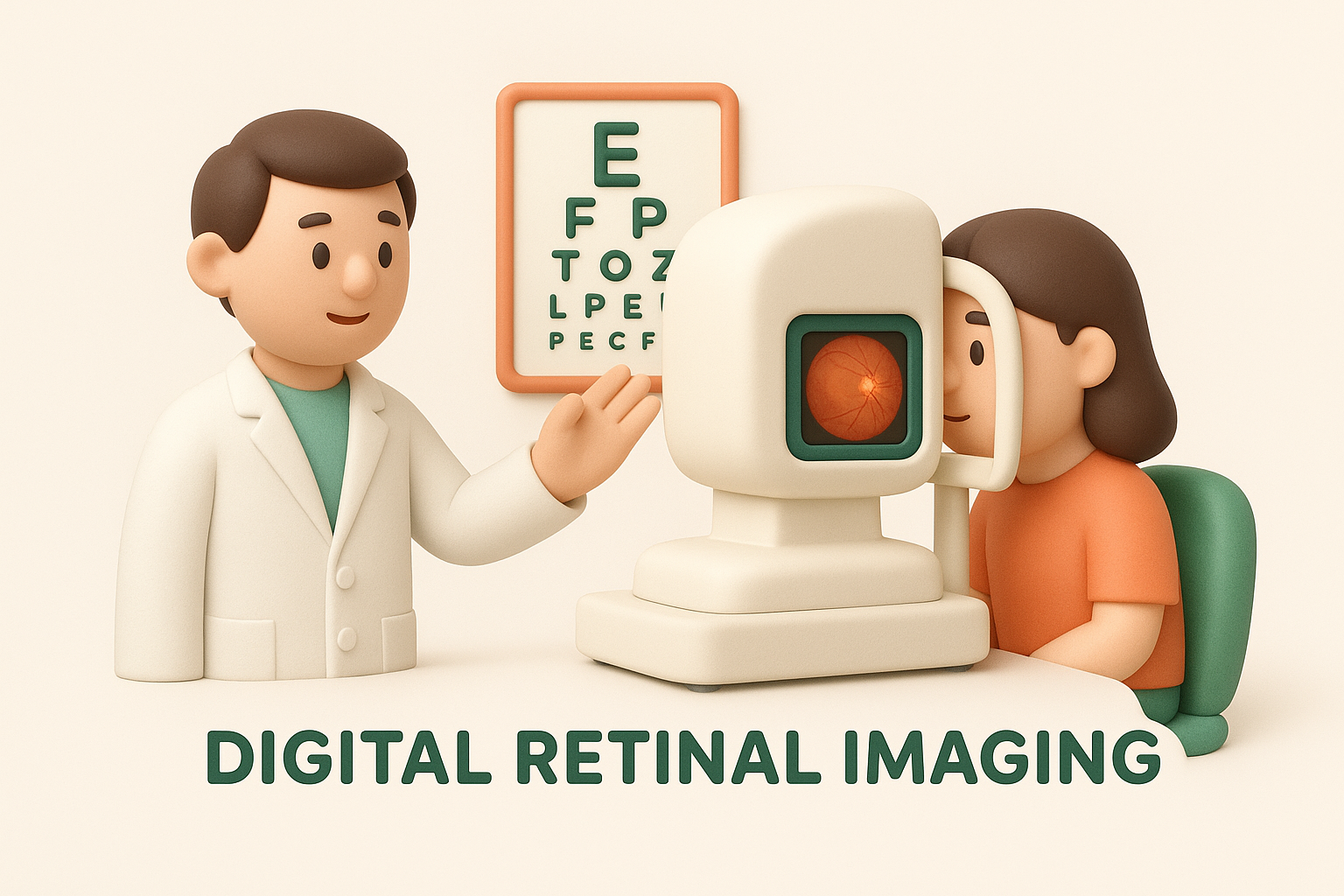
Digital retinal photography creates a permanent record that allows your optometrist to compare your eye health over time and track even subtle changes.
OCT scans and dilated examination
Your optometrist may perform an Optical Coherence Tomography (OCT) scan, which creates cross-sectional images of your retina’s layers. This technology detects macular oedema (fluid swelling in the central retina) before it affects your vision. If your optometrist spots anything concerning on the initial images, they may need to dilate your pupils with eye drops. Dilation takes 15 to 20 minutes to work fully and allows a more detailed view of your peripheral retina. Your vision remains blurry for several hours afterwards, so bring sunglasses and arrange alternative transport if dilation is necessary.
Your optometrist discusses the findings immediately after your examination. Most people show no diabetic changes during their early years with diabetes, but your optometrist explains what they’re monitoring and when you should return for your next check.
How often to have your eyes checked
The recommended frequency for your diabetes eye check depends on several factors, including how long you’ve had diabetes, your blood glucose control, and whether previous examinations revealed any retinal changes. Most Australians with diabetes need screening at least every two years when no diabetic retinopathy is present and their diabetes remains well controlled. Your optometrist adjusts this timeline based on their findings during each examination and your overall diabetes management. Medicare funds one diabetes eye check annually, though some people require more frequent monitoring.
Standard screening intervals
You should schedule your initial diabetes eye check within 12 months of being diagnosed with type 2 diabetes. People with type 1 diabetes typically need their first screening five years after diagnosis unless they develop symptoms earlier. If your optometrist finds no signs of diabetic retinopathy and your HbA1c levels remain stable, they’ll usually recommend screening every 24 months. This interval provides adequate monitoring while reducing unnecessary appointments for people at lower risk.
Regular two-yearly screening catches diabetic retinopathy early enough to prevent vision loss in most cases while minimising disruption to your schedule.
Adjusting frequency based on risk factors
Your optometrist increases screening frequency when they detect early background retinopathy or other risk factors develop. Mild retinopathy usually requires annual examinations to monitor progression. Moderate to severe changes mean you’ll need screening every six months or referral to a retinal specialist for closer management. Other factors that trigger more frequent diabetes eye checks include poorly controlled blood glucose levels, high blood pressure, pregnancy, or planned cataract surgery. People who’ve received laser treatment or injections for diabetic retinopathy need ongoing monitoring every three to six months, even after their condition stabilises.
Blood glucose fluctuations affect screening frequency because sustained high levels accelerate retinal damage. Your optometrist considers your recent HbA1c results alongside their examination findings when setting your next appointment. Rapid improvements in blood glucose control can temporarily worsen retinopathy, so your optometrist may schedule an additional check during this adjustment period. Always attend your scheduled appointments even when your vision seems fine, because diabetic retinopathy develops silently and early intervention prevents complications.
When and where to seek specialist care
Your optometrist provides initial diabetes eye checks and ongoing monitoring, but certain findings require referral to a retinal specialist for advanced treatment. This referral protects your vision when diabetic retinopathy reaches a stage where interventions like laser therapy or intravitreal injections become necessary. Specialist ophthalmologists have additional training in retinal surgery and access to equipment not available in standard optometry practices. Your optometrist coordinates this referral and shares your eye health records to ensure seamless care.
Conditions requiring specialist treatment
Your optometrist refers you to a retinal specialist when they detect moderate to severe diabetic retinopathy during your diabetes eye check. Specific findings that trigger referral include new blood vessel growth, significant retinal bleeding, macular oedema affecting your central vision, or any retinal detachment. Proliferative diabetic retinopathy always requires specialist management because untreated abnormal vessels can cause permanent vision loss. You’ll also need specialist care if you develop vitreous haemorrhage (bleeding into the eye’s clear gel) or if your diabetic retinopathy progresses despite good blood glucose control.
Early specialist referral gives you the best chance of preserving your vision when diabetic retinopathy advances beyond basic monitoring.
Accessing specialist ophthalmologists
Most retinal specialists practise in major hospitals and private eye clinics throughout Australian capital cities and regional centres. Bright Sight Eye Specialists in Randwick provides comprehensive diabetic eye disease management, including laser treatment and intravitreal injections for patients across Sydney’s eastern suburbs. Your optometrist typically arranges the initial appointment and sends detailed referral information. Specialist consultations may involve additional diagnostic tests like fluorescein angiography to map retinal blood flow, helping plan your treatment approach. Most procedures are covered partially or fully by private health insurance, with transparent pricing available upfront for self-funded patients.
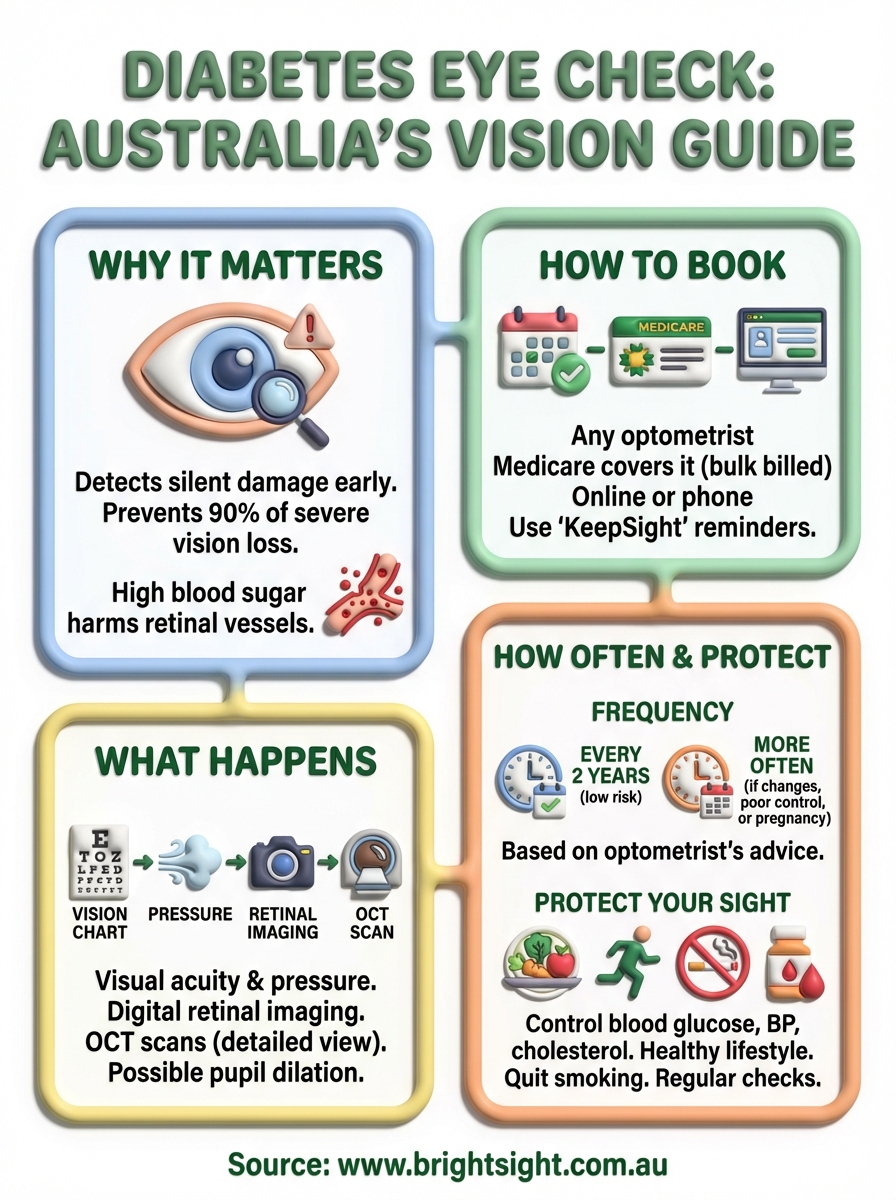
Looking after your eyes
Your vision depends on consistent diabetes management alongside regular screening. Keeping your blood glucose levels stable reduces retinal damage between appointments, while controlling blood pressure and cholesterol protects the small vessels in your eyes. Simple daily habits matter: quit smoking, eat nutrient-rich foods, exercise regularly, and attend all scheduled diabetes eye check appointments. Don’t wait for symptoms to appear because diabetic retinopathy progresses silently in its early stages.
If you notice sudden vision changes, floaters, or flashing lights, contact an optometrist or ophthalmologist immediately rather than waiting for your next routine screening. Early intervention through your regular diabetes care team prevents complications and preserves your sight for the long term. Book a comprehensive eye examination at Bright Sight Eye Specialists if you need specialist diabetic retinopathy assessment or treatment in Sydney’s eastern suburbs.