


Diabetes affects more than just blood sugar levels, it can quietly damage the delicate blood vessels in your eyes, sometimes without any warning signs. The diabetes effect on vision is one of the most common yet preventable complications of this chronic condition, with diabetic retinopathy alone affecting nearly one in three people living with diabetes.
If you’ve been diagnosed with diabetes, understanding how it impacts your eyesight isn’t just useful information, it’s essential for protecting your long-term vision. High blood sugar levels can lead to a range of eye conditions, from mild blurriness to severe sight loss, but early detection makes a significant difference. At Bright Sight Eye Specialists, Dr. Rahul Dubey provides comprehensive diabetic eye disease management, including advanced diagnostic imaging and treatments such as laser therapy and intravitreal injections to help preserve your sight.
This article explains how diabetes affects your eyes, the warning signs you shouldn’t ignore, and practical steps you can take to reduce your risk of vision loss. Whether you’re newly diagnosed or have been managing diabetes for years, knowing what to look for, and when to seek specialist care, can help you maintain healthy vision for the future.
Why diabetes can affect your vision
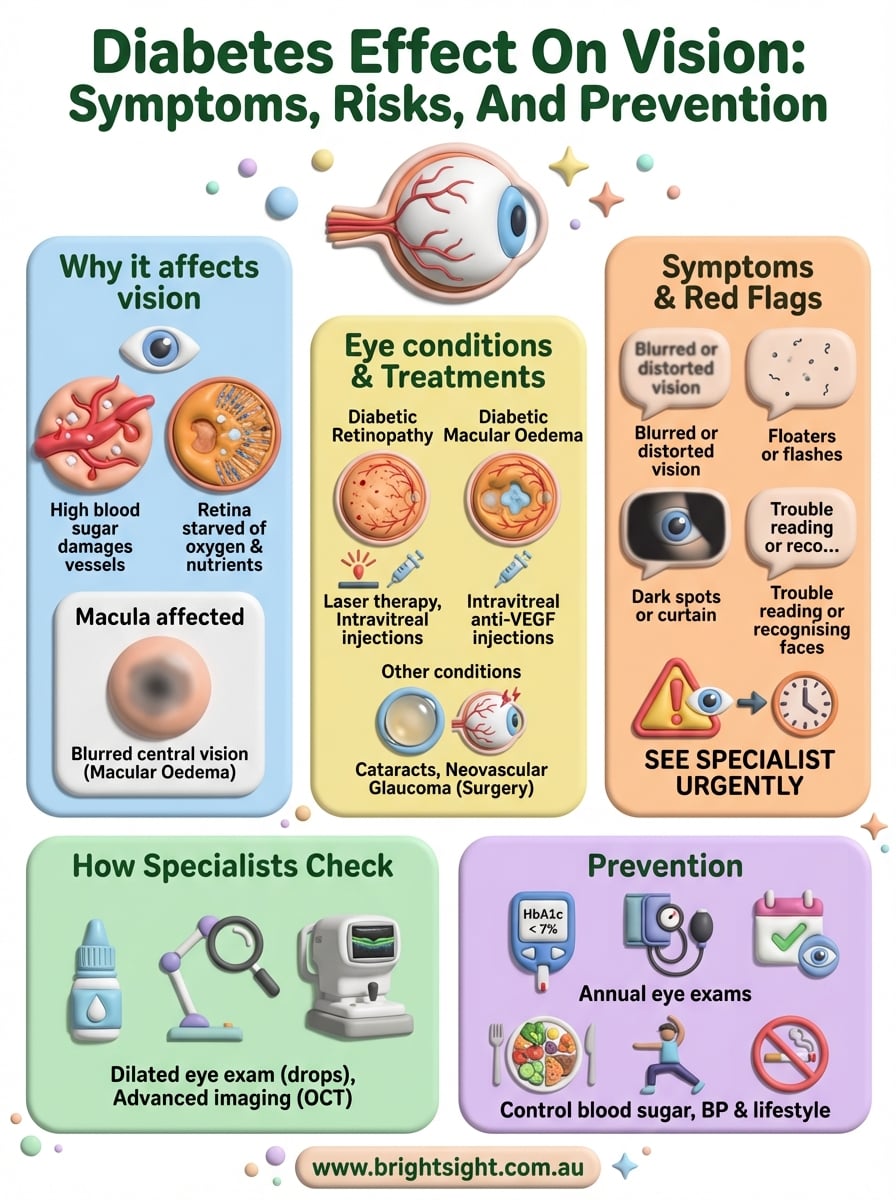
Your eyes rely on a network of tiny blood vessels to function properly, and diabetes directly threatens these delicate structures. When your blood sugar levels remain elevated over time, the excess glucose in your bloodstream damages the walls of these small vessels, particularly those in the retina, the light-sensitive tissue at the back of your eye. This damage disrupts the normal flow of oxygen and nutrients your eyes need to maintain clear, healthy vision.
High blood sugar damages blood vessels
Prolonged exposure to high glucose levels weakens the walls of blood vessels throughout your body, but the impact on your eyes happens differently than you might expect. The vessels in your retina are particularly thin and fragile, making them vulnerable to leakage and swelling. When damaged, these vessels can leak fluid or blood into the surrounding tissue, distorting your vision and potentially causing permanent scarring if left untreated.
The diabetes effect on vision doesn’t happen overnight. Instead, chronically elevated blood sugar causes gradual changes to the protein structures within vessel walls, making them brittle and prone to ballooning outward in weak spots called microaneurysms. Over time, your body may try to compensate by growing new blood vessels, but these abnormal vessels are fragile and bleed easily, leading to more serious complications.
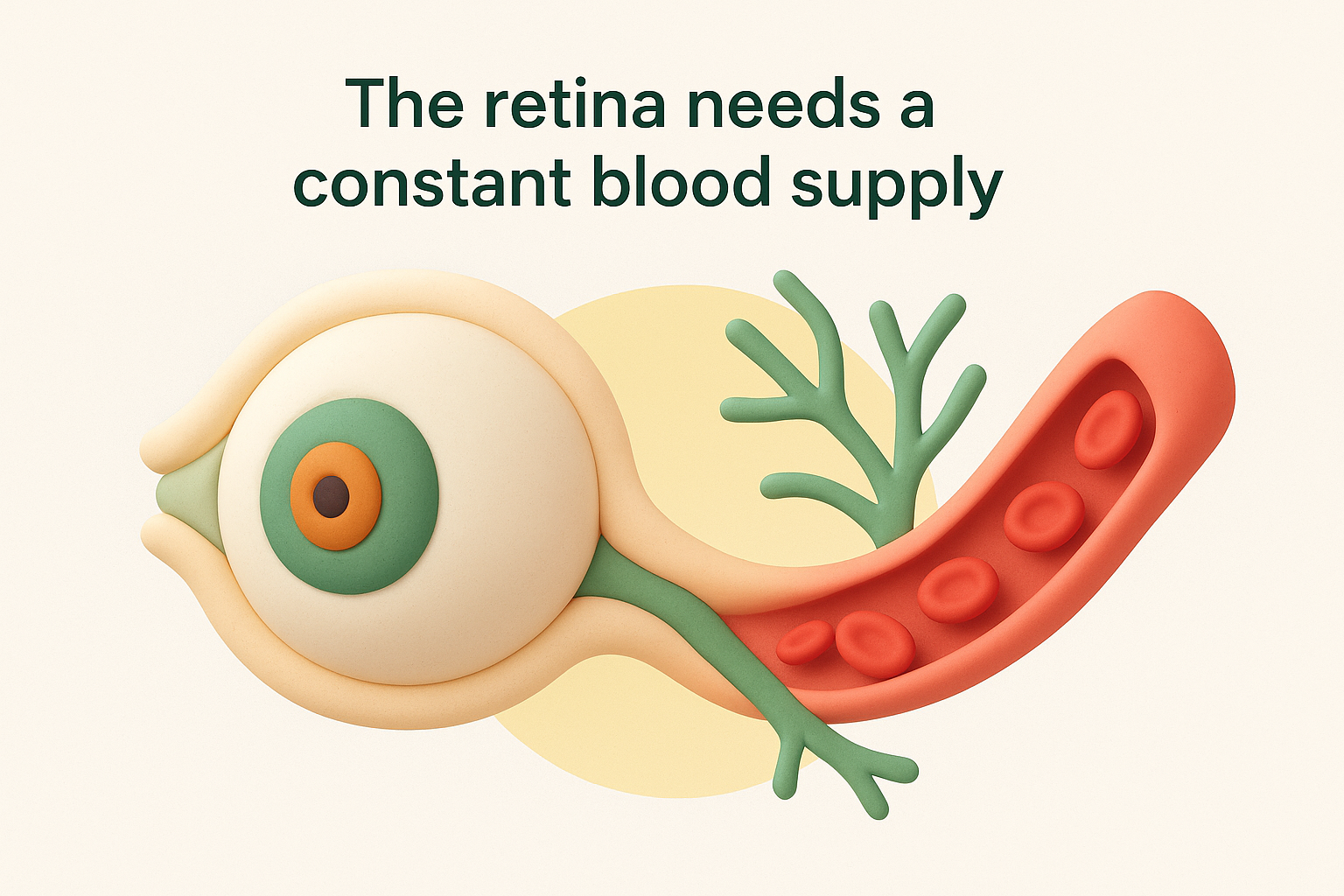
The retina needs a constant blood supply
Your retina contains millions of photoreceptor cells that convert light into the electrical signals your brain interprets as vision, and these cells require a steady supply of oxygen to survive. When diabetes damages the blood vessels feeding your retina, the affected areas become starved of oxygen, a condition called ischaemia. This oxygen deprivation triggers a cascade of problems, from reduced visual clarity to the growth of problematic new vessels.
Even mild disruptions to retinal blood flow can affect your ability to focus, read fine print, or see clearly in low light conditions.
The macula, the central part of your retina responsible for sharp, detailed vision, is especially sensitive to these blood vessel changes. When fluid accumulates in this area, a condition called macular oedema, you’ll notice blurred or wavy central vision that makes everyday tasks like reading or driving increasingly difficult.
Blood vessel changes happen gradually
One of the most concerning aspects of diabetic eye damage is that it progresses silently in the early stages. You won’t feel pain or notice obvious symptoms until the condition becomes more advanced, which is why regular eye examinations are essential for anyone with diabetes. By the time you experience blurred vision, floaters, or dark spots, the damage may already be significant.
Your blood sugar control plays a direct role in how quickly these changes develop. Consistently high HbA1c levels (a measure of your average blood sugar over three months) accelerate vessel damage, while maintaining tighter control can slow or even prevent these complications from worsening.
Eye conditions linked to diabetes and treatments
Diabetes affects your eyes through several distinct conditions, each with specific treatment approaches. Understanding these conditions helps you recognise what your eye specialist is monitoring during your regular examinations and what treatment options exist if problems develop.
Diabetic retinopathy
Diabetic retinopathy is the most common diabetes effect on vision, occurring when damaged blood vessels leak or grow abnormally in your retina. In the non-proliferative stage, small bleeds and fluid leaks cause mild vision changes that you might not notice. Your eye specialist may recommend careful monitoring at this stage, with treatment focused on controlling your blood sugar and blood pressure.
When retinopathy progresses to the proliferative stage, fragile new blood vessels grow across your retina, increasing the risk of serious bleeding and retinal detachment. Treatment at this stage typically involves laser photocoagulation, which seals leaking vessels and prevents further abnormal vessel growth. Dr. Dubey performs these procedures to preserve your remaining vision and prevent further deterioration.
Diabetic macular oedema
Macular oedema occurs when fluid accumulates in your macula, causing blurred central vision that affects reading and recognising faces. This condition can develop at any stage of diabetic retinopathy and requires prompt treatment to prevent permanent damage.
Intravitreal injections of anti-VEGF medications have become the gold standard treatment for diabetic macular oedema, reducing swelling and improving vision in most patients.
Your eye specialist injects these medications directly into your eye to block the proteins that cause vessel leakage and swelling. Treatment typically requires multiple injections over several months, with many patients experiencing significant vision improvement.
Other diabetic eye conditions
Diabetes also increases your risk of cataracts at a younger age and can lead to neovascular glaucoma when abnormal blood vessels block fluid drainage in your eye. Both conditions require specific surgical treatments, with cataract surgery often combined with diabetic retinopathy management for the best outcomes.
Symptoms and red flags to take seriously
Recognising the early warning signs of diabetic eye disease gives you the best chance of preserving your vision through prompt treatment. The diabetes effect on vision often develops without pain or obvious symptoms, which means you need to pay attention to subtle changes that might seem unimportant at first. Many people dismiss blurred vision as simple tiredness or assume they just need new glasses, but these signs could indicate damage to your retina that requires specialist attention.
Early warning signs you might miss
Your eyes may show subtle changes long before you experience obvious vision loss. Fluctuating vision throughout the day, particularly after meals when your blood sugar levels peak, often signals that glucose is affecting the lens in your eye. You might notice that reading becomes more difficult or that colours appear less vibrant than usual, especially in low light conditions.
Difficulty adapting when you move from bright sunlight to dim rooms can indicate early retinal damage. These changes happen gradually, so you might not realise how much your vision has deteriorated until you compare what you can see now with photographs or memories from a few years ago.
Vision changes that need immediate attention
Several symptoms require urgent specialist assessment within days, not weeks. Sudden appearance of floaters (small dark spots or cobweb-like shapes drifting across your vision) or flashes of light indicate possible bleeding or retinal tears. If you notice a curtain or shadow moving across your field of vision, this suggests potential retinal detachment, which needs emergency treatment to prevent permanent sight loss.
Rapid vision deterioration over hours or days, dark spots that block your central vision, or complete vision loss in one eye are medical emergencies that require immediate specialist care.
Persistent blurred or distorted central vision that affects your ability to read, drive, or recognise faces needs assessment within a week, as this often indicates macular oedema requiring prompt treatment to prevent permanent damage.
How eye specialists check for diabetic eye disease
Regular screening examinations allow your eye specialist to detect the diabetes effect on vision before you notice any symptoms yourself. These comprehensive assessments involve several specific tests that examine different parts of your eye, particularly your retina, and they differ significantly from the basic vision checks you might receive at an optometrist. Understanding what happens during these examinations helps you prepare for your appointment and recognise why certain tests are necessary.
Comprehensive dilated eye examination
Your eye specialist begins by placing drops in your eyes to dilate your pupils, which takes about 20 to 30 minutes to work fully. Dilation allows complete visualisation of your retina and blood vessels without obstruction, revealing early signs of damage that would otherwise remain hidden. You’ll experience blurred vision and light sensitivity for several hours after dilation, so arrange transport home rather than driving yourself.
During the examination, your specialist uses a specialised lens and bright light to examine your retina directly, looking for microaneurysms, haemorrhages, fluid leakage, and abnormal blood vessel growth. This hands-on assessment provides immediate information about the severity of any diabetic changes and whether you need further testing or treatment.
Advanced imaging technology
Optical coherence tomography (OCT) creates detailed cross-sectional images of your retina, revealing swelling or fluid accumulation that indicates macular oedema. Your specialist may also use fluorescein angiography, which involves injecting a fluorescent dye into your arm and photographing how it flows through your retinal blood vessels, highlighting areas of leakage or blockage that need treatment.
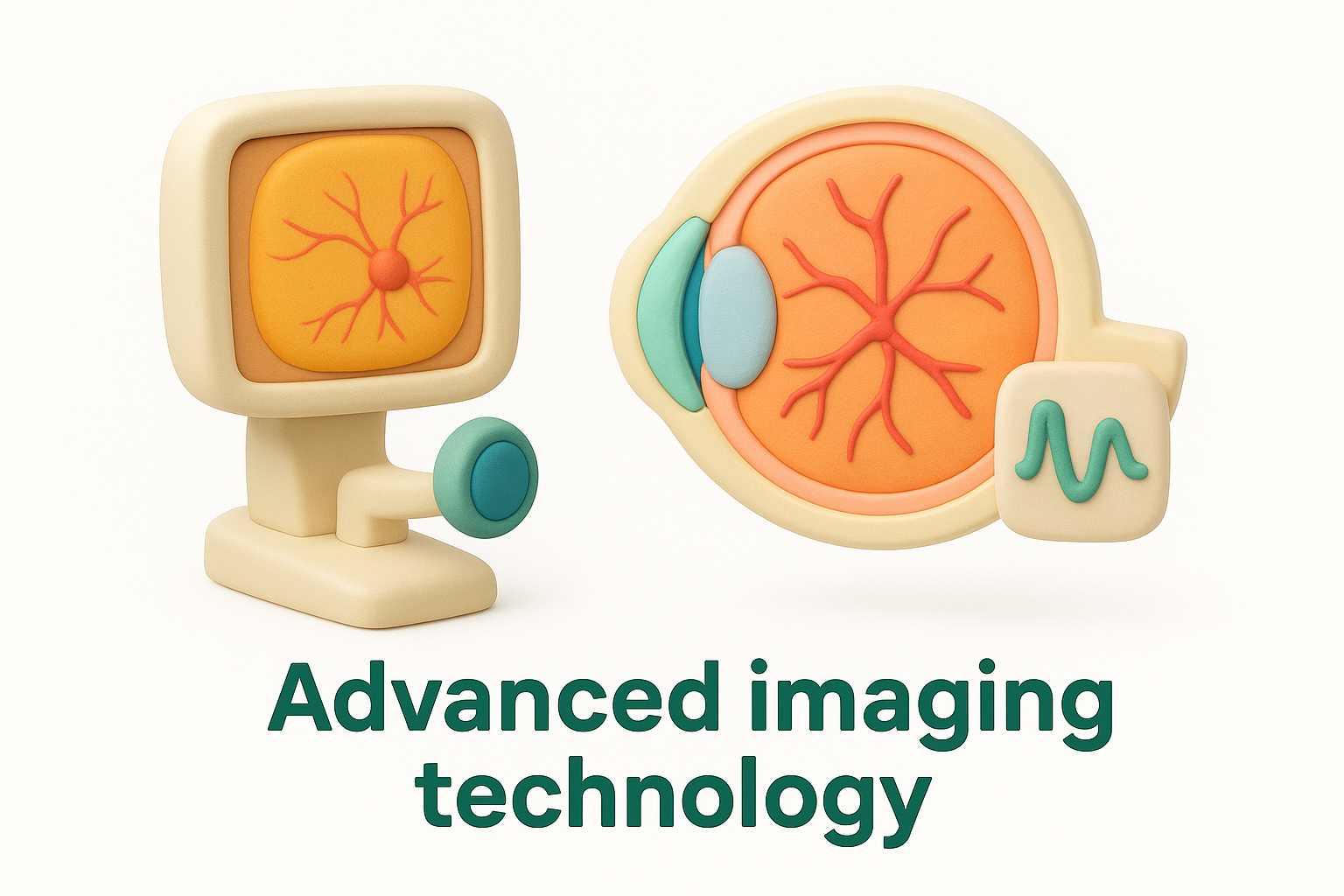
These imaging technologies detect changes months or even years before they affect your vision, making early intervention possible.
Regular monitoring schedule
Your specialist determines how frequently you need examinations based on the severity of any diabetic changes found and how well you’re controlling your blood sugar levels. Annual screening suits most people with diabetes, but you’ll need more frequent reviews if retinopathy develops.
How to prevent diabetes-related vision loss
Preventing vision loss from diabetes requires consistent action across several areas of your health, not just managing your blood sugar levels. The diabetes effect on vision develops over years, which means the daily choices you make now directly influence whether you’ll maintain healthy eyesight in the future. Your specialist can treat many diabetic eye conditions successfully when detected early, but prevention remains more effective than any treatment available.
Control your blood sugar levels consistently
Maintaining your HbA1c within target range (typically below 7%) significantly reduces your risk of developing diabetic retinopathy or slows its progression if already present. Your daily blood glucose monitoring, medication adherence, and dietary choices work together to protect the delicate blood vessels in your retina from sustained damage. Studies show that even moderate improvements in blood sugar control can reduce your risk of vision-threatening complications by up to 76%.
Consistent blood sugar management over years, not months, provides the greatest protection against diabetic eye disease.
Maintain regular specialist eye examinations
Annual dilated eye examinations detect retinal changes months before symptoms appear, allowing your specialist to intervene early when treatments work best. Missing even one examination increases your risk of undetected progression to more severe stages that require more intensive treatment.
Manage other health factors
Your blood pressure control matters almost as much as your blood sugar, with hypertension accelerating damage to retinal blood vessels. Stopping smoking reduces your risk of developing diabetic retinopathy, while maintaining a healthy weight through regular physical activity improves your body’s insulin sensitivity and overall vascular health. Managing your cholesterol levels also protects against complications that affect your retinal circulation.
Next steps for protecting your sight
Protecting your vision from the diabetes effect on vision requires consistent action rather than occasional effort. Schedule your annual dilated eye examination if you haven’t already, as early detection provides the greatest opportunity for successful treatment. Between appointments, focus on maintaining your blood sugar control, managing your blood pressure, and attending all scheduled reviews with your diabetes care team.
If you notice any sudden vision changes, floaters, or flashes of light, contact your eye specialist within 24 hours rather than waiting for your next routine appointment. These warning signs require urgent assessment to prevent permanent damage.
Dr. Rahul Dubey at Bright Sight Eye Specialists provides comprehensive diabetic eye disease management in Randwick, offering advanced diagnostic imaging, laser therapy, and intravitreal injections. Early intervention makes the difference between preserving your sight and facing vision loss, so taking action today protects your independence tomorrow.