


You glance in the mirror and notice a bright red patch spreading across the white of your eye. While it looks alarming, this common occurrence happens when a tiny blood vessel breaks beneath the clear surface of your eye. Understanding the busted blood vessel in eye causes helps you know whether you need immediate medical attention or can simply wait for it to heal on its own. Most cases resolve without treatment, but certain triggers warrant closer investigation.
This article explores the major triggers that cause blood vessels in your eye to burst, from simple actions like sneezing to underlying health conditions that need attention. You’ll learn about treatment options, recovery expectations, and warning signs that indicate when you should see an eye specialist. We’ll also cover practical steps you can take to prevent future episodes and protect your eye health.
Why blood vessels in the eye burst
The delicate blood vessels in your eye can rupture for numerous reasons, ranging from everyday physical activities to serious underlying conditions. These tiny capillaries sit just beneath the conjunctiva (the clear membrane covering the white of your eye), and even minor trauma or pressure changes can cause them to break. Understanding the busted blood vessel in eye causes helps you identify whether your situation requires medical attention or will resolve naturally.
Physical Strain and Sudden Pressure
Forceful actions that increase pressure in your head and eyes often trigger blood vessel ruptures. Violent sneezing, heavy coughing fits, and straining during bowel movements create sudden spikes in blood pressure that can burst these fragile vessels. Heavy lifting at the gym or moving furniture generates similar pressure changes, particularly when you hold your breath during exertion. Vomiting episodes, especially prolonged ones, place significant strain on the blood vessels around your eyes.
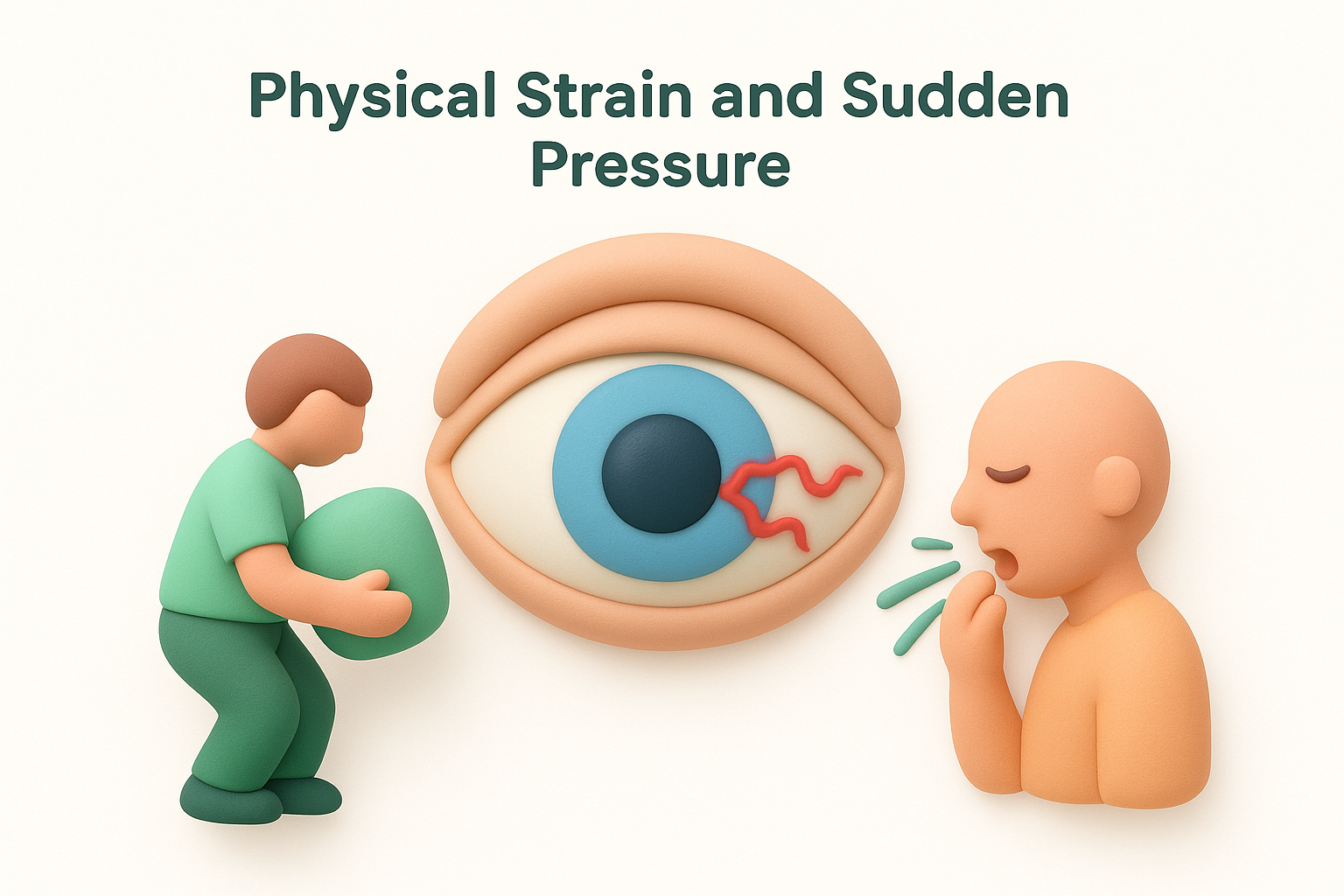
Physical trauma to your eye, even minor incidents like rubbing too vigorously or accidentally poking yourself, can easily damage these delicate capillaries.
Medical Conditions and Health Factors
Several health conditions make your blood vessels more susceptible to rupturing. High blood pressure weakens vessel walls over time, while diabetes damages small blood vessels throughout your body, including those in your eyes. Blood-thinning medications like aspirin, warfarin, or newer anticoagulants reduce your blood’s clotting ability, making haemorrhages more likely and longer-lasting. Bleeding disorders such as haemophilia or von Willebrand disease affect your body’s natural clotting mechanisms.
Age-related changes also play a role, as blood vessels become more fragile with time. Infections like conjunctivitis can inflame the eye’s surface, making vessels prone to breaking. Rare cases involve blood clots or severe eye inflammation that requires immediate medical evaluation to prevent complications.
How to treat a broken blood vessel in the eye
Most broken blood vessels in your eye require no active treatment and heal naturally within one to two weeks. Your body reabsorbs the blood gradually, similar to how a bruise fades on your skin. While you cannot speed up the healing process, several simple measures help you stay comfortable and protect your eye during recovery. Understanding that most subconjunctival haemorrhages resolve on their own often provides the reassurance you need when confronting this alarming-looking condition.
When to Use Home Care
Artificial tears offer relief if your eye feels scratchy or irritated during the healing process. You can purchase these lubricating drops over the counter at any pharmacy without a prescription. Apply them two to four times daily to soothe discomfort and keep your eye moist. Cool compresses placed gently over your closed eyelid may reduce any mild swelling or discomfort you experience.
Most importantly, resist the urge to rub your affected eye, as this can worsen the haemorrhage or introduce bacteria.
What to Avoid
Never use eye-whitening drops to mask the redness, as these products constrict blood vessels and can delay healing or cause additional irritation. Avoid aspirin or other blood thinners unless your doctor specifically requires you to take them for another medical condition, as these medications can prolong bleeding. Contact lenses should stay out of your eye until the redness completely disappears, preventing potential complications or infections.
Recovery timeline for a subconjunctival haemorrhage
Your eye’s healing process follows a predictable pattern, though the exact duration varies based on the size of the haemorrhage and your individual health factors. The blood trapped beneath your conjunctiva gradually breaks down and gets reabsorbed by your body, similar to how surface bruises fade on your skin. Understanding this timeline helps you know what to expect and reduces worry about your eye’s appearance during recovery.

Early Changes in the First Week
During the first 48 to 72 hours, you may notice the red patch appears to spread slightly or change color. This happens because the blood disperses beneath the thin conjunctival membrane before your body begins breaking it down. The redness typically looks brightest during this initial period, which can feel concerning but represents normal healing. Your eye should not become more painful or develop vision changes during this stage.
Despite its dramatic appearance, the blood usually starts fading noticeably by day five to seven as your body reabsorbs it.
Complete Resolution Period
Full healing generally takes between 10 and 14 days for small to moderate haemorrhages. Larger blood patches may require up to three weeks to disappear completely. The red color transitions through various shades as it fades, often turning orange, yellow, or pink before vanishing entirely. While the busted blood vessel in eye causes determine how extensive the bleeding becomes, your body’s natural healing mechanisms work efficiently to clear the blood regardless of the trigger.
When to see an eye specialist
Most subconjunctival haemorrhages heal without complications, but certain warning signs indicate you need professional evaluation. While the busted blood vessel in eye causes often involve harmless physical strain, some symptoms suggest underlying problems that require medical attention. You should contact an eye specialist if you notice changes beyond simple redness, as early intervention prevents potential vision damage.
Warning Signs That Need Immediate Attention
Severe pain accompanying the redness requires urgent evaluation, as typical subconjunctival haemorrhages cause minimal to no discomfort. Vision changes, including blurriness, double vision, or loss of visual field, signal potentially serious conditions affecting the retina or other internal eye structures. Blood covering your entire eye, spreading to both eyes simultaneously, or appearing after direct trauma (such as a blow to the face) needs immediate assessment.
If you take blood thinners and develop a subconjunctival haemorrhage, consult your doctor to ensure your medication dosage remains appropriate.
Recurring Episodes
Frequent recurrences of broken blood vessels warrant investigation even when individual episodes seem harmless. Your specialist can check for underlying health conditions like uncontrolled high blood pressure, diabetes, or bleeding disorders that make your vessels fragile. People experiencing three or more haemorrhages within six months should schedule a comprehensive eye examination and general health assessment to identify contributing factors.
How to prevent future eye haemorrhages
While you cannot eliminate every risk factor for subconjunctival haemorrhages, specific preventive measures significantly reduce your chances of experiencing recurrent episodes. Addressing the busted blood vessel in eye causes through lifestyle adjustments and regular medical care protects your eye health long-term. Simple changes to your daily routine often prevent future occurrences, particularly when combined with proper management of underlying health conditions.
Lifestyle Modifications
Gentle nose-blowing and controlled sneezing help avoid sudden pressure spikes that rupture delicate eye vessels. When you feel a sneeze coming, keep your mouth open to reduce the force. Proper lifting techniques matter as well. Breathe steadily during heavy lifting rather than holding your breath, which creates dangerous pressure increases. Adequate hydration and dietary fibre prevent straining during bowel movements, another common trigger for eye haemorrhages.
Protecting your eyes from trauma by wearing safety glasses during sports, yard work, or home renovation projects prevents injury-related vessel ruptures.
Medical Monitoring
Regular check-ups allow your doctor to identify and control underlying conditions like high blood pressure or diabetes that weaken blood vessels. If you take blood-thinning medications, your physician can adjust dosages to balance your bleeding risk with the medication’s benefits. Annual eye examinations help detect early signs of vessel fragility or other eye conditions that might increase haemorrhage risk.

Conclusion
Understanding the busted blood vessel in eye causes empowers you to respond appropriately when you notice that alarming red patch spreading across your eye. Most cases stem from simple physical strain like sneezing, coughing, or heavy lifting, and heal naturally within two weeks without treatment. However, recurring episodes, severe pain, vision changes, or haemorrhages following direct trauma require professional evaluation to rule out underlying health conditions that might compromise your vision.
Your best protection involves managing risk factors like high blood pressure and diabetes while taking sensible precautions during activities that might injure your eyes. Regular check-ups help identify potential problems before they cause serious complications. If you experience persistent eye issues, frequent recurrences, or have concerns about your eye health, schedule a consultation with our experienced team at Bright Sight Eye Specialists in Randwick. We provide comprehensive, personalised care tailored to your individual needs.