


You glance in the mirror and see a bright red patch on the white of your eye. It looks alarming. But in most cases, a broken blood vessel in the eye is harmless. The medical term is subconjunctival hemorrhage. It happens when a tiny blood vessel bursts beneath the conjunctiva, the clear tissue covering the white part of your eye. The blood gets trapped there, creating a red spot that can’t be wiped away. Think of it like a bruise on your eye.
This article explains what causes these red patches, what symptoms you might notice, and how to care for them at home. You’ll learn how long they typically last and when you should book an appointment with an eye specialist. Most broken blood vessels heal on their own within two weeks. Understanding what’s happening can ease your worry and help you know when professional care is needed.
Why a broken blood vessel in the eye matters
A broken blood vessel in the eye matters because its appearance can cause significant worry, even though it’s usually harmless. The bright red patch stands out against the white of your eye, making it hard to ignore. You might feel embarrassed or concerned about how it looks to others. Understanding why it happens helps you respond appropriately and avoid unnecessary stress.
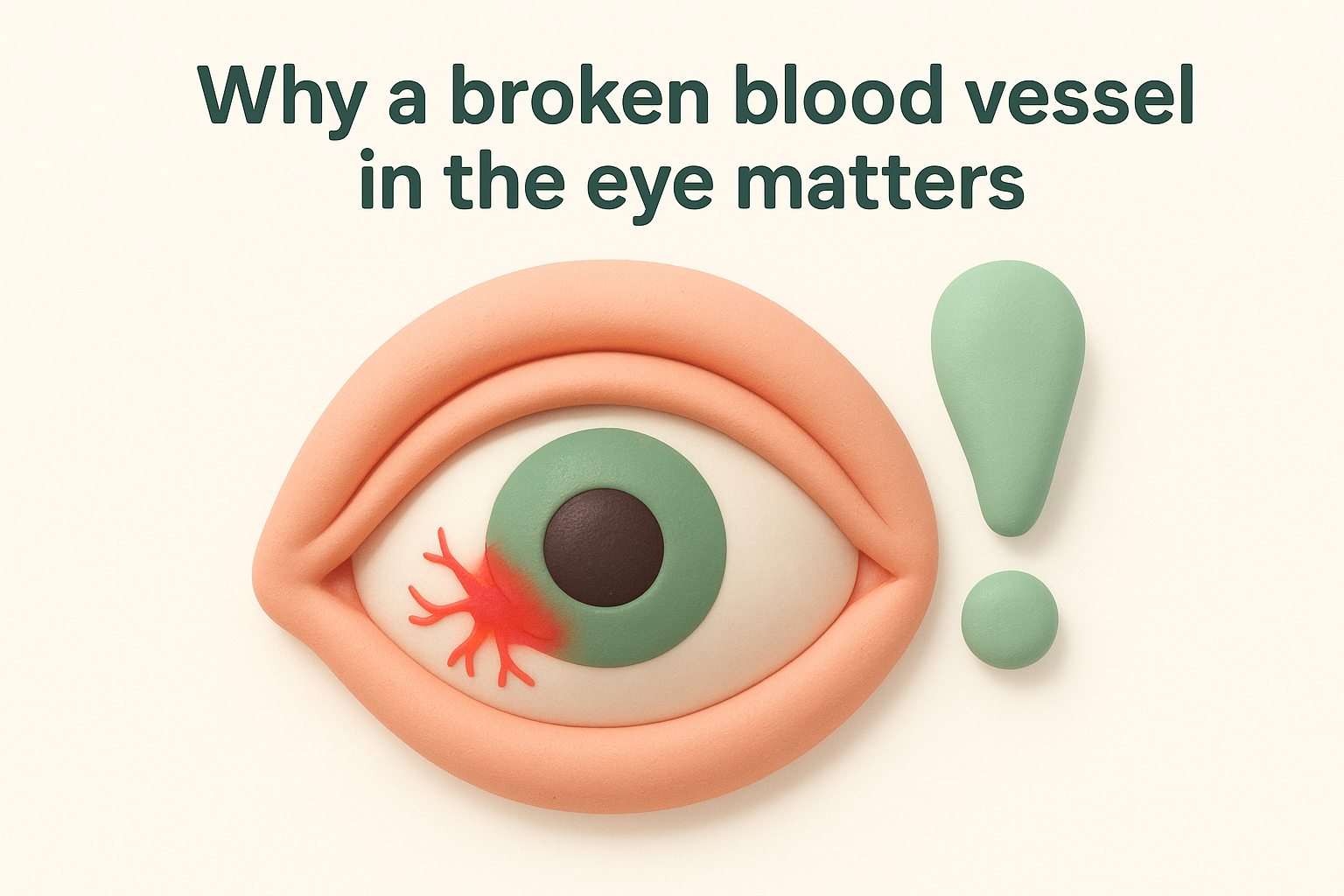
Understanding the visibility and concern
The red patch appears dramatic because the conjunctiva is transparent, which means the trapped blood shows clearly underneath. Unlike a bruise on your skin that might be partially hidden, this one sits right on the surface of your eye where everyone can see it. Your eye itself functions normally, but the visual appearance often prompts questions from family, friends, and colleagues.
Most broken blood vessels heal without treatment, but knowing when to seek help is important. Rare cases can signal underlying health issues like high blood pressure or blood clotting disorders. If you experience repeat episodes or have other symptoms like pain or vision changes, you need professional assessment.
While a subconjunctival hemorrhage looks alarming, it rarely indicates a serious problem and typically resolves on its own within two weeks.
How to care for a broken blood vessel in the eye
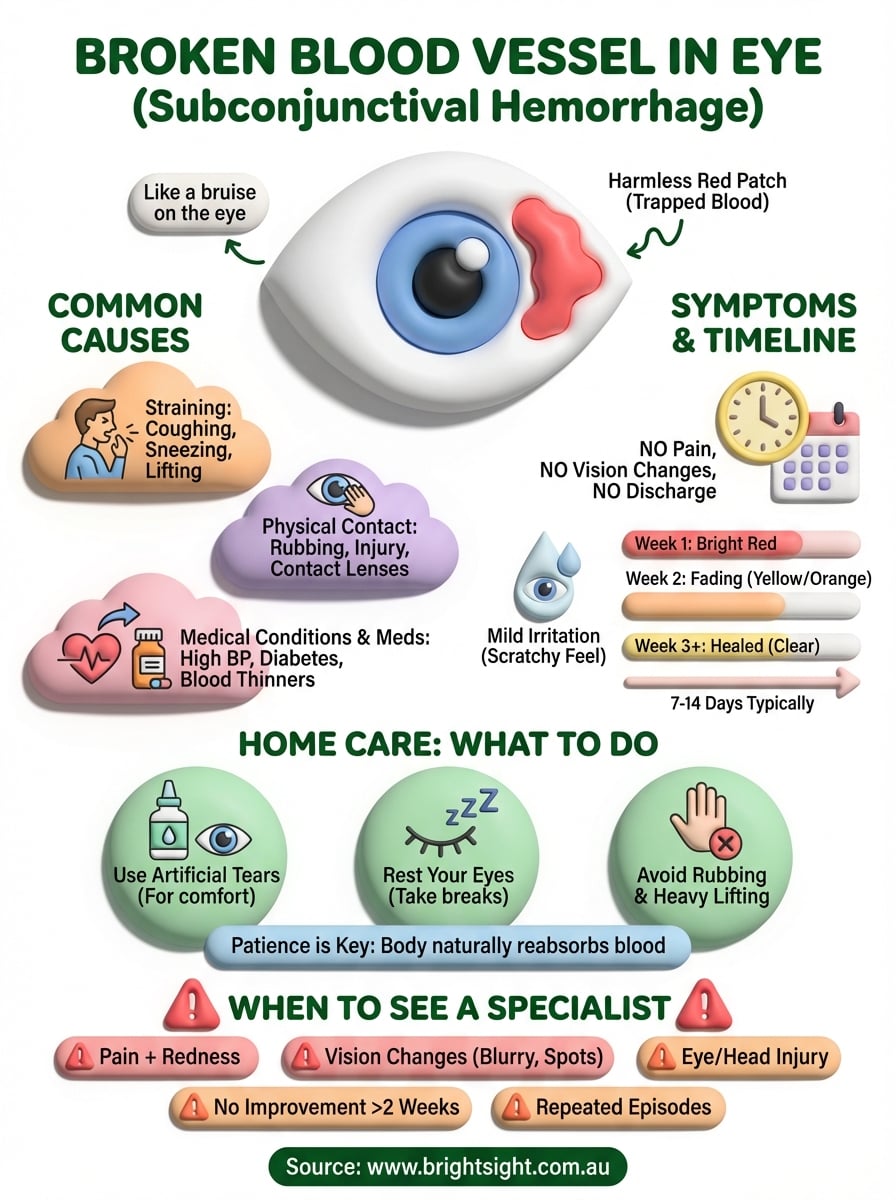
You don’t need special treatment for a broken blood vessel in the eye. Most cases heal on their own within one to two weeks without any medical intervention. Your body naturally reabsorbs the trapped blood, and the red patch gradually fades. The colour may change from bright red to yellow or orange as it heals, similar to how a bruise on your skin changes colour over time.
Immediate steps at home
Use artificial tears to relieve any mild irritation or scratchiness you might feel. These eye drops keep your eye lubricated and comfortable during the healing process. You can buy them at any pharmacy without a prescription. Apply the drops two to four times daily if your eye feels dry or gritty. Avoid rubbing your eye, as this can worsen the condition or cause additional blood vessels to break.
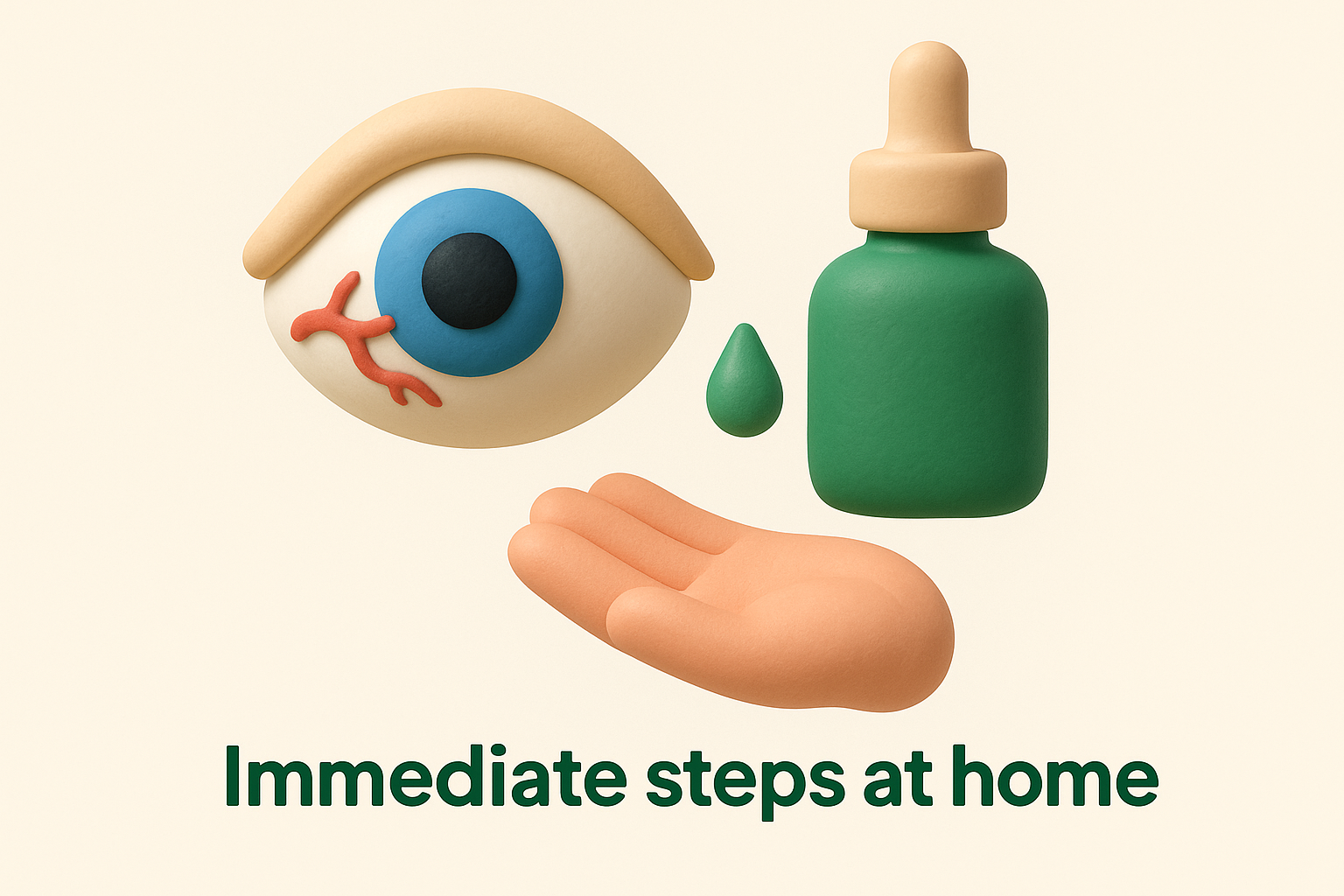
Rest your eyes if you’ve been straining them. Take regular breaks from screens and close your eyes for a few minutes throughout the day. This simple step reduces further stress on the delicate blood vessels in your eye.
What to avoid during healing
Don’t use aspirin or other blood-thinning medications unless your doctor has prescribed them for another condition. These medicines can slow the healing process and increase bleeding. Contact your regular doctor before stopping any prescribed medication.
Avoid activities that raise your blood pressure suddenly, such as heavy lifting or intense exercise, until the red patch clears. These activities can strain the healing blood vessel or cause new ones to break.
The best approach is patience, as your body will naturally clear the blood without intervention in most cases.
Common causes and risk factors
A broken blood vessel in the eye typically occurs when pressure suddenly rises in the tiny blood vessels of your conjunctiva. These delicate vessels can burst easily, even from activities you do every day. The blood leaks between the conjunctiva and the white of your eye, creating that distinctive red patch. Understanding what triggers these breaks helps you recognise patterns and reduce your risk.
Everyday triggers
Straining activities cause most cases of subconjunctival hemorrhage. When you cough forcefully, sneeze, vomit, or strain during a bowel movement, the pressure in your blood vessels spikes briefly. This sudden increase can rupture the fragile vessels in your eye. Heavy lifting or bending forward with force creates similar pressure changes.
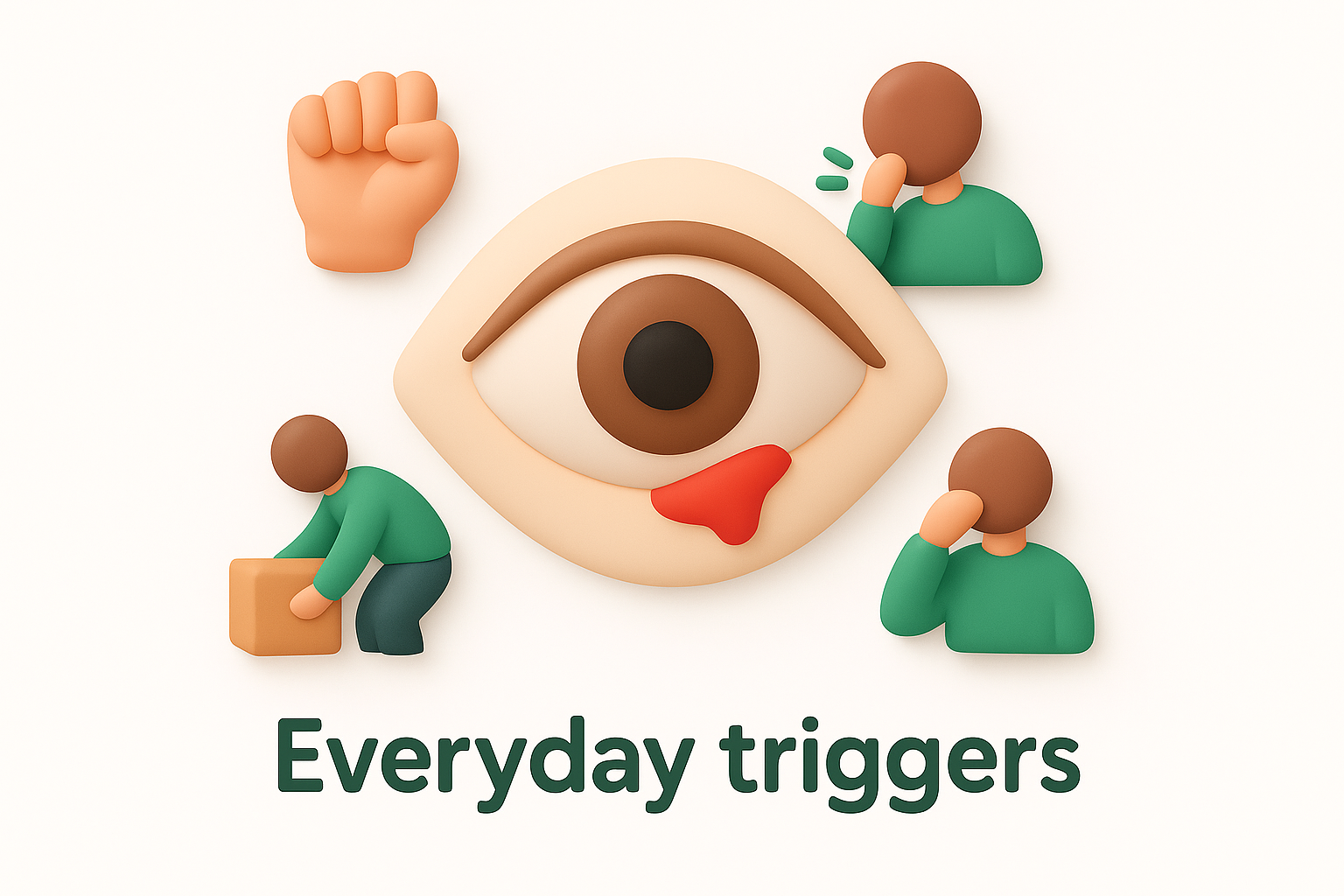
Physical contact with your eye also causes breaks. Rubbing your eye vigorously, poking it accidentally, or bumping it during sports or daily activities can damage blood vessels. Contact lens wearers face higher risk because inserting or removing lenses creates friction and pressure on the conjunctiva.
Medical conditions that increase risk
Certain health conditions make blood vessel breaks more likely. Diabetes and high blood pressure weaken blood vessel walls over time, leaving them vulnerable to rupture. Blood clotting disorders affect how well your blood forms protective clots, which can lead to more frequent bleeding episodes.
Blood-thinning medications like warfarin or aspirin prevent clots but also make bleeding easier. People aged 65 and older experience more breaks because their blood vessels become more fragile with age. Recent eye surgery temporarily increases risk as tissues heal.
If you experience repeated breaks without obvious cause, your doctor should check for underlying conditions that need treatment.
Symptoms and how long it lasts
A broken blood vessel in the eye produces one main symptom: a bright red patch on the white part of your eye. The red spot may be small or cover a large area. You won’t experience pain, discharge, or vision changes in typical cases. Some people notice mild irritation or a scratchy feeling, similar to having an eyelash in your eye. This discomfort usually remains minimal and doesn’t interfere with daily activities.
What you’ll notice
The red patch appears suddenly, often without warning. You might discover it when looking in a mirror or when someone points it out to you. The blood sits beneath the clear conjunctiva, making it impossible to wipe away. Your vision stays clear and sharp because the blood doesn’t reach the cornea or inner parts of your eye. No swelling or puffiness typically occurs around the affected area.
Healing timeline
Most broken blood vessels heal completely within seven to fourteen days. Larger patches may take up to three weeks to disappear fully. During healing, the red colour gradually fades and may shift to yellow or orange before vanishing completely. This colour change mirrors how a bruise on your skin heals over time. Your eye reabsorbs the trapped blood naturally without any medical intervention needed.
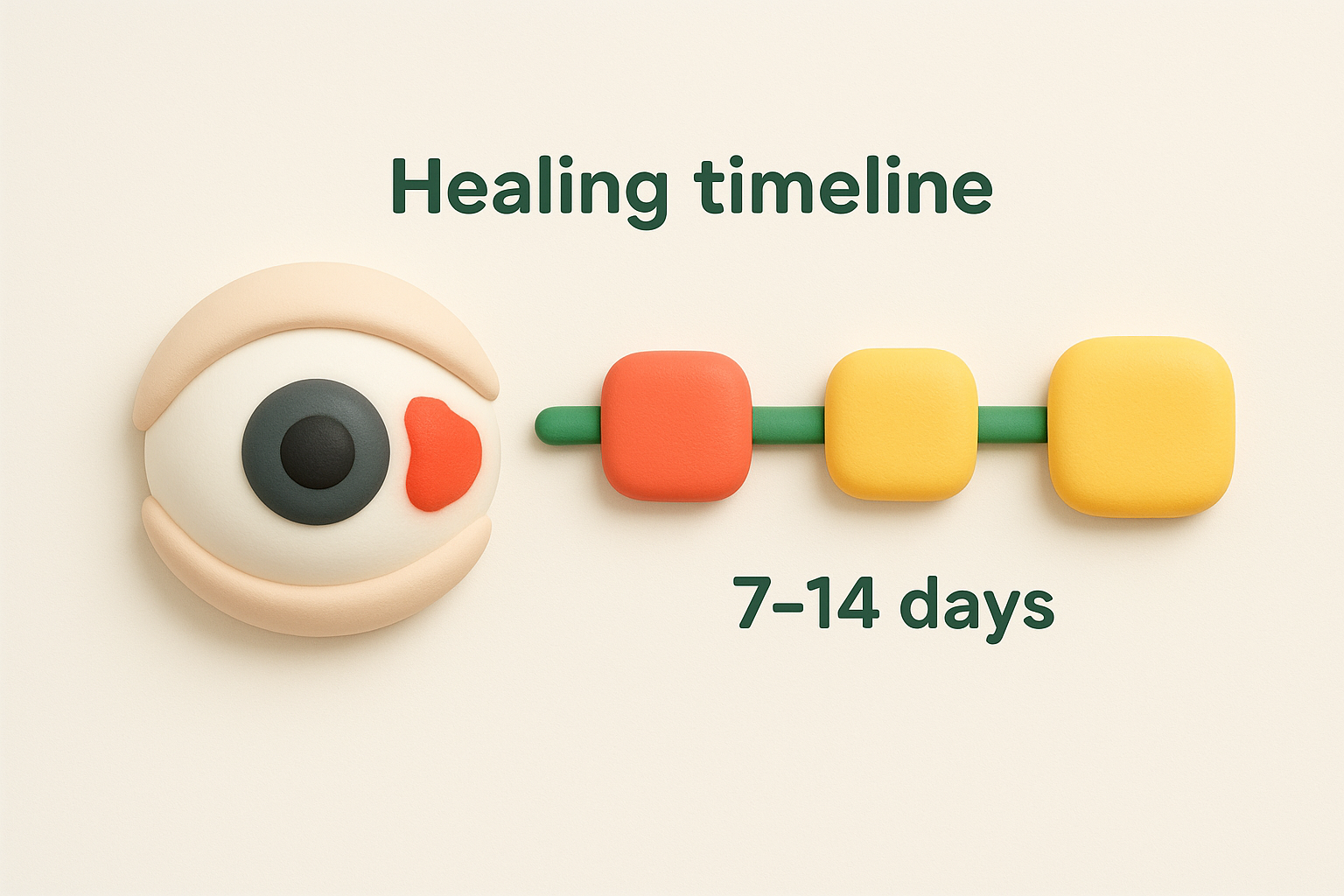
The bright red appearance fades progressively as your body clears the blood, with complete healing typically occurring within two weeks.
When to see an eye specialist
Most cases of broken blood vessel in the eye heal without medical attention. However, certain situations require professional assessment. You should contact an eye specialist if you experience pain alongside the red patch, as this combination may signal a more serious condition like hyphema, where blood collects inside the front of your eye rather than just on the surface.
Warning signs that need attention
Book an appointment if you notice vision changes such as blurriness, cloudiness, or blind spots. These symptoms don’t normally occur with simple subconjunctival hemorrhage. You should also seek care if the red patch doesn’t improve after two weeks or if you develop multiple broken blood vessels in both eyes at once. Repeated episodes without clear cause need investigation to rule out underlying health problems like clotting disorders.
Urgent medical situations
Visit an eye specialist immediately if a head or eye injury caused the bleeding. Trauma can damage deeper eye structures that need prompt treatment. Schedule an urgent appointment if you have light sensitivity or discharge accompanying the red patch, as these symptoms suggest infection rather than a simple broken blood vessel.
If you experience pain, vision changes, or injury along with the red patch, professional evaluation becomes essential.
Key takeaways
A broken blood vessel in the eye looks alarming but rarely indicates a serious problem. The bright red patch heals on its own within two weeks in most cases, requiring no treatment beyond artificial tears for comfort. You should avoid rubbing your eye and give your body time to reabsorb the trapped blood naturally.
Watch for warning signs that need professional attention: pain, vision changes, or repeated episodes without obvious cause. These symptoms may signal underlying conditions that require proper diagnosis and treatment. If you experience any concerning symptoms or have questions about your eye health, book an appointment with Bright Sight Eye Specialists in Randwick. Our team provides comprehensive eye care and can assess any concerns about your vision or eye health.