


You glance in the mirror and notice a bright red patch spreading across the white of your eye. It looks alarming, perhaps even frightening, but before you panic, know that broken blood vessel in eye treatment is often simpler than you might expect. This common condition, called a subconjunctival haemorrhage, happens when a tiny blood vessel breaks just beneath the clear surface of your eye. While the appearance can be startling, most cases resolve on their own without any lasting damage to your vision.
The good news is that this type of eye bleed rarely causes pain or affects your sight. However, understanding when you can safely manage it at home and when you should seek professional advice matters. Certain symptoms, like vision changes, recurrent bleeding, or eye trauma, warrant a closer look from a specialist to rule out underlying conditions.
At Bright Sight Eye Specialists, Dr Rahul Dubey and our team regularly help patients in Sydney’s Eastern Suburbs understand and manage eye concerns just like this one. In this guide, we’ll walk you through what causes these broken blood vessels, how long recovery typically takes, effective at-home comfort measures, and the warning signs that mean it’s time to book an appointment with an eye specialist.
What a broken blood vessel in the eye looks like
A subconjunctival haemorrhage appears as a bright red patch spreading across the white part of your eye. The blood sits just beneath the conjunctiva, which is the thin, transparent membrane covering the sclera (the white outer layer). Because this membrane is clear, you can see the leaked blood vividly against the white background. The contrast makes it look more dramatic than it actually is.

The classic appearance of subconjunctival haemorrhage
When you first notice a broken blood vessel, you’ll typically see a well-defined patch of blood that can range from a small spot to covering nearly half the white of your eye. The bleeding doesn’t spread beyond the edge where the white meets the coloured iris. Some people describe it as looking like someone dabbed red paint on their eyeball, while others compare it to the appearance of a bruise.
The blood pools in one area rather than spreading evenly across your entire eye. You might notice the redness appears darker and more concentrated in the centre of the patch, fading slightly at the edges. The conjunctiva itself may look slightly raised or puffy over the blood, giving the eye a mildly swollen appearance when you look at it from the side.
A subconjunctival haemorrhage can look alarming, but it’s worth remembering that the amount of blood involved is actually quite small, typically just a few drops.
What you’ll see (and what you won’t)
Unlike other eye conditions, a subconjunctival haemorrhage causes no vision changes whatsoever. Your eyesight remains clear and sharp. You won’t see floaters, flashes of light, or any distortion in your visual field. The redness stays on the surface and doesn’t affect the internal structures that control your sight.
Most people feel no pain or discomfort from the blood itself. Your eye doesn’t itch, burn, or ache. However, some people report a mild scratchy sensation, similar to having an eyelash stuck under your lid. This feeling comes from slight swelling of the conjunctiva rather than the blood itself. You also won’t notice any discharge, tearing, or light sensitivity that typically accompanies other eye infections or injuries.
How the appearance changes over time
During the first 24 to 48 hours, the red patch may actually expand as more blood spreads beneath the conjunctiva. This progression doesn’t mean the bleeding is worsening, it simply reflects how blood naturally disperses in this space. After this initial period, the bleeding stops completely and your body begins the reabsorption process.
Over the next week or two, you’ll notice the bright red gradually fading through various shades. The blood transforms from vivid scarlet to darker crimson, then shifts towards orange, yellow, and finally light brown before disappearing entirely. This colour progression mirrors what happens when a bruise on your skin heals. The timeline for complete resolution typically spans 10 to 14 days, though larger haemorrhages may take up to three weeks to clear fully.
Understanding broken blood vessel in eye treatment starts with recognising these normal appearance patterns. When you know what to expect, you can monitor the healing process confidently and spot any unusual changes that might warrant professional attention. The visual progression described above represents the standard healing course, and deviations from this pattern may signal a need for specialist review.
Why it happens and who is at risk
A subconjunctival haemorrhage occurs when one of the tiny, delicate blood vessels in your conjunctiva ruptures and leaks blood into the space between the membrane and the white of your eye. These vessels are incredibly fragile, similar in thickness to a strand of hair, and they can break from surprisingly minor triggers. The conjunctiva contains no pain receptors in this area, which explains why you typically feel nothing when the bleeding starts.
What triggers a subconjunctival haemorrhage
The most common trigger is a sudden increase in blood pressure within these delicate vessels. This spike can happen when you sneeze forcefully, cough repeatedly, vomit, strain during a bowel movement, or lift something heavy. Even rubbing your eyes vigorously or bending over quickly can create enough pressure to rupture a vessel. Your body experiences these everyday actions regularly, but sometimes the timing coincides with a vessel that’s particularly vulnerable.
Physical trauma provides another clear pathway to bleeding. Getting poked in the eye, being hit by a ball, or experiencing any direct impact can tear the conjunctival vessels instantly. You might also develop a subconjunctival haemorrhage during eye surgery or after certain medical procedures that involve the eye area. Contact lens wearers occasionally see bleeding if they insert or remove lenses too roughly.
While many cases happen without warning, understanding broken blood vessel in eye treatment includes recognising that certain everyday activities can temporarily weaken your eye’s blood vessels.
Risk factors that make it more likely
Several health conditions increase your susceptibility to these bleeds. High blood pressure tops the list because it weakens blood vessel walls throughout your body, including in your eyes. Diabetes also damages small blood vessels over time, making them more prone to rupture. Blood clotting disorders, whether inherited or medication-induced, prevent your vessels from sealing properly after minor injuries.
Medications that thin your blood create another significant risk factor. Aspirin, warfarin, and newer anticoagulants like apixaban all reduce your blood’s ability to clot, meaning even tiny vessel tears bleed more freely. You face higher risk if you take these medications regularly, particularly at higher doses. Age plays a role too, as your blood vessels naturally become more fragile with time, explaining why people over 50 see subconjunctival haemorrhages more frequently than younger adults.
Home care and what not to do
The truth about broken blood vessel in eye treatment is refreshingly straightforward: your body handles the healing process entirely on its own, and no medication can speed up the absorption of blood beneath your conjunctiva. Your role centres on maintaining comfort and avoiding actions that might trigger another bleed. Most subconjunctival haemorrhages disappear within two weeks without any intervention, though you can take several practical steps to protect your eyes during this period.
What helps healing and comfort
Artificial tears provide the most effective comfort measure you can use at home. These lubricating drops soothe any scratchy sensation caused by mild swelling of the conjunctiva. Apply preservative-free artificial tears three to four times daily, or whenever your eye feels dry or irritated. You’ll find these drops at any pharmacy without needing a prescription, and they’re safe to use as often as needed.
Cold compresses can reduce minor swelling if you notice any puffiness around the affected area. Place a clean, damp cloth in the refrigerator for 10 minutes, then hold it gently against your closed eyelid for five minutes at a time. Repeat this process three times daily during the first 48 hours after you notice the bleeding. The cool temperature constricts blood vessels slightly and provides soothing relief.
While you can’t accelerate healing, keeping your eye lubricated and comfortable helps you manage the temporary cosmetic appearance with less concern.
What to avoid during recovery
Stop rubbing or touching the affected eye, even if you feel a mild scratchy sensation. Rubbing applies pressure that could dislodge the healing blood vessels or trigger additional bleeding in nearby vessels. If your eye itches, use artificial tears instead of your fingers to address the discomfort.
Avoid heavy lifting, intense exercise, and straining during bowel movements for at least 48 hours after the bleeding appears. These activities spike your blood pressure temporarily and increase the risk of expanding the existing haemorrhage or breaking another vessel nearby. Stick to gentle activities like walking until you see the red patch beginning to fade.
Contact lens wearers should switch to glasses temporarily until the redness completely resolves. Inserting and removing lenses creates friction against the conjunctiva that could irritate the healing area. You can safely resume wearing contacts once the blood has fully absorbed and your eye returns to its normal white colour.
Don’t stop taking any prescribed blood-thinning medications without consulting your doctor first. While these drugs increase bleeding risk, stopping them abruptly creates serious health dangers that far outweigh the minor inconvenience of a subconjunctival haemorrhage.
When to see a doctor urgently
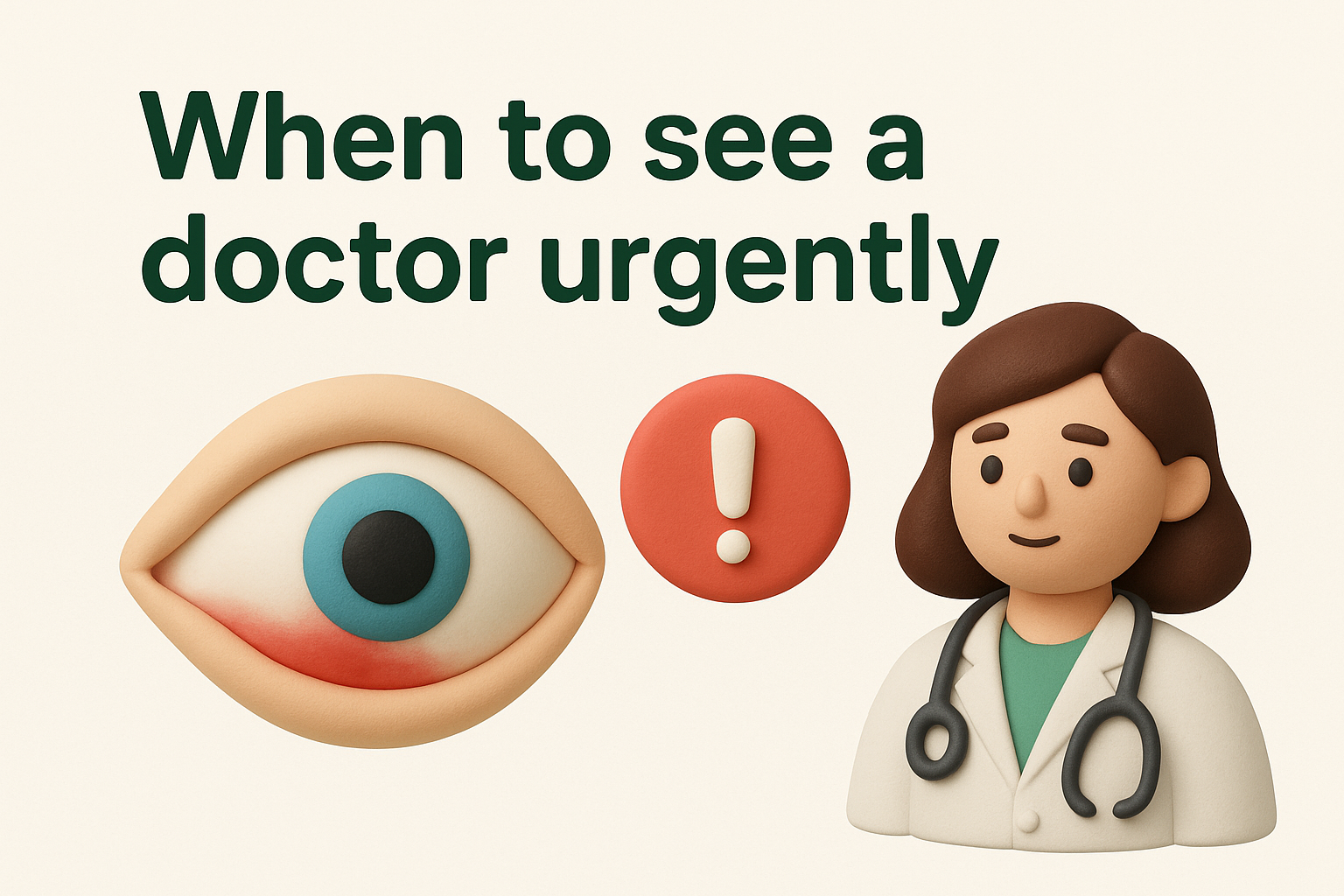
Most subconjunctival haemorrhages heal without medical intervention, but certain warning signs demand prompt professional assessment. Understanding broken blood vessel in eye treatment includes recognising when your symptoms suggest something more serious than a simple ruptured vessel. You should never ignore changes that affect your vision or indicate potential trauma to deeper eye structures. Contact an eye specialist immediately if you experience any of the red flags described below, as early intervention prevents complications and protects your long-term sight.
Red flags that need immediate attention
Vision changes accompanying a subconjunctival haemorrhage require urgent medical evaluation. Call an eye specialist straight away if you notice blurred vision, double vision, loss of peripheral sight, or dark spots floating across your field of view. These symptoms suggest the bleeding extends beyond the surface conjunctiva into deeper eye structures like the vitreous or retina. You might have sustained internal eye damage that won’t resolve on its own.
Pain represents another critical warning sign. Remember that typical subconjunctival haemorrhages cause no pain whatsoever, only perhaps a mild scratchy sensation. Sharp pain, throbbing discomfort, or a persistent ache indicates possible corneal injury, increased eye pressure, or inflammation of internal structures. You need a thorough examination to identify the underlying cause and prevent permanent damage.
Any combination of eye bleeding with vision loss or significant pain requires same-day assessment from an eye specialist, not a wait-and-see approach.
Eye trauma deserves immediate attention regardless of how minor the injury seems. If you’ve been hit in the eye, experienced a chemical splash, or noticed bleeding after any direct impact, book an emergency appointment. Trauma can fracture bones around the eye, damage the retina, or cause bleeding inside the eye that isn’t visible from the outside.
Situations requiring same-day assessment
Recurrent subconjunctival haemorrhages suggest an underlying condition needs investigation. If you’ve experienced two or more episodes within a few months, particularly without obvious triggers like sneezing or coughing, your blood vessels may be compromised by high blood pressure, clotting disorders, or blood-thinning medications requiring adjustment. Schedule a comprehensive eye examination to identify contributing factors and prevent future episodes.
Blood that spreads to cover your entire eye or shows no improvement after three weeks warrants professional review. Extensive bleeding sometimes indicates more serious vessel damage or complications with blood reabsorption. You’ll benefit from a specialist’s assessment to rule out underlying conditions and confirm the healing process is progressing normally, even if delayed.
Diagnosis and treatment from an eye specialist
When you visit Bright Sight Eye Specialists or any qualified ophthalmologist for a suspected subconjunctival haemorrhage, the appointment focuses on confirming the diagnosis and ruling out more serious conditions that might present similarly. Dr Rahul Dubey and our team conduct a thorough assessment that typically takes 20 to 30 minutes, depending on your medical history and whether any complications are present. The examination combines visual inspection with specialised equipment to ensure the bleeding truly stems from a surface vessel rather than deeper structures inside your eye.
What happens during your examination
Your specialist begins by asking detailed questions about when you first noticed the bleeding, whether you experienced any trauma, and if you’ve had similar episodes before. They’ll review your current medications, particularly blood thinners, and discuss any underlying health conditions like high blood pressure or diabetes. This medical history helps identify potential contributing factors that might require ongoing management.
The physical examination involves several steps using specialised equipment. Your specialist inspects the eye with a slit lamp, which provides magnified illumination of the conjunctiva, cornea, and anterior structures. This tool allows them to see exactly where the blood has pooled and whether any signs suggest deeper damage. They’ll check your intraocular pressure using a tonometer to ensure the bleeding hasn’t affected internal pressure. If trauma occurred, they may dilate your pupils to examine the retina and vitreous for hidden bleeding or tears.
A comprehensive eye examination doesn’t just confirm the surface bleeding, it also protects you by identifying any hidden complications that need different treatment.
Treatment approaches and follow-up care
For uncomplicated subconjunctival haemorrhages, broken blood vessel in eye treatment from a specialist typically involves reassurance and monitoring rather than active intervention. Your specialist confirms the blood will reabsorb naturally within two weeks and may prescribe lubricating drops if you’re experiencing discomfort. They’ll explain the expected healing timeline and what colour changes you should notice as the blood clears.
If your examination reveals underlying causes like uncontrolled high blood pressure, your specialist coordinates with your GP to address these risk factors. Patients taking blood thinners receive guidance on balancing medication benefits against bleeding risks, though you’ll rarely need to adjust these drugs for a simple subconjunctival haemorrhage. Your specialist schedules follow-up appointments only if the bleeding seems extensive, healing progresses slowly, or they’ve identified complications requiring monitoring. Most patients need just one visit to receive confirmation and guidance for home care.

Key takeaways
Broken blood vessel in eye treatment rarely requires medical intervention because your body naturally reabsorbs the blood within two weeks. The bright red patch you see looks alarming but causes no vision changes or pain in typical cases. You can manage comfort at home with artificial tears and cold compresses while avoiding activities that spike your blood pressure temporarily.
Watch for warning signs that demand immediate attention: vision changes, significant pain, or eye trauma. These symptoms suggest complications beyond a simple surface bleed. Recurrent episodes also warrant investigation to identify underlying causes like high blood pressure or medication effects.
Your recovery unfolds predictably as the blood fades through orange, yellow, and brown shades before disappearing completely. Most people need no specialist intervention, though having an expert examination provides peace of mind and rules out hidden complications. If you’re experiencing any concerning symptoms alongside your eye bleeding, contact Bright Sight Eye Specialists for a comprehensive assessment in Sydney’s Eastern Suburbs.