


A bleed in your eye happens when a tiny blood vessel breaks on the surface of your eyeball or deeper inside. The most common type is a subconjunctival haemorrhage. That bright red patch appears when blood leaks under the clear membrane covering the white part of your eye. You might also hear it called a burst blood vessel. While it looks alarming, surface bleeding usually clears up on its own within a week or two. Bleeding deeper inside your eye is less common but needs more attention.
This article explains what causes bleeding in different parts of your eye. You’ll learn about the triggers that can break blood vessels, from forceful sneezing to underlying health conditions. We’ll cover surface bleeds, deeper eye haemorrhages, and risk factors that make bleeding more likely. You’ll also discover when you should contact a doctor and what steps you can take to protect your eye health. Understanding these causes helps you know whether your red eye needs immediate care or will resolve naturally.
Why a bleed in the eye matters
Your eye contains delicate blood vessels that can break easily, and understanding why this happens helps you respond appropriately. Most surface bleeds look worse than they actually are. The bright red colour spreads across a large area because blood pools under the thin conjunctiva membrane. However, knowing the difference between harmless surface bleeding and serious internal bleeds protects your vision. Some types of eye bleeding signal underlying health problems that need medical attention.
Different types carry different risks
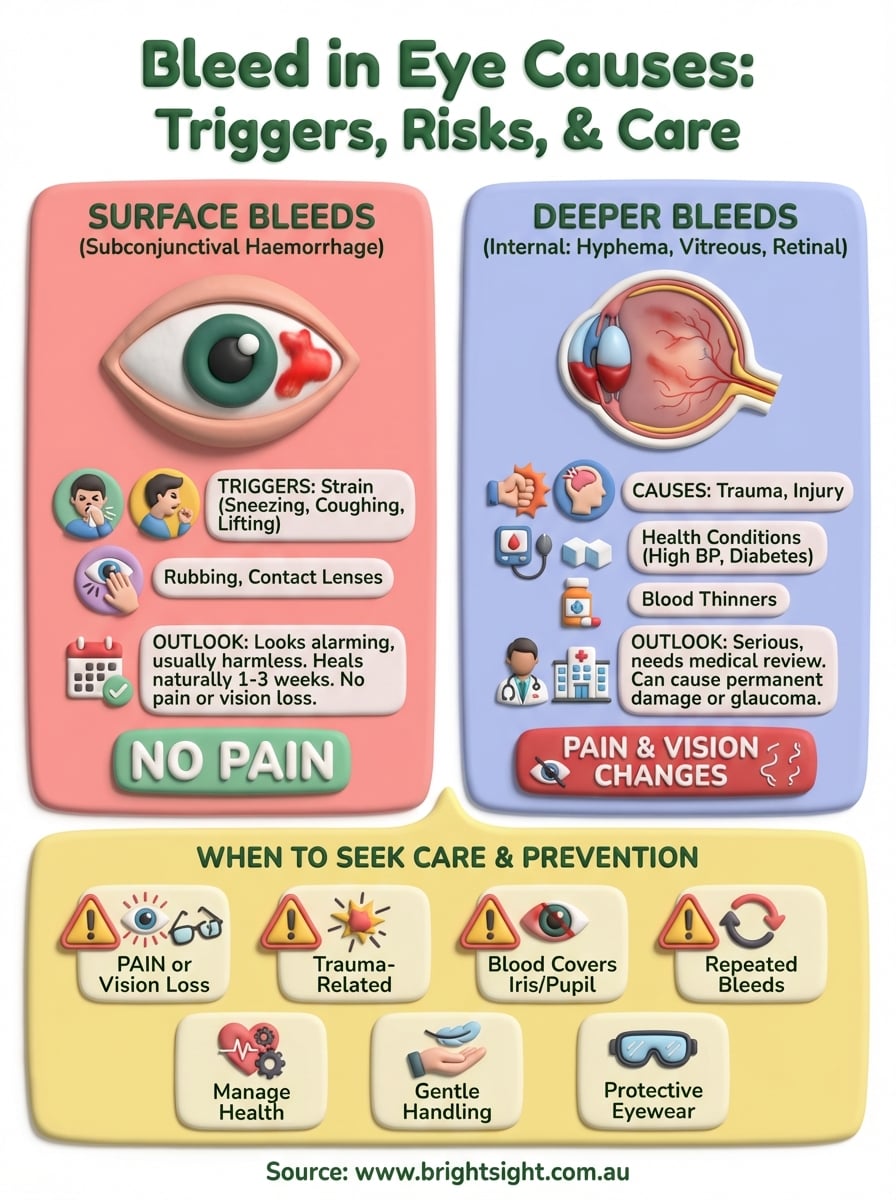
Surface bleeds rarely cause complications and typically resolve without treatment. A subconjunctival haemorrhage affects only the outer membrane, so your vision stays clear. You might feel slight irritation, but pain indicates a different problem. Bleeding deeper inside your eye carries more serious risks. A hyphema occurs when blood collects between your cornea and iris, potentially blocking your vision. This type can increase pressure inside your eye and lead to glaucoma if untreated. Vitreous haemorrhage involves bleeding into the gel-like substance filling your eyeball. This often causes floaters, blurred vision, or a red tint to everything you see.
Understanding bleed in eye causes helps you identify warning signs that need urgent care rather than simple observation.
Impact on vision and daily life
Even minor eye bleeds affect your confidence and comfort. The visible redness can last one to three weeks, making you self-conscious at work or social events. Deeper bleeds interfere with your ability to read, drive, or recognise faces. Blood inside your eye takes longer to clear because your body must slowly absorb it through natural processes. Repeated bleeds suggest underlying conditions like diabetes or high blood pressure that require management to prevent permanent vision damage.
How to respond to a bleed in the eye
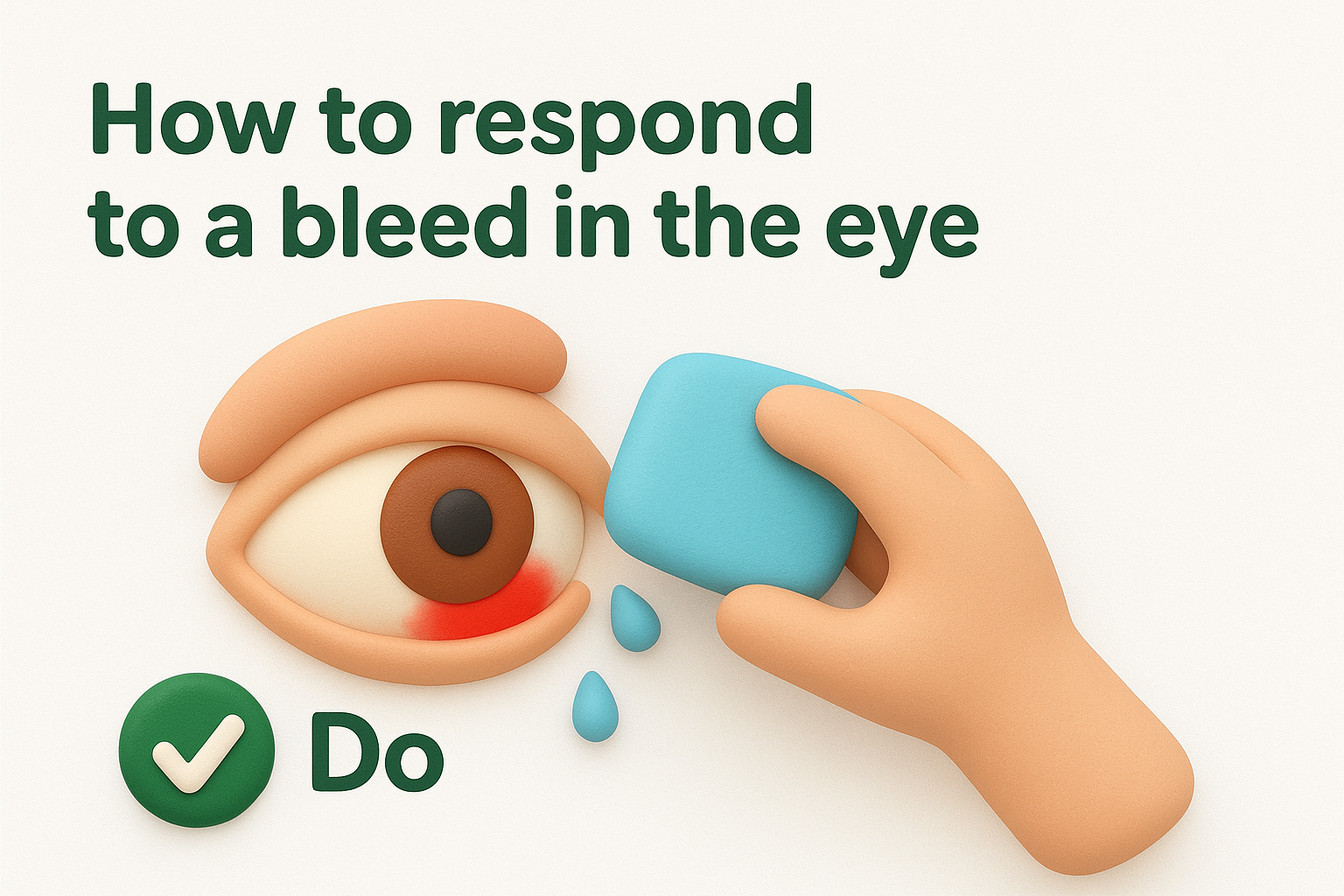
Your response to eye bleeding depends on which part of your eye is affected and whether you feel pain. Surface bleeds rarely need emergency treatment, but you should still take sensible precautions to protect your eye. Staying calm helps you assess the situation properly. Check your vision first by covering one eye and then the other. If you can see clearly and feel no discomfort beyond mild irritation, the bleed likely sits on the surface. Deeper bleeds often come with pain, pressure, or blurred vision that signals a need for urgent medical review.
First steps when you notice bleeding
Stop what you’re doing and avoid rubbing your eye, even if it feels itchy or uncomfortable. Rubbing can worsen bleeding or cause additional damage to delicate tissues. Look in a mirror to locate the red area and note its size. A surface bleed appears as a bright red patch on the white part of your eye without affecting the coloured iris or pupil. If blood covers the iris or pupil, you need immediate medical attention. Take note of any symptoms like pain, vision changes, or light sensitivity, as these details help doctors understand bleed in eye causes during your examination.
Acting quickly when you spot unusual symptoms alongside eye bleeding can prevent complications and protect your long-term vision.
What to avoid after eye bleeding
Never put pressure on your eye or attempt to wash out the blood with water or other solutions. The blood sits under a membrane, so external rinsing won’t help and might introduce infection. Avoid activities that could increase blood pressure in your eye vessels, such as heavy lifting, intense exercise, or straining during bowel movements. These actions can extend the bleeding or trigger a new rupture. Remove contact lenses immediately if you wear them and keep them out until the redness completely disappears. Using blood-thinning medications like aspirin requires a conversation with your doctor, but don’t stop prescribed medications without medical advice.
Simple home measures
Apply a cool compress to your closed eyelid for comfort if you feel mild irritation. Use a clean, soft cloth dampened with cool water and hold it gently against your eye for five to ten minutes. Artificial tears can help if your eye feels dry or scratchy, but avoid products that claim to reduce redness. These drops constrict blood vessels temporarily but don’t treat the underlying problem. Sleeping with your head slightly elevated on an extra pillow can reduce pressure and help your body reabsorb the blood more efficiently. Monitor the bleed daily and expect gradual fading over one to three weeks as your body clears the blood naturally.
Common causes of a red eye bleed
Most bleed in eye causes involve everyday activities that briefly raise pressure in the tiny blood vessels covering your eyeball. These vessels are extremely fragile and can rupture without warning. You might notice the red patch immediately or discover it hours later when you look in a mirror. Many people experience a subconjunctival haemorrhage at least once in their lifetime, often without identifying the exact trigger. Understanding common causes helps you recognise patterns and potentially reduce your risk of future episodes.
Physical strain and sudden pressure
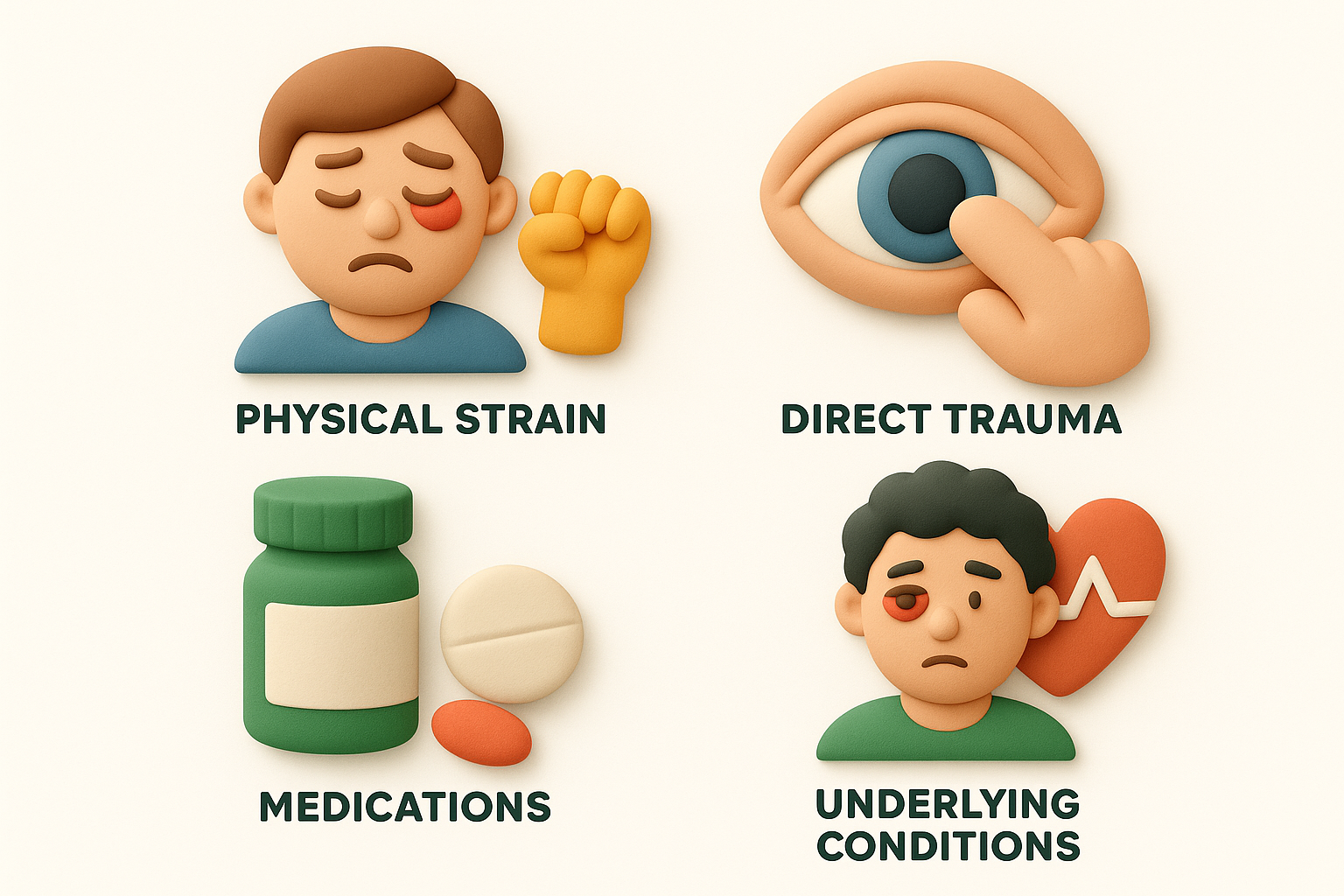
Your blood vessels experience temporary pressure spikes when you cough, sneeze, or vomit forcefully. These actions compress your chest and abdomen, pushing blood toward your head and eyes with significant force. A single powerful sneeze can rupture a delicate vessel instantly. Straining during bowel movements creates similar pressure, particularly if you experience constipation regularly. Heavy lifting at the gym or whilst moving furniture also raises pressure throughout your body, including the small vessels in your eyes. Even prolonged bending forward whilst gardening or cleaning can trigger bleeding in susceptible individuals.
Childbirth represents another common trigger because of intense pushing and straining during delivery. Many new mothers notice red patches on their eyes after giving birth. The bleeding doesn’t affect the baby and resolves naturally within a few weeks. Intense crying or laughing can occasionally cause enough pressure to break a vessel, though this happens less frequently than other forms of straining.
Direct trauma and eye irritation
Rubbing your eyes vigorously damages the delicate surface tissues and can rupture blood vessels beneath the conjunctiva. You might rub unconsciously whilst sleeping or when allergies make your eyes itch. Foreign objects like dust, eyelashes, or contact lenses can irritate your eye and lead to rubbing that causes bleeding. Direct injuries from fingers, branches, or sports equipment obviously carry higher risk. Even gentle trauma during eye examinations or minor surgical procedures occasionally triggers surface bleeds.
Contact lens wearers face increased risk because lenses can create friction and dryness that weakens blood vessels. Inserting or removing lenses roughly may cause direct trauma. Wearing lenses longer than recommended reduces oxygen flow to your eye surface, making vessels more fragile and prone to rupture.
Simple changes to how you handle your eyes can significantly reduce your risk of recurring surface bleeds caused by everyday actions.
Medications that affect clotting
Blood-thinning medications make bleeding more likely throughout your body, including your eyes. Aspirin and warfarin are common culprits that prevent normal clotting. Your doctor prescribes these to reduce stroke or heart attack risk, but they can make blood vessels bleed more easily from minor triggers. Natural supplements like fish oil, vitamin E, and ginkgo biloba also thin your blood, though many people don’t consider their potential effects on eye bleeding.
Underlying health conditions
Uncontrolled high blood pressure weakens blood vessel walls over time and causes sudden pressure surges that rupture them. You might experience repeated eye bleeds if your blood pressure remains poorly managed. Diabetes damages small blood vessels throughout your body, making them fragile and prone to bleeding. Blood clotting disorders like haemophilia affect how quickly your blood forms protective clots when vessels rupture. These conditions require ongoing medical management to reduce bleeding risks in your eyes and elsewhere.
Bleeding deeper inside the eye
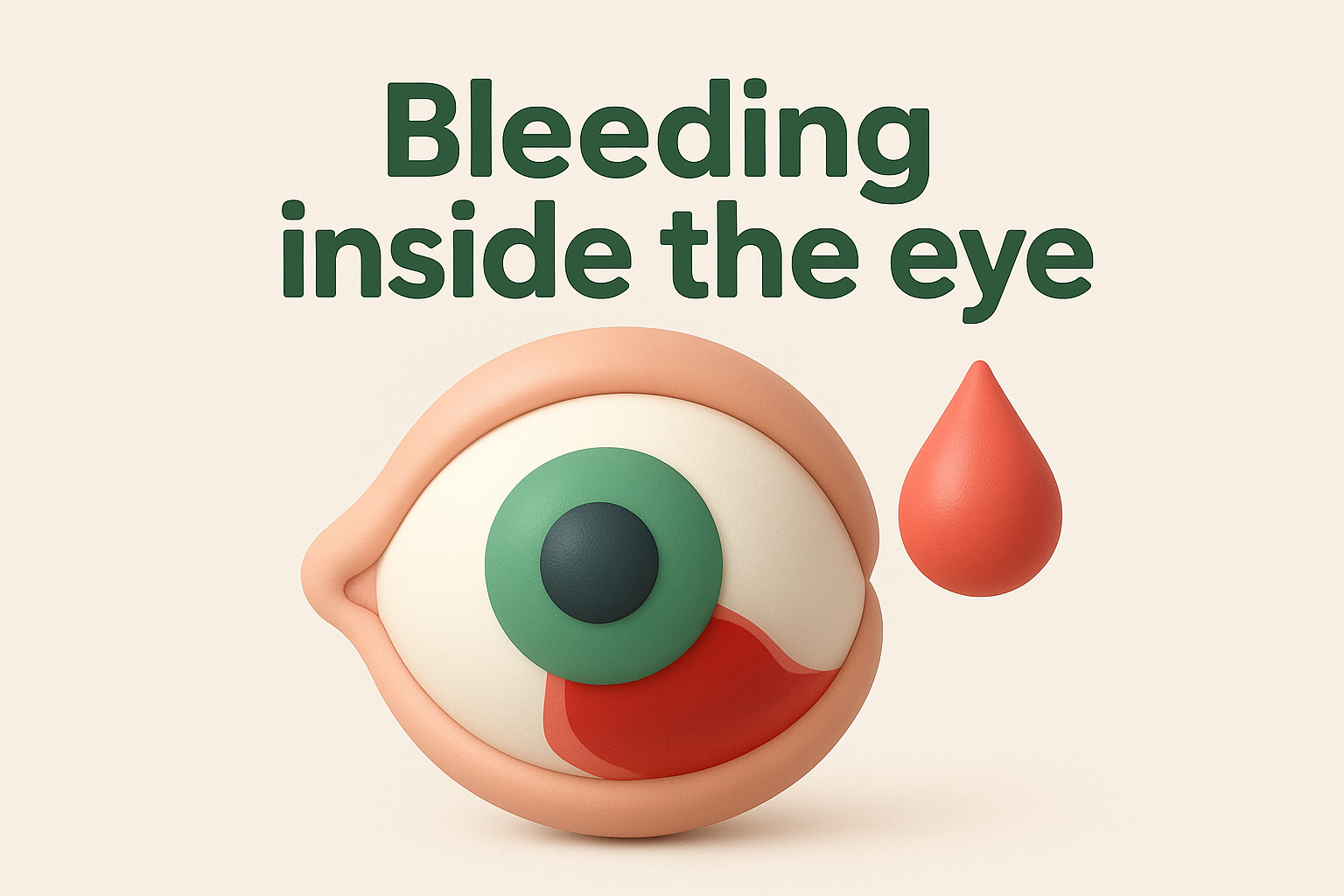
Bleeding inside your eye differs significantly from surface bleeds that you can see directly. Blood collects in spaces between internal structures, often blocking light from reaching your retina properly. This type of bleeding usually stems from more serious causes than simple vessel ruptures on the surface. You won’t see bright red patches on the white of your eye, but you’ll notice vision problems that signal something wrong inside. These bleeds require professional evaluation because they can lead to permanent damage if left untreated.
Hyphema and bleeding in the anterior chamber
A hyphema occurs when blood fills the space between your cornea and iris, the area called the anterior chamber. You’ll see blood pooling in front of the coloured part of your eye, sometimes settling at the bottom due to gravity. The blood appears as a visible red or dark layer that blocks your pupil partially or completely. Trauma causes most hyphemas, from sports injuries to accidental pokes or blows to your eye. The impact ruptures blood vessels in your iris or damages the drainage structures inside your eye.
Hyphemas cause noticeable symptoms beyond visible blood. You’ll experience pain, sensitivity to light, and blurred vision that can’t be corrected by blinking. The bleeding increases pressure inside your eye, creating a feeling of fullness or aching. Without treatment, this pressure can damage your optic nerve and lead to glaucoma. Blood can also stain your cornea if it remains too long, affecting your vision permanently. Doctors treat hyphemas by reducing eye pressure and monitoring you closely until your body reabsorbs the blood.
Understanding bleed in eye causes that affect internal structures helps you recognise when immediate medical attention becomes essential rather than optional.
Vitreous and retinal bleeding
Vitreous haemorrhage involves bleeding into the gel that fills the space between your lens and retina. This gel normally stays clear, allowing light to pass through unobstructed. When blood leaks into it, you see floaters, cobwebs, or shadows drifting across your vision. Severe bleeding creates a red tint over everything you look at or causes sudden vision loss if blood blocks light completely. Diabetic retinopathy, retinal tears, and abnormal blood vessel growth cause most vitreous bleeds.
Retinal bleeding happens when blood collects underneath or within your retina, the light-sensitive tissue lining the back of your eye. You can’t see this blood directly, but it damages the cells responsible for clear vision. Subretinal haemorrhages often result from age-related macular degeneration or injuries that tear retinal blood vessels. These bleeds affect your central vision most severely, making it difficult to read, recognise faces, or see fine details. Submacular bleeding specifically targets your macula, the small area responsible for sharp central vision.
Blood inside your eye takes weeks or months to clear naturally, depending on the amount and location. Your body must slowly break down and absorb the blood through complex processes. Doctors sometimes use laser treatment or surgery to stop ongoing bleeding and remove blood that won’t clear on its own. They also treat the underlying condition causing the bleed to prevent recurrence and protect your remaining vision.
Risk factors and prevention tips
Several factors increase your likelihood of experiencing eye bleeding, though many surface bleeds occur randomly even in healthy individuals. Understanding these risk factors helps you take preventive measures and recognise when repeated bleeds might signal underlying problems. Your age, existing health conditions, and medications all influence how fragile your eye blood vessels become. Making simple lifestyle adjustments can reduce your bleeding risk significantly and protect your long-term eye health.
Who faces higher bleeding risk
Age represents a significant factor because blood vessels become more fragile as you grow older. People over 65 experience more frequent subconjunctival haemorrhages than younger adults, often without obvious triggers. Existing health conditions dramatically increase your risk. Diabetes damages small blood vessels throughout your body, including those in your eyes, making bleeding more likely. High blood pressure weakens vessel walls and causes pressure spikes that rupture them easily. Blood clotting disorders like haemophilia or von Willebrand disease prevent normal clotting when vessels break.
Medications that thin your blood raise your bleeding risk substantially. Warfarin, aspirin, and newer anticoagulants like rivaroxaban all affect how your blood clots. Natural supplements including fish oil, vitamin E, and ginkgo biloba also thin blood, though many people don’t recognise their impact. Contact lens wearers face increased risk because lenses create friction and can irritate delicate eye tissues. Previous eye surgery or existing eye conditions make your vessels more vulnerable to rupturing from minor triggers.
Practical steps to prevent eye bleeding
Control your blood pressure and blood sugar levels through regular monitoring and medication if your doctor prescribes it. These conditions represent the most common bleed in eye causes related to underlying health problems. Schedule routine check-ups to ensure your numbers stay within healthy ranges. Manage constipation through adequate fibre and water intake to avoid straining during bowel movements, which can trigger surface bleeds.
Handle your eyes gently and avoid vigorous rubbing, even when they feel itchy from allergies or tiredness. Use artificial tears to relieve dryness rather than rubbing. Contact lens wearers should follow proper hygiene practices and replace lenses according to schedule. Never sleep in daily lenses or wear them beyond their recommended replacement date. Wear protective eyewear during sports and activities that could cause eye trauma.
Regular management of chronic conditions like diabetes and hypertension represents your most effective strategy for preventing recurrent eye bleeding episodes.
When to see a doctor about eye bleeding
Most surface eye bleeds resolve naturally without medical intervention, but certain symptoms signal serious problems that require prompt professional evaluation. You should never ignore pain, vision changes, or bleeding that follows trauma to your eye or head. These warning signs often indicate deeper bleeding or injury that needs treatment to prevent permanent damage. Contact your doctor or visit an emergency department immediately if you experience concerning symptoms alongside visible bleeding or redness in your eye.
Warning signs requiring immediate attention
Seek emergency care if you notice blood covering your iris or pupil, as this indicates a hyphema rather than a simple surface bleed. You need urgent evaluation when eye bleeding comes with severe pain that doesn’t improve with rest. Vision loss, blurred vision that persists, or seeing flashes of light all require immediate medical review because they suggest damage to internal eye structures. Bleeding that follows a blow to your head or eye needs assessment even if your vision seems normal, as internal injuries can develop gradually.
Other urgent symptoms include sudden appearance of many floaters, a dark shadow or curtain blocking part of your vision, or sensitivity to light that makes it difficult to open your eyes. Double vision combined with eye bleeding suggests nerve damage or other serious complications. You should also seek immediate care if bleeding occurs alongside severe headache, nausea, or vomiting, as these symptoms might indicate increased pressure inside your skull rather than a simple eye problem.
Understanding which bleed in eye causes require urgent care helps you make informed decisions about when to contact a doctor rather than waiting for symptoms to resolve.
Non-urgent but important symptoms
Schedule an appointment with your optometrist or GP if you experience repeated eye bleeds without obvious triggers. Frequent bleeding often signals underlying conditions like high blood pressure, diabetes, or clotting disorders that need management. Contact your doctor if a surface bleed hasn’t improved after three weeks, as most should fade significantly within this timeframe. You should also seek evaluation if you develop eye discharge, persistent irritation, or increasing redness around the bleeding area, as these symptoms suggest possible infection.
Looking after your eye health
Understanding bleed in eye causes empowers you to respond appropriately and protect your vision from potential complications. Most surface bleeds heal naturally within two to three weeks without treatment, while deeper bleeds require professional evaluation to prevent permanent damage. You can reduce your bleeding risk by managing underlying conditions like diabetes and hypertension, handling your eyes gently throughout daily activities, and wearing protective eyewear during sports or tasks that could cause injury. Regular monitoring becomes essential if you take blood-thinning medications or live with chronic health conditions that affect your blood vessels.
Seek prompt medical attention when bleeding comes with pain, vision changes, or follows trauma to your eye or head. Your local eye specialist can identify the underlying cause, rule out serious complications, and provide appropriate treatment if necessary. Schedule a consultation at Bright Sight Eye Specialists if you experience repeated eye bleeds or notice any concerning symptoms alongside visible bleeding. Early professional evaluation protects your long-term vision and ensures any underlying conditions receive proper management before they cause irreversible damage to your sight.