


Noticing a black spot in my eye is a concern we hear often from patients at Bright Sight Eye Specialists. That sudden shadow drifting across your vision can be unsettling, and it’s natural to wonder whether it’s something harmless or a sign of a serious eye condition requiring urgent attention.
The truth is, black spots in your vision can range from completely benign floaters, those wispy shadows many people experience as they age, to warning signs of conditions like retinal tears or detachment that need immediate treatment. Understanding the difference could be crucial for protecting your sight.
In this article, we explain what causes these visual disturbances, outline the warning signs that should prompt you to seek urgent care, and discuss the treatment options available. Whether you’re experiencing your first floater or noticing a sudden increase in spots, this guide will help you understand what your eyes might be telling you.
Why a black spot in your vision matters
Your retina sits at the back of your eye, capturing light and sending visual signals to your brain. This delicate layer of tissue has no pain receptors, which means serious problems can develop without any physical discomfort warning you. A black spot in your vision becomes one of the few ways your eye can alert you to potential damage before it’s too late.
What spots reveal about your eye health
The appearance of black spots or shadows tells you something important about the gel-like vitreous inside your eye or the retina itself. As you age, the vitreous naturally shrinks and can pull away from the retina in a process called posterior vitreous detachment. This often creates harmless floaters that drift across your field of vision. However, this same shrinking process can sometimes tear the retina, creating a small opening that allows fluid to seep underneath. A tear can progress to retinal detachment within hours or days if left untreated.
The risk increases significantly because retinal detachment causes permanent vision loss in the affected area. Your retinal cells cannot regenerate, so any damage you sustain becomes irreversible without prompt intervention.
Most floaters are harmless, but sudden changes in your vision can indicate a medical emergency that needs treatment within 24 to 48 hours.
Why timing determines your outcome
Your window for effective treatment narrows quickly once retinal problems begin. If you notice a sudden increase in floaters, flashes of light, or a curtain-like shadow spreading across your vision, the tissue may already be tearing or detaching. Treatment works best when we identify and address these issues early, often preserving your sight completely. Waiting even a few days can mean the difference between a simple laser procedure and complex vitrectomy surgery with less certain results.
How to check if it is a floater
You can perform a simple test at home to determine whether that black spot in my eye behaves like a typical floater. Look at a plain, light-coloured surface such as a blank wall or clear blue sky, then move your eyes quickly from side to side or up and down. True floaters will drift in the direction your eyes move, then slowly float back across your field of vision as your eye settles. This movement pattern occurs because floaters are actually tiny clumps of cells or protein suspended in the vitreous gel inside your eye.
What normal floaters look like
Harmless floaters typically appear as semi-transparent shadows rather than solid black spots. You might see them as wispy strands, cobwebs, rings, or small dots that shift position when you try to look directly at them. They become most noticeable against bright, uniform backgrounds like a computer screen or overcast sky.
Normal floaters drift slowly and follow the movement of your eyes, while symptoms of retinal problems tend to be more fixed or rapidly increasing.
Most people develop a few floaters as they age, and these usually become less bothersome over time as your brain learns to ignore them. The key distinction is stability: existing floaters that haven’t changed in months or years rarely indicate a problem.
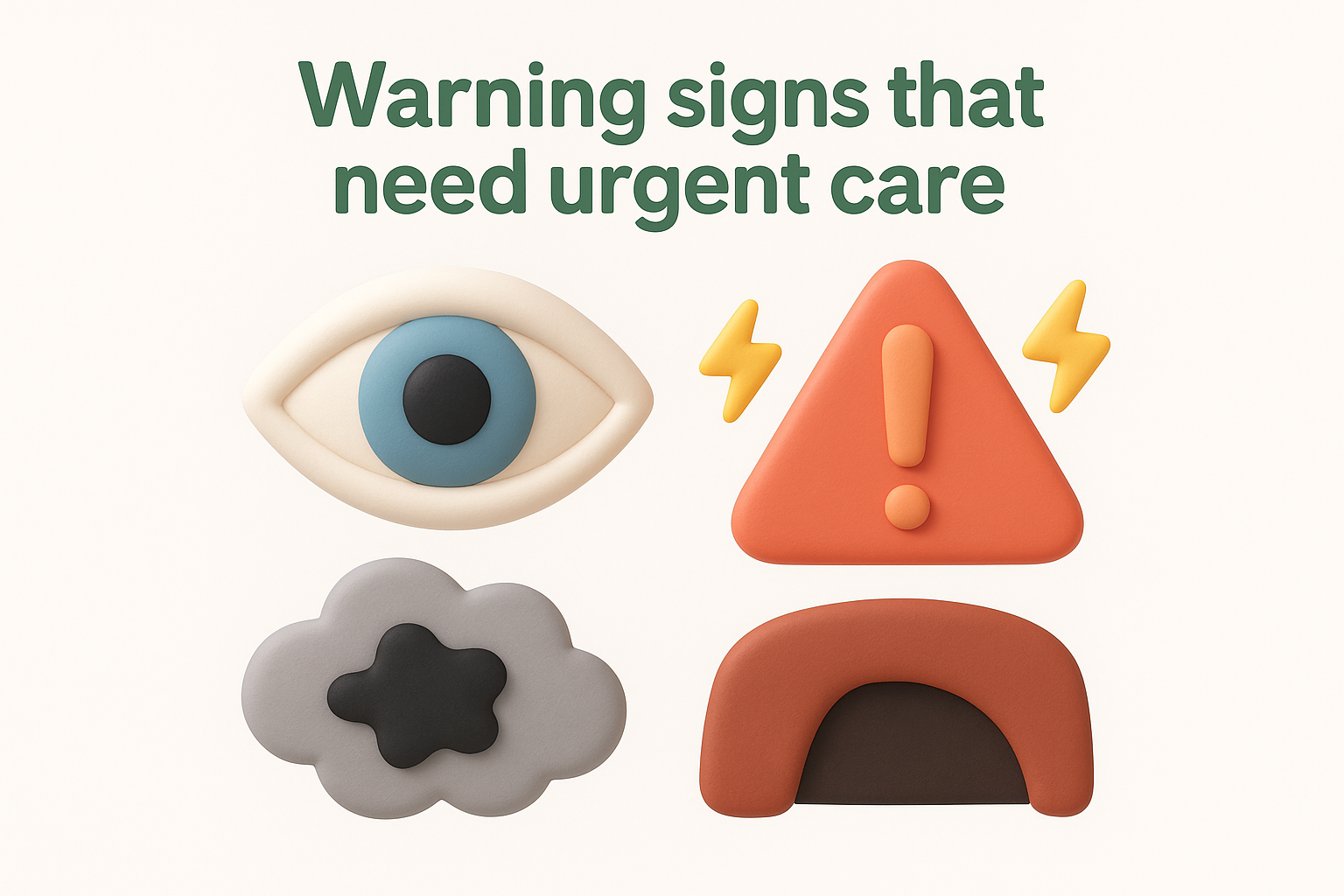
Warning signs that need urgent care
You need to distinguish between harmless floaters and symptoms that signal potential retinal damage. Certain warning signs indicate your retina may be tearing or detaching, which requires immediate medical attention to prevent permanent vision loss.
Immediate symptoms requiring emergency care
A sudden shower of new floaters appearing within hours, especially when accompanied by flashes of light, suggests possible retinal tear. These flashes often appear in your peripheral vision and resemble lightning bolts or camera flashes, occurring even when your eyes are closed. If you notice a dark curtain or shadow spreading across your field of vision from any direction, this strongly indicates retinal detachment already in progress.
Any sudden increase in floaters combined with flashes or vision loss requires same-day assessment by an eye specialist.
You should seek emergency care if your vision becomes noticeably darker or blurred in one eye, particularly if this happens alongside the other symptoms. These changes can develop rapidly, sometimes within hours.
Signs requiring prompt attention
Even without dramatic symptoms, a sudden appearance of a new black spot in my eye or a significant increase in existing floaters warrants an examination within 24 hours. Your eye specialist can determine whether your vitreous is simply aging normally or whether intervention is needed to prevent complications.
How an eye specialist finds the cause
Your eye specialist uses specialised equipment and a systematic examination to determine exactly what’s causing that black spot in my eye. This process typically begins with a detailed discussion about when the spots appeared, how they behave, and what other symptoms you’ve noticed. The timing and pattern of your symptoms provide crucial clues about whether you’re experiencing normal floaters or something requiring immediate treatment.
The dilated eye examination
The cornerstone of diagnosing any visual disturbance is a dilated fundus examination. Your specialist applies eye drops that widen your pupils, allowing them to examine your entire retina, including the peripheral areas where tears often begin. Using a specialised lens and bright light, they can identify any holes, tears, or areas where the retina has detached from the underlying tissue.
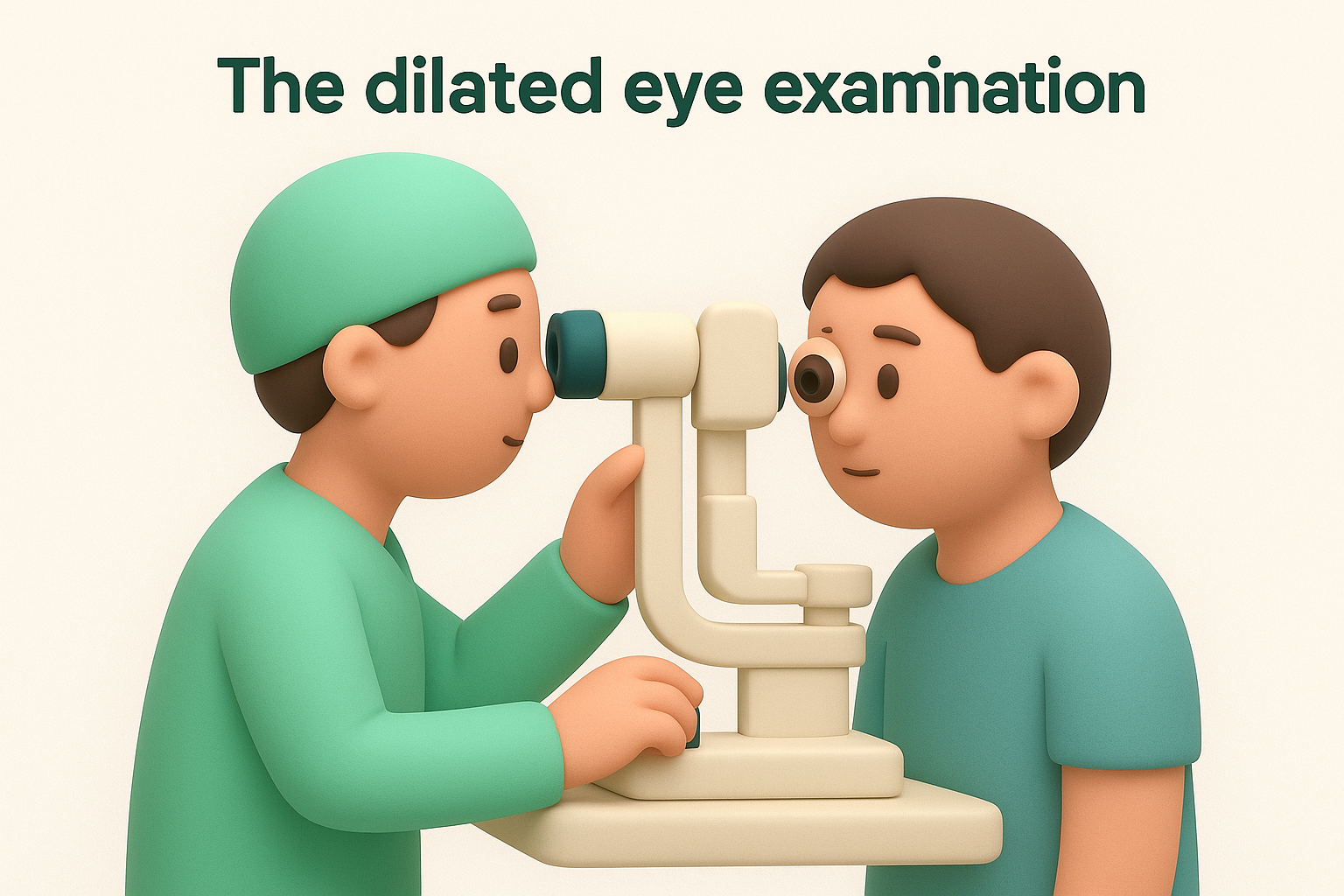
This examination also reveals whether you have a posterior vitreous detachment, which commonly causes floaters but doesn’t always require treatment. Your specialist can see the vitreous strands or clumps casting shadows on your retina.
A dilated examination allows your specialist to see the entire retina and identify problems before they cause permanent damage.
Additional imaging when needed
In some cases, your specialist may request optical coherence tomography (OCT) to create detailed cross-sectional images of your retina. This technology helps identify subtle changes in the retinal layers that might not be visible during a standard examination.
Treatment options for floaters and other causes
Your treatment depends entirely on what’s causing that black spot in my eye and how severely it affects your vision. Most benign floaters require no medical intervention, while retinal tears or detachment demand immediate surgical repair to prevent permanent sight loss.
When floaters need no treatment
Many people learn to adapt to harmless floaters over time as their brain gradually filters them out. Your specialist will typically recommend observation only if your floaters result from normal vitreous aging and aren’t increasing in number or size. Moving your eyes up and down can shift floaters out of your central vision when they become distracting during reading or computer work.
Most benign floaters become less noticeable within weeks as your brain adapts to their presence.
Procedures for problematic floaters or retinal damage
Your specialist may suggest laser vitreolysis for persistent, bothersome floaters that significantly impair your vision. This procedure uses targeted laser pulses to break up larger floaters into smaller, less noticeable fragments. When floaters stem from retinal tears, your specialist will perform laser photocoagulation or cryotherapy to seal the tear and prevent detachment. Established retinal detachment requires vitrectomy surgery, where your surgeon removes the vitreous gel and reattaches the retina using gas bubbles or silicone oil.

A simple plan for what to do next
If you’ve just noticed a black spot in my eye for the first time, observe it for a few minutes against a light background to see if it drifts and moves like a typical floater. When the spot appeared suddenly, particularly within the last 24 hours, or if you’re experiencing flashes of light or any vision loss, contact an eye specialist immediately for same-day assessment.
For longstanding floaters that haven’t changed, schedule a routine dilated eye examination to confirm they’re harmless. Keep track of any new spots or changes in existing ones, as sudden increases warrant prompt evaluation even without other symptoms.
Your vision deserves professional assessment whenever uncertainty exists. At Bright Sight Eye Specialists, Dr Rahul Dubey and Dr Capucine Odouard provide thorough examinations to determine the cause of your visual symptoms and recommend appropriate treatment when needed. Book a consultation to discuss your eye health concerns and receive personalised care from our experienced team in Randwick, Sydney.