


Those black moving spots in vision you’re noticing are called eye floaters. They’re tiny clumps of cells or protein that drift through the clear jelly inside your eye. When light passes through your eye, these floating bits cast shadows on your retina. You see those shadows as dark specks, squiggly lines, or cobweb shapes that seem to move when you try to focus on them. Most floaters are harmless and become more common as you get older.
This article explains what causes floaters, when they signal a serious problem, and what you can do about them. You’ll learn which symptoms need urgent medical attention and which ones you can safely monitor at home. We’ll also cover how eye specialists diagnose floaters, what treatment options exist, and practical ways to protect your vision. By the end, you’ll know exactly when to book an appointment and how to manage floaters that aren’t going away.
Why black moving spots in vision matter
Your eyes give you critical warnings when something goes wrong. Black moving spots in vision might seem like a minor annoyance, but they can signal anything from normal ageing to vision-threatening emergencies. Understanding the difference between harmless floaters and dangerous ones helps you respond appropriately and protect your sight for the long term.

When floaters become urgent
Most floaters develop slowly over years and pose no danger to your vision. However, sudden onset of many new floaters, especially when combined with flashes of light or a shadow in your peripheral vision, can mean your retina is tearing or detaching. Your retina has no pain receptors, so these visual symptoms are your only warning. Without emergency treatment within hours or days, retinal detachment causes permanent vision loss in that eye. Spotting the warning signs early makes the difference between saving your sight and losing it permanently.
Early detection of retinal problems can prevent blindness, making it vital to know when floaters need immediate medical attention.
How to respond when you see black moving spots
Your first step is to stop what you’re doing and assess the situation calmly. Note how many floaters you see, whether they appeared suddenly or gradually, and if you’re experiencing any other visual changes. This information helps you decide whether you need immediate medical attention or can schedule a routine appointment. Taking a few moments to observe your symptoms properly gives your eye specialist the details they need to diagnose the problem accurately.
Assess the situation quickly
Check both eyes separately by covering one at a time. Look for flashes of light, which appear as brief streaks or lightning bolts in your peripheral vision. Also notice if you see a dark curtain or shadow blocking part of your view. Count roughly how many new floaters you see compared to what you normally experience. Write down when the symptoms started and whether they’re getting worse. This quick self-assessment takes less than two minutes but provides crucial information for medical professionals.
Get emergency care when needed
You need urgent evaluation within 24 hours if you suddenly see many new floaters, experience repeated light flashes, or notice any shadow in your peripheral vision. These symptoms suggest possible retinal tear or detachment, which requires immediate treatment. Contact your eye specialist’s emergency line or visit an emergency department with eye care facilities. Don’t wait for your regular optometrist’s opening hours when you have these warning signs, as delays can result in permanent vision loss.
Retinal detachment is painless but time-critical, making rapid medical assessment essential when warning symptoms appear.
Common causes of black moving spots
Black moving spots in vision stem from several different conditions, ranging from harmless age-related changes to serious retinal problems. Understanding which cause applies to your situation helps you respond appropriately and seek care at the right time. The vitreous gel inside your eye plays a central role in most cases, whether through normal aging or disease-related changes.
Natural ageing and vitreous changes
Your eyes contain a clear, jelly-like substance called the vitreous that fills the space between your lens and retina. As you age, this gel gradually liquefies and shrinks away from the retina in a process called posterior vitreous detachment. This natural change typically occurs after age 50 and affects nearly everyone eventually. When the vitreous contracts, tiny collagen fibres within it clump together and cast shadows on your retina. You see these shadows as floating dots, threads, or cobwebs that drift when you move your eyes.

The vitreous changes happen slowly over months or years in most people. Nearsightedness accelerates this process, causing floaters to appear earlier in life. Previous eye surgery, particularly cataract operations, also speeds up vitreous shrinkage. While these age-related floaters feel annoying, they pose no danger to your vision and don’t require treatment.
Most floaters result from natural ageing of the vitreous gel and pose no threat to your eyesight.
Serious retinal complications
Retinal tears occur when the shrinking vitreous tugs hard enough on your retina to rip it. This tear allows fluid to seep underneath, potentially causing retinal detachment where your retina lifts away from its supporting tissue. You’ll notice a sudden shower of new floaters, repeated light flashes, and often a dark shadow spreading across your vision. These symptoms demand emergency treatment within hours.
Diabetic retinopathy causes bleeding inside your eye when damaged blood vessels leak. The red blood cells appear as dark floaters that multiply rapidly. High blood pressure can also trigger retinal bleeding. Both conditions need prompt medical assessment to prevent permanent vision loss.
Inflammatory and other causes
Posterior uveitis inflames the back portion of your eye, releasing inflammatory cells that float through the vitreous. You’ll see floaters accompanied by eye pain, redness, and light sensitivity. Infections, autoimmune disorders, and inflammatory diseases all trigger this condition. Treatment with anti-inflammatory medication usually resolves both the inflammation and the associated floaters.
Certain eye surgeries introduce air bubbles or silicone oil into your vitreous that appear as floaters. These typically absorb over time as your eye heals. Eye injuries can also release blood or inflammatory cells that create temporary floaters until the damage repairs itself.
Diagnosis and treatment options
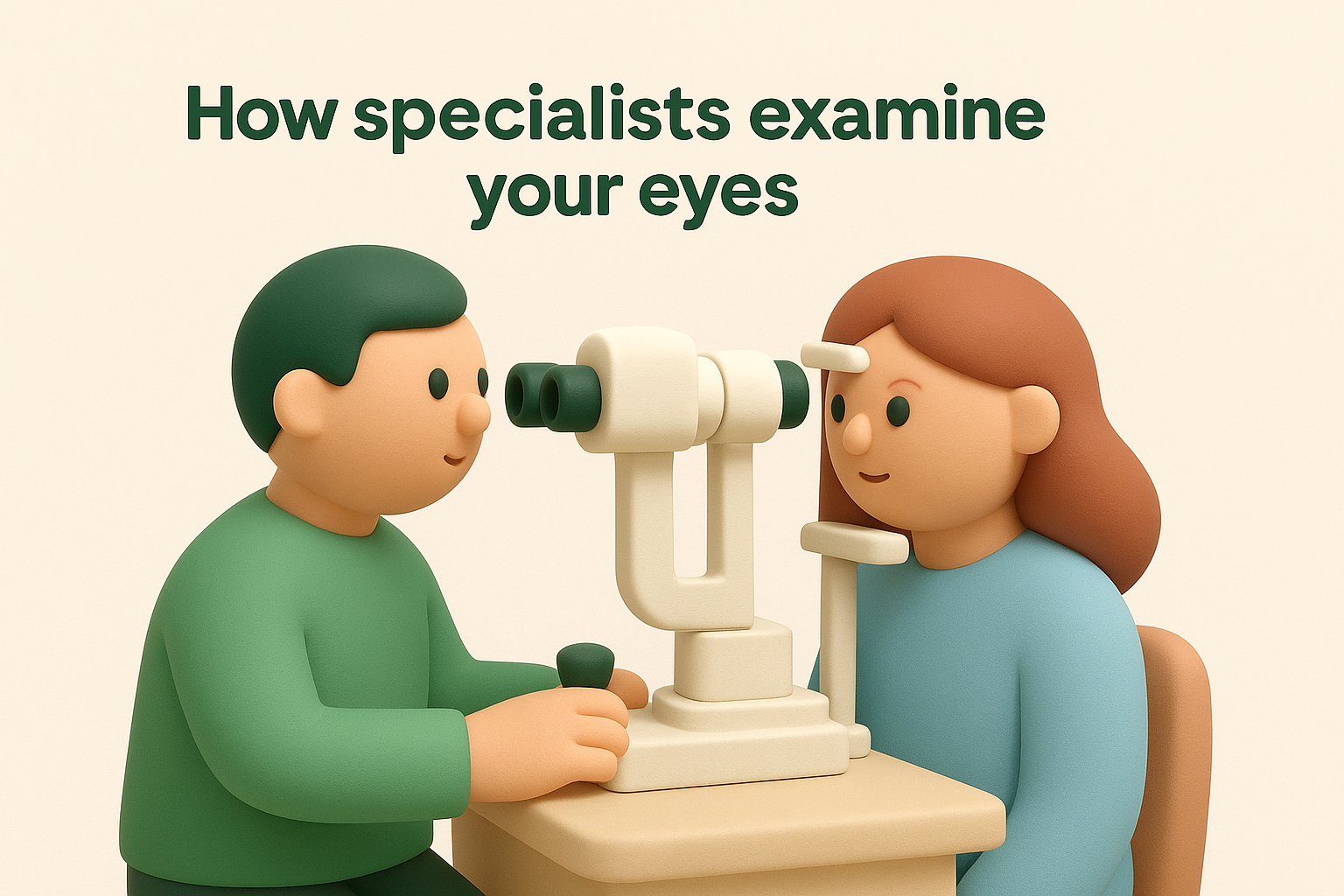
Your eye specialist diagnoses black moving spots in vision through a comprehensive dilated eye examination. They place drops in your eyes to widen your pupils, allowing them to see clearly through to your retina and vitreous. The specialist uses a slit lamp microscope and special lenses to examine the floaters themselves, check for retinal tears, and assess whether your retina remains properly attached. This examination takes 30 to 45 minutes, and your vision stays blurred for several hours afterwards due to the dilating drops.
How specialists examine your eyes
During your appointment, the ophthalmologist asks detailed questions about when your floaters started, how many you see, and whether you’ve noticed light flashes or vision loss. They test your visual acuity and check your eye pressure before dilating your pupils. After dilation, they examine the back of each eye using bright lights and magnifying lenses. The specialist looks specifically for vitreous haemorrhage, retinal tears, inflammation, or signs of detachment. If they find anything concerning, they may order additional imaging tests such as optical coherence tomography (OCT) to create detailed cross-sectional images of your retina.
Treatment approaches for floaters
Most harmless floaters require no medical treatment at all. Your brain gradually adapts to seeing them, making them less noticeable over time. The floaters remain in your eye but drift away from your central vision. Your specialist recommends regular monitoring through annual eye examinations to ensure no new problems develop.
For severe floaters that significantly impair your vision, two treatment options exist. Vitrectomy surgery removes the vitreous gel containing the floaters and replaces it with a clear solution. This operation carries risks including cataracts, retinal detachment, and infection, so specialists reserve it for truly disabling cases. Laser vitreolysis uses targeted laser pulses to break up larger floaters into smaller pieces that become less noticeable. This procedure works best for specific types of floaters and isn’t suitable for everyone.
Vitrectomy effectively removes floaters but carries significant surgical risks, making observation the preferred approach for most patients.
Living with floaters and protecting your sight
Most people learn to live comfortably with harmless eye floaters over time. Your brain develops the ability to ignore these black moving spots in vision, filtering them out within weeks or months. Understanding how to adapt while protecting your eyes helps you maintain good vision for life.
Adapting to persistent floaters
You can reduce the impact of floaters through simple adjustments. Move your eyes in different directions to shift floaters out of your central vision when they become distracting. Work in well-lit environments, as bright lighting makes floaters less noticeable. Avoid looking at plain bright backgrounds like white walls or clear skies, which make floaters more visible. These strategies help you function normally while your brain adjusts.
Regular monitoring and prevention
Schedule annual eye examinations to catch problems early. Control your blood sugar if you have diabetes, and manage high blood pressure through medication and lifestyle changes. These measures reduce your risk of developing dangerous floaters from bleeding or retinal damage. Protect your eyes from injury by wearing safety glasses during sports or hazardous activities.
Regular eye examinations detect vision-threatening problems before they cause permanent damage, making prevention your best defence.

What to do next
You now understand what black moving spots in vision are, when they signal danger, and how specialists diagnose and treat them. Most floaters remain harmless and fade from your awareness over time, while sudden changes demand urgent medical attention. Your response to these visual symptoms directly affects your long-term vision health.
Book an eye examination if you’ve developed new floaters recently, even if they seem mild. Your optometrist performs initial screening and refers you to a specialist when needed. Schedule an emergency appointment within 24 hours if you experience sudden floaters, light flashes, or vision loss. These warning signs require immediate specialist evaluation to rule out retinal tears or detachment.
Protect your vision through regular monitoring and prompt action when symptoms change. Bright Sight Eye Specialists provides comprehensive retinal examinations and advanced treatment for floaters and retinal conditions. Dr Rahul Dubey offers transparent pricing and expert care in the Eastern Suburbs of Sydney, helping you maintain healthy vision throughout your life.